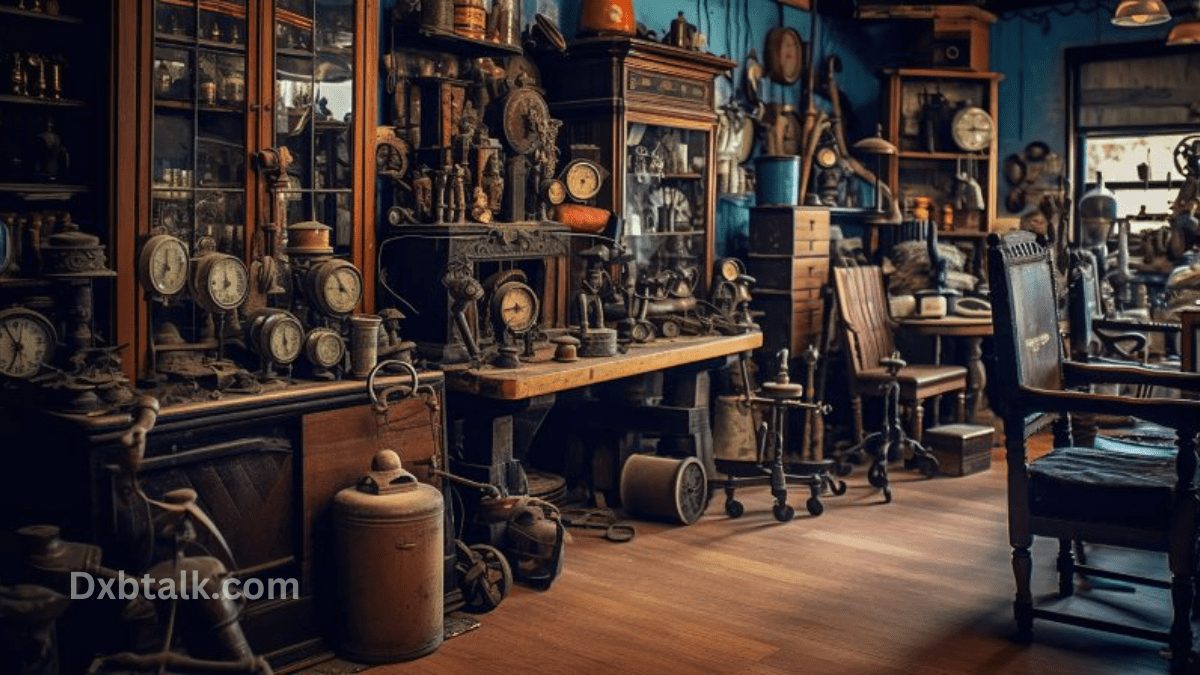
Dubai’s antique scene is the city’s best-kept retail secret — precisely because it contradicts the brand. Behind the malls and the marble, a trade in old things flourishes: Emirati heritage pieces, Persian carpets, colonial furniture, brass, glass and jewellery with pasts. This guide is the hunter’s map — where the antiques concentrate, what each hunting ground yields, and how to shop them like someone who intends to find treasure rather than souvenirs.
The Warehouse of Wonders: Al Quoz
Start at the Antique Museum in Al Quoz — which is not a museum but one of the great antique warehouses of the region, a sprawling Al Quoz space stacked with handcrafted furniture, vintage jewellery, decorative pieces and curiosities sourced from across the world. Budget hours, not minutes: the stock is dense, the aisles wander, and the best pieces hide behind the merely interesting ones. This is the first stop for furnishing a home with history, and the benchmark against which the city’s other antique prices get measured.
The Souks of the Old City
Deira and Bur Dubai hold the traditional hunting grounds. In and around the souks — gold, spice, textile and the covered lanes between them — small shops and stalls carry the portable past: brass ornaments and coffee pots, vintage tea sets, antique textiles, daggers, coins and the layered stock of a trading port that has been absorbing the world’s goods for a century and a half. The hunting style here is the souk’s own: slow walking, repeat passes, conversation with the shopkeeper as a research method, and bargaining as the expected final chapter of every transaction.
📸 Follow @dxbtalk1 on Instagram for daily Dubai in photos →
Heritage and Design Districts
The Al Fahidi Historical Neighbourhood adds context to the hunt — wind-tower lanes where small shops sell artifacts, vintage pottery and traditional Emirati pieces in the very streetscape those pieces came from; buy the history lesson with the object. At the polished end, Dubai Design District (d3) hosts the pop-up and gallery version — vintage finds and antique pieces surfacing in design events and curated shops, old-world objects framed by contemporary taste. Between Al Fahidi’s authenticity and d3’s curation, the collector gets both ends of the market’s personality.
What to Hunt, and How to Judge It
The Long Game: Buying to Keep
A last word on approach, because the antique trade rewards a temperament. Buy the best example you can afford rather than three lesser ones; condition and authenticity compound in value while compromise merely accumulates. In the souks, let the bargaining be warm — the discount matters less than the relationship, and a shopkeeper who likes you mentions the next arrival before it is displayed. At home, antiques ask little: keep old wood out of direct desert sun, let rugs breathe, and resist the urge to over-restore, because the patina you polish away was the point. Dubai will always sell you the future more loudly. The antique shops are where it whispers the alternative — objects that have already survived one century and are priced accordingly.
The categories that reward Dubai hunters: furniture with presence — chests, chairs and tables in solid old timber; jewellery, from traditional Emirati gold work to vintage ornaments; textiles, above all Persian rugs and handmade fabrics; and the collectables — coins, stamps, old maps, ceramics and rare books, small objects carrying whole histories. Judge with the classic four checks: provenance (ask the item’s story and expect an answer), craftsmanship (hand-made irregularity is a good sign), materials (solid wood, genuine metal, real stone), and wear (honest age shows as character, not damage). Add two Dubai specifics: negotiate as a norm, especially in the souks, and check export rules before falling for a piece of protected cultural heritage. Then take it home and do what antiques are for — let a room with a past improve a city famous for having none.
Beginners often ask where the safest first purchase lives. The answer, veterans agree, is textiles — a rug or a length of antique fabric shows its age honestly, forgives a novice’s judgement, and changes a room more per dirham than any furniture gamble. Start there, learn the souks’ rhythm, and let the collection grow at the speed of your eye.