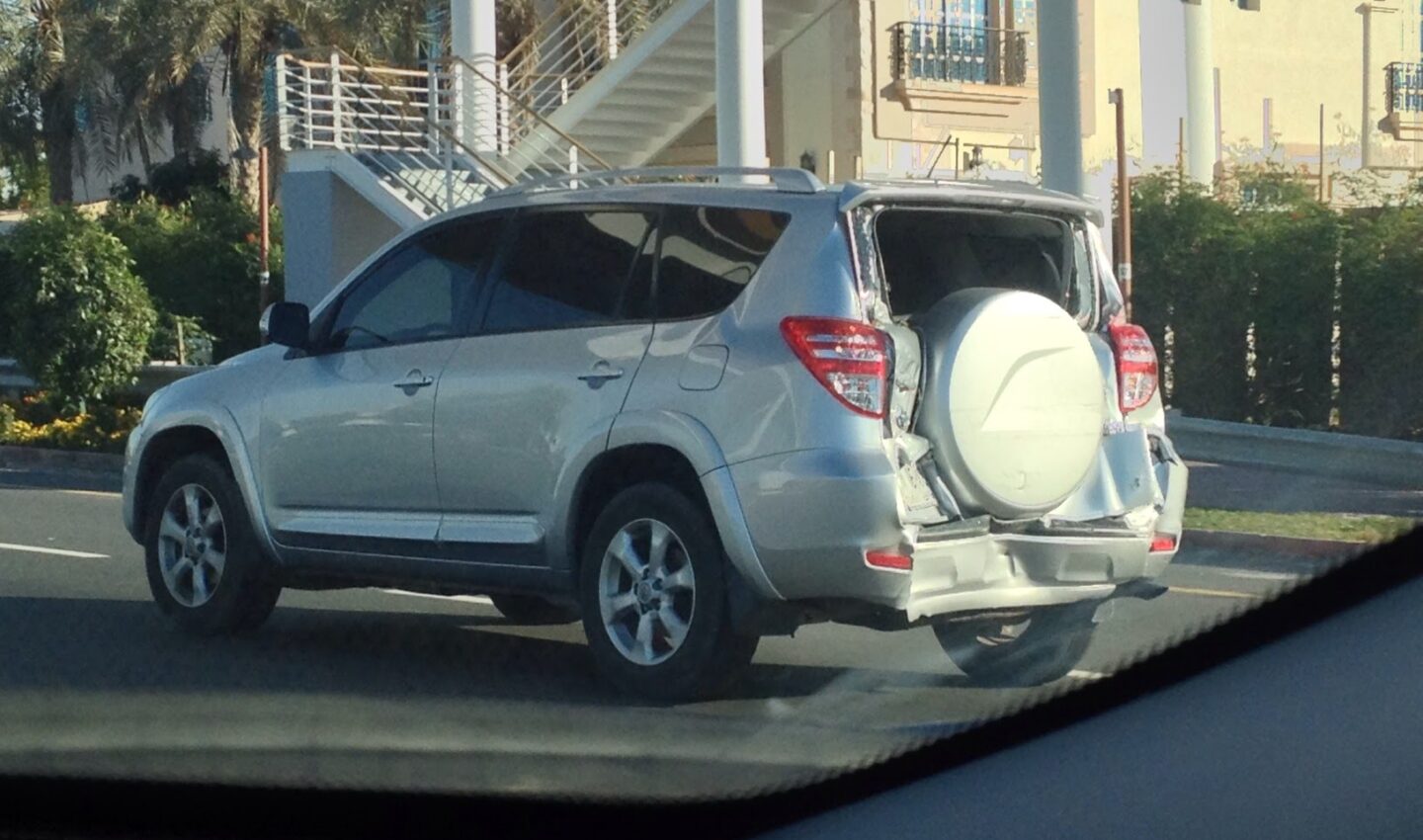
Every summer, thousands of Dubai residents fly home for a month or more and leave a car behind to sit through the worst of the heat. A parked car in a Dubai summer is not resting; it is enduring. Cabin temperatures in a closed car can climb far beyond the day’s peak, tyres flatten where they touch the ground, batteries fade, rubber dries, and the car you return to in September can be a very different machine from the one you locked in July. Stored properly, though, a car shrugs off a summer. This guide is the proper way, step by step.
Decide Where It Sleeps
The single biggest variable is the parking itself. Covered or basement parking transforms the storage equation, shielding the car from direct sun, the worst of the temperature cycling and the dust that settles like cement on outdoor cars. If indoor parking is genuinely unavailable, a quality breathable car cover is the next best thing, fitted snugly so wind does not turn it into sandpaper against the paintwork. Avoid cheap plastic covers that trap moisture against the body. Wherever it sleeps, park it clean: wash off salt, sand and bird lime before storage, because contaminants left on paint for six hot weeks do six months’ worth of damage, and a coat of wax adds a sacrificial layer.
The Battery and the Tyres: The Two Certainties
Two components will suffer in a parked car no matter what you do, so manage them deliberately. The battery self-discharges and is drained slowly by the car’s own systems; over a long, hot summer it can die completely, and a deeply discharged battery often never fully recovers. If someone trustworthy can start the car periodically, that helps, but the more reliable solutions are a battery maintainer on a trickle charge where power and permission allow, or disconnecting the battery for the duration and accepting a fresh charge, or replacement, on return. The tyres, meanwhile, develop flat spots where the weight rests, especially older tyres in high heat. Inflate them to the upper end of the recommended range before you leave, and if the storage is long and someone can roll the car a few metres every couple of weeks, the tyres will thank you. On return, expect a temporary vibration from flat spots that usually drives out within the first kilometres; if it does not, have the tyres inspected.
📸 Follow @dxbtalk1 on Instagram for daily Dubai in photos →
Fluids, Fuel and Rubber
Heat ages everything liquid and everything rubber. Check coolant level and condition before storage, because a marginal cooling system that copes in motion can weep quietly for weeks at rest. Engine oil left sitting is less of a concern over one summer, but a car due a service anyway is better serviced before storage than after, arriving home to clean oil rather than used. A fuller fuel tank leaves less room for condensation and is the conventional choice for storage. Windscreen wipers can bond to hot glass and tear on first use after weeks parked, a small thing that announces the larger truth: rubber in a Dubai summer is perishable. Window and door seals benefit from staying clean, and leaving windows closed, vents shut and the cabin sealed keeps out the dust, the humidity swings and the occasional insect colony that treats a stored car as real estate.
The Cabin: Where Summer Does Its Visible Damage
Interiors suffer most visibly. Dashboards crack, leather dries and fades, adhesives soften and headliners sag, all accelerated by the greenhouse heat of a sealed car in the sun. A windscreen sunshade is the cheapest insurance in this entire guide; seat covers and a steering wheel cover add protection where hands and bodies make contact. Remove everything that heat ruins or attracts trouble: food, aerosols, electronics with batteries, and anything scented that might invite pests. A moisture absorber inside the cabin fights the mildew smell that greets so many returning residents, particularly in humid spells. Arrive home, and air the car thoroughly before assuming the smell is permanent; it usually is not.
The Paperwork and the Return
Storage has an administrative side. Registration and insurance should remain valid across the storage period, particularly if the car will be driven the day you return; if renewal falls due while you are away, arrange it in advance through the usual RTA channels rather than discovering an expired registration at the airport road home. Note where the keys, documents and any battery maintainer instructions are, and leave a trusted person able to access the car in an emergency. On return, work a short recommissioning list before the first real drive: battery charged and tested, tyre pressures reset and inspected, fluid levels checked, brakes used gently for the first kilometres while surface rust clears, and a wash that removes six weeks of dust before it becomes six months of paint damage. Do the preparation and the summer becomes what it should be for your car too: a pause, not an injury.