

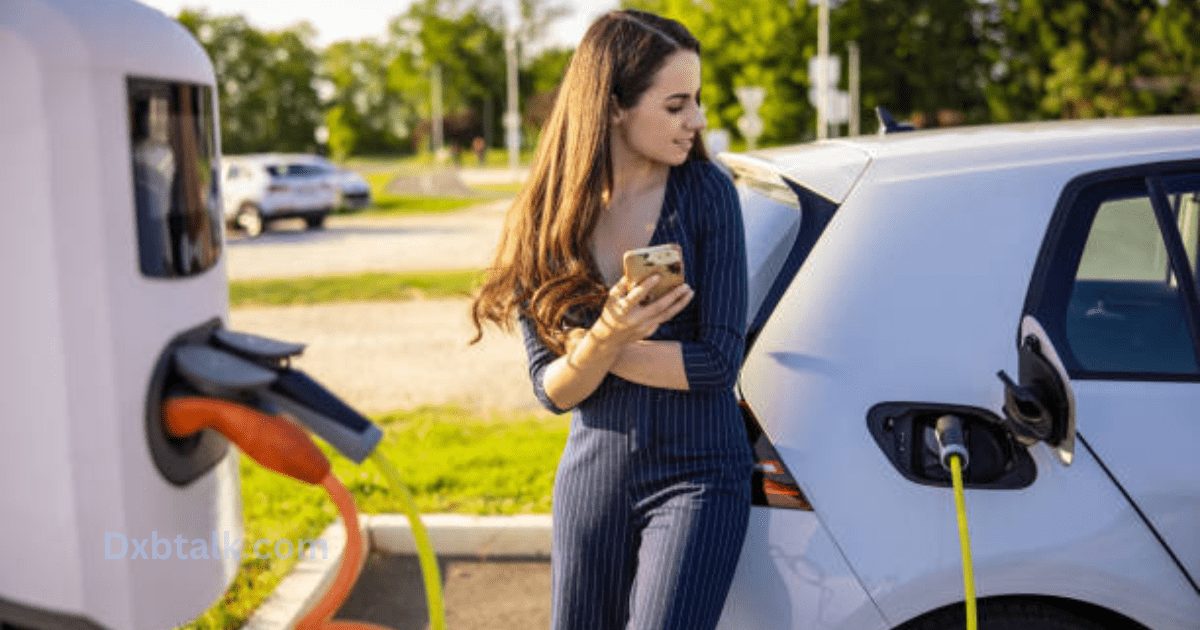
Dubai does not adopt car trends; it stages them. So when the world’s carmakers lined up their most ambitious electric models, the Emirates was always going to be a first showing — a wealthy, infrastructure-ready market that treats a new flagship like a film premiere. This is the electric wave as it was anticipated and as it has been landing: the ten models that defined the moment the EV went from niche to headline on Dubai’s roads.
The Spectacle Class
Tesla’s Cybertruck was engineered to stop traffic in a city that ignores supercars, and its angular, stainless exoskeleton did exactly that — the most argued-about arrival of the electric era, equally at home outside a JBR café or photographed against the dunes. Cadillac’s Lyriq brought American luxury into the electric age with bold design and serious range. Lucid’s Air Touring played the connoisseur’s card — elegance, an interior like a first-class cabin, and range figures that reset the segment’s expectations. These three are theatre, and Dubai buys theatre.
The German Flagships
Germany’s answer came as a fleet. BMW’s i7 turned the executive limousine silent — a boardroom on the road with the theatre screen to match. Mercedes-Benz’s EQS SUV wrapped the same idea for families who wanted the flagship experience with seven-seat practicality. Audi’s Q8 e-tron delivered the luxury SUV in its most understated form, and Porsche’s electric Macan carried the sports-car brief into the family segment without surrendering the badge’s meaning. For Dubai’s German-car loyalists — a constituency the size of a small nation — this class settled the question of whether electric could feel like an upgrade.
📸 Follow @dxbtalk1 on Instagram for daily Dubai in photos →
The Adventurers and the Mainstream
Rivian’s R1S aimed at the weekend the UAE actually has: electric torque, serious off-road engineering, and the desert-and-mountain brief written into its design — the EV as expedition vehicle. Nissan’s Ariya brought the technology down to earth, a stylish, driver-assisted crossover priced for the daily commute rather than the valet line. And Hyundai’s big electric SUV — previewed to the world as the Ioniq 7 concept and launched in production form as the Ioniq 9 — carried family practicality and futuristic design into the three-row class. Together the ten trace the market’s full spread: spectacle, flagship, adventure, mainstream.
Why Dubai Was Ready
The Infrastructure Underneath the Glamour
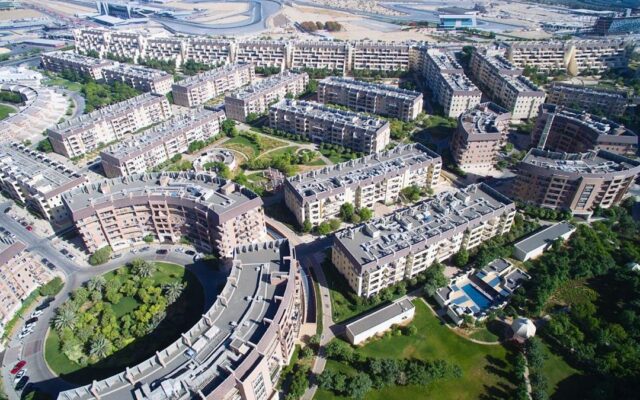
Flagships are only half an EV market; the other half is the unglamorous network that makes ownership ordinary. Dubai built it early: the public charging programme — DEWA’s Green Charger stations among them — spread charge points through government buildings, malls, hospitals and car parks, while developers wired home charging into new communities as standard. Ownership adapted to the climate with equal practicality: Gulf summers test batteries and air-conditioning loads, and the models that thrive here are those whose range figures survive August, a filter the local market now applies ruthlessly. Service networks, resale values and a growing used-EV layer have followed the chargers. That is why the arrival wave mattered — not because ten cars launched, but because they launched into a city that had already dug the trenches for them: power, parking, policy and a public ready to be impressed.
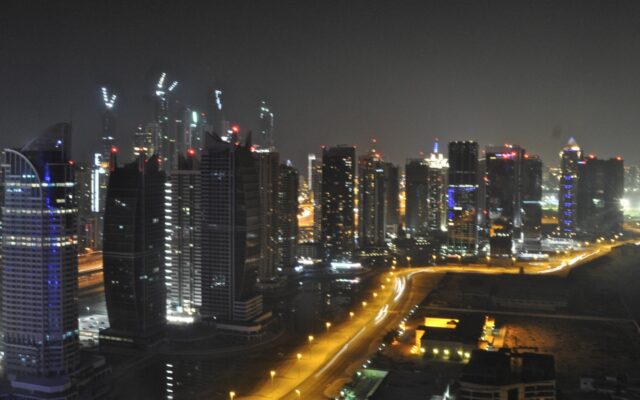
A launch wave needs a stage, and Dubai built one: a public charging network spread through malls, car parks and communities, green-salik and parking incentives in the EV story’s earlier chapters, and a buyer base that treats new technology as a status good rather than a risk. The result is visible on Sheikh Zayed Road any evening — the electric flagship has merged into the ordinary flow of the city’s motoring life, which is the true measure of a revolution. The anticipated models arrived; the anticipation now belongs to whatever replaces them.




Join the conversation