

Thinking about Dubai South? This guide looks at what living there is really like: the housing mix, how people get around, where they eat and shop, and who tends to be happiest there.
The area in short
Dubai South is a 145-square-kilometre master district in the far south-west of Dubai, built around Al Maktoum International Airport and the Expo City Dubai legacy site — closer to Abu Dhabi than to Downtown Dubai. It is a planned city of aviation, logistics and business zones plus residential districts: The Pulse, the most lived-in cluster of mid-rise apartments and townhouses; Emaar South, a golf community around an 18-hole championship course; and South Bay, with its lagoon. It suits first-time buyers, aviation and logistics workers, and anyone who wants space for their money and can live beside building sites.
The pros
Space for your money. Dubai South is one of the most affordable freehold zones in Dubai — one-bedroom rents start near AED 40,000 a year — with apartments, townhouses and villas at roughly half the price per square foot of Downtown. The Pulse is the most lived-in part: a walkable, family-oriented cluster with a central boulevard, retail and parks, and more than 1,400 apartments and 240 townhouses handed over there by early 2022.
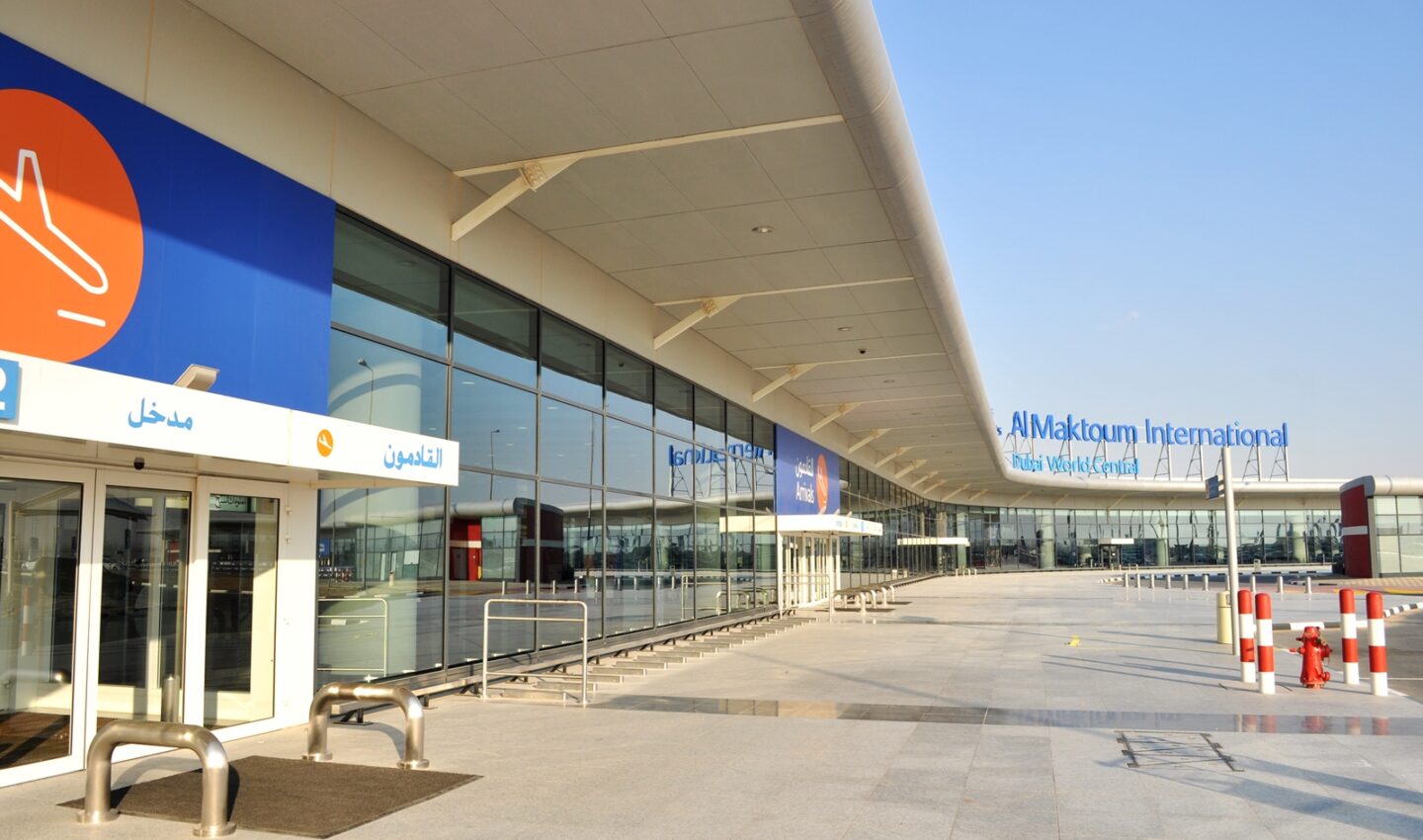
The airport and Expo City are the neighbours. Al Maktoum International Airport sits inside the district — it opened to passengers in October 2013 — and Expo City Dubai, the former Expo 2020 site, is next door, with its parks, pavilions and year-round events programme. The airport’s AED 128 billion expansion, to an eventual 260-million-passenger capacity, is the long-term story here, with its first phase on course to open in 2032.
A real, lived-in community already. A Lulu hypermarket opened in March 2023, GEMS Founders School opened in August 2024, and parks, sports courts, a mosque and a petrol station are open. The district has over 25,000 residents by the developer’s count, and it registered more home sales in the year to August 2026 than any other area in Dubai.
📸 Follow @dxbtalk1 on Instagram for daily Dubai in photos →
The cons
The commute is the trade-off. Downtown and DIFC are 40 to 55 minutes away in normal traffic, and there is no metro station inside the residential districts. The principal metro access is Expo 2020 station on the Red Line’s Route 2020 branch, 19 to 22 kilometres away by road, reached by the DS1 bus. The RTA is studying a metro extension towards Al Maktoum Airport, but no opening date has been announced — and the Blue Line opening in 2029 does not serve Dubai South.
Still a building site. This is a district under construction, with project dates running into 2029 and 2030. You will still drive for hospitals, big malls and most of the city — the district’s first mall, South Bay Mall, is announced but has no opening date — and the sub-communities differ sharply in price, home type and handover stage, so compare like with like.
Not walkable yet. If you want walkable cafes, a metro at your door or a finished neighbourhood, wait or look elsewhere. Daily life here is car-based, and the area’s character today is quiet and spread out rather than busy and social.
Getting around
By car, on Sheikh Mohammed Bin Zayed Road (E311) and Emirates Road (E611). The DS1 bus runs from Expo City to Dubai South, and Expo 2020 station is the metro link — about 19 to 22 kilometres away. Dubai Investments Park is 18 minutes’ drive, and its bus station connects onward to the rest of the city. A metro extension to the airport is at study stage, not under construction.
Eating out
Dubai South eats close to home and at Expo City. The Pulse has its own small retail and cafes, the Lulu hypermarket covers the weekly shop, and Expo City Dubai — a short drive away — adds restaurants, cafes and its events programme. For a big mall or a wide restaurant choice, residents drive to Dubai Investments Park, Jebel Ali or the Marina.
Who it suits
Dubai South suits first-time buyers, aviation and logistics workers who want a short drive to the airport or Expo City, and long-horizon investors comfortable with a five-to-ten-year story. It suits people less well if they need a short city-centre commute today, a metro at the door, or a fully mature, walkable neighbourhood right now. If space for your money and the airport’s future are the priorities, this is where Dubai is growing next.




