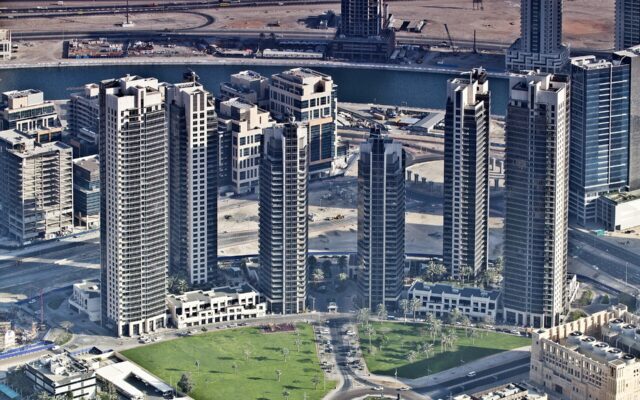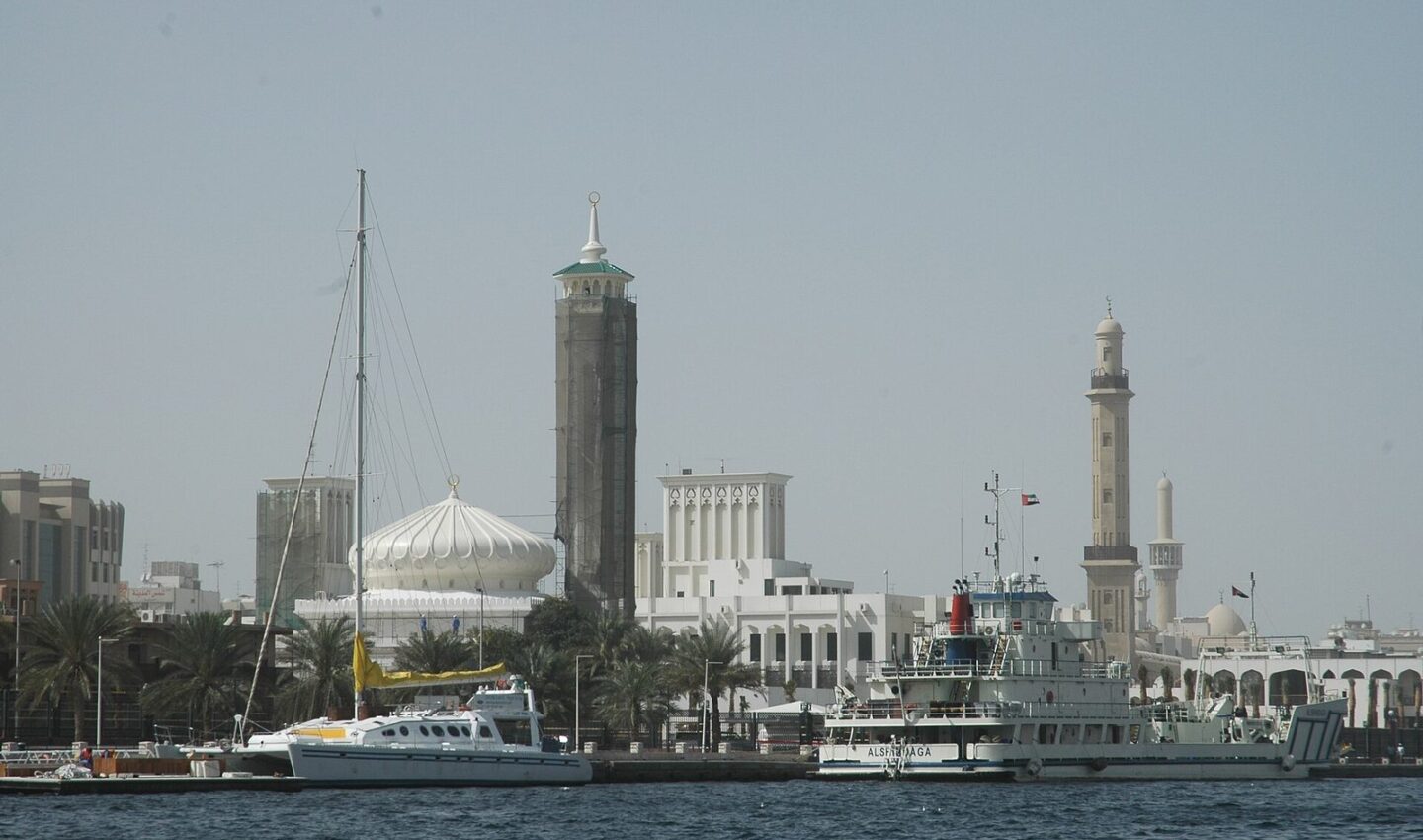
Dubai’s cheapest rentals are not found by luck — they are found by knowing which districts sit at the affordable end of the market, how to read the big property portals properly, and how to check any asking price against the official RERA rental index. Rents move up and down by area and season, so treat this as a method rather than a price list: follow it today and you will find the current bargains wherever they happen to be.
The areas that are usually at the affordable end
District prices shift over time, but the structure of Dubai’s market is stable: the further you are from the coast, the Metro spine and the big employment hubs, the less you generally pay. These areas are consistently among the more affordable starting points — always verify today’s listings rather than assuming:
- International City: A large, low-rise community built around country-themed clusters; historically one of the lowest-rent districts in Dubai, popular with singles and couples.
- Dubai Production City (IMPZ) and Dubai Sports City: Mid-rise apartment areas inland, often priced below the coastal districts while still feeling established.
- Jumeirah Village Circle (JVC): A huge supply of newer apartments keeps prices competitive; heavy supply means landlords compete, which helps tenants.
- Al Warsan, Dubai South and Dubailand communities: Newer districts near the Al Maktoum airport side of the city; growing fast, with prices reflecting their distance from the old centre.
- Deira and Bur Dubai pockets: The older side of the Creek has some of the city’s best-value flats, with superb food, transport and character — buildings are older, so inspect carefully.
- Al Nahda, Muhaisnah and Al Qusais: Long-standing residential districts near the Sharjah border; good value, but factor in cross-emirate traffic if you work in Dubai.
- Discovery Gardens and Al Furjan: Low-rise communities near Ibn Battuta, often cheaper than neighbouring JLT and Marina.
- Dubai Silicon Oasis: A self-contained tech community with family housing at moderate price points.
Step 1: Search the portals like a local
Most Dubai rentals are listed on Property Finder and Bayut (which also owns Dubizzle). Search them by district, then sort by price — but learn these filters and habits:
- Search by annual rent and check how many cheques the price assumes; a lower headline price may require one cheque.
- Compare price per square foot across similar buildings — listings for the same building often differ wildly between agents.
- Watch for chiller-free or bills-included notes; district cooling bills in some buildings can quietly erase a cheap rent’s advantage.
- Save searches and set alerts. Good-value units in popular buildings move within days.
- Ignore anything dramatically below the area’s going rate until you have verified the agent and the property — scams exist, and a deal that looks impossible usually is.
📸 Follow @dxbtalk1 on Instagram for daily Dubai in photos →
Step 2: Check every price against the RERA rental index
The single most useful tool is the official one. The Dubai Land Department publishes the RERA rental index (available through the Dubai Land Department and Dubai REST channels), which shows the official indicative rent range for your district, property type and bedroom count. Use it two ways: first, to sanity-check whether an asking price is in a fair range at all; second, as evidence when you negotiate. If a landlord’s price is far above the index range for comparable homes, you have an official basis for your offer rather than just an opinion.
Step 3: Cut the true cost, not just the rent
- Cheques: Offering fewer cheques (one or two instead of four or twelve) is the classic Dubai discount lever — landlords value certainty.
- Move-in fees: Add the Ejari registration, agency commission and the DEWA (utility) deposit to your comparison; they can differ between options.
- Cooling: Ask whether cooling is included (“chiller free”) or billed separately, and ask existing tenants what summer bills look like.
- Commute cost: A cheaper flat an hour from work costs money and life. Price the Salik tolls, fuel or Metro time into the comparison.
- Older stock: A slightly older building in a good district often beats a shiny new build further out on both price and convenience.
Step 4: Verify before you pay anything
Only deal with RERA-registered agents (ask for their broker card), never transfer money to a personal account, and make sure your contract is registered through Ejari once signed. Visit the unit, check the AC actually cools, run the taps, and confirm who pays for maintenance above minor repairs — the contract should say so.
The trade-offs to weigh honestly
Cheaper districts ask something of you in return, and it is better to price that in from the start. Distance is the obvious one: an inland community can add serious time to a Sheikh Zayed Road commute, and heavy Salik and fuel costs narrow the saving. Older districts trade modern finishes for character and transport links — check water pressure, AC condition and maintenance quality in person, because building upkeep varies more in older stock. Newer outlying communities offer fresh buildings and facilities but may still be waiting on supermarkets, schools and clinics to open, so visit at different times of day and check what is actually operating, not just promised on a masterplan billboard. None of these trade-offs is a deal-breaker; all of them are reasons to compare total cost and daily life, not rent alone.
The bottom line
Right now, the cheapest genuine rentals in Dubai will be somewhere in the districts above, listed on the big portals, priced below their building’s average — and the RERA rental index is how you prove it before you negotiate. Do the comparison properly and you will rarely need luck to find a good-value home here.