A helicopter sightseeing flight is the fastest way to understand Dubai’s shape: in a single short flight you can see the Palm Jumeirah’s fronds laid out below you, the curve of the coastline, the Creek cutting through the old city and the Burj Khalifa rising above everything. Flights are short, smooth and heavily focused on views, which makes them a memorable treat for a special occasion or a first visit rather than a thrill ride.
What a Sightseeing Flight Actually Involves
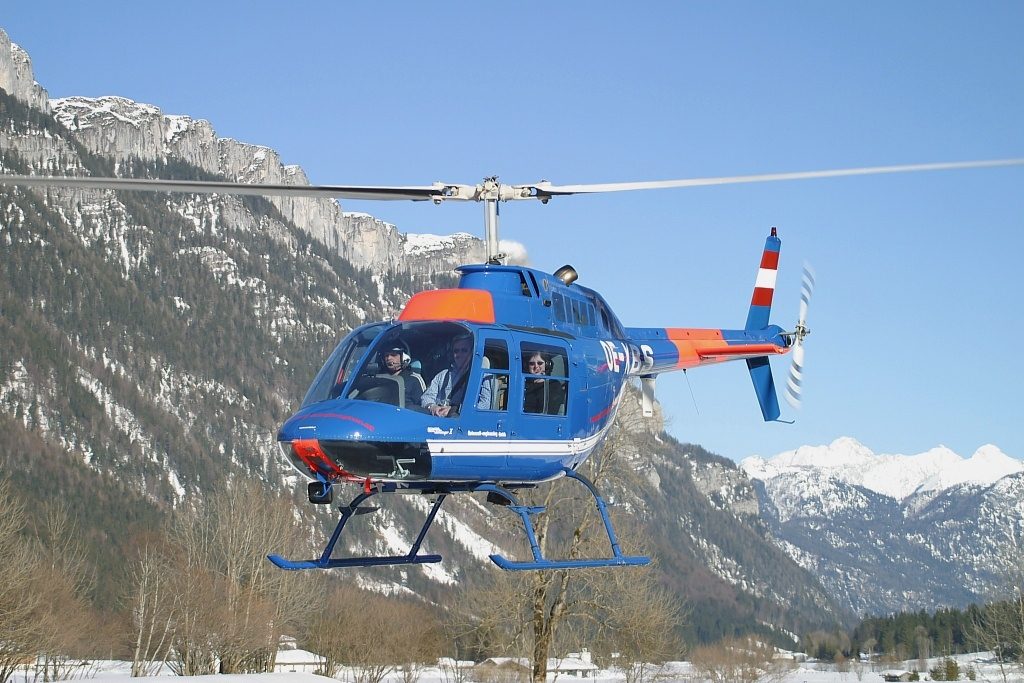
Sightseeing helicopters operate from dedicated helipads, most famously at Atlantis, The Palm and near the Marina and Festival City areas. You arrive well before your slot for check-in and a safety briefing, are weighed discreetly (weight balance matters in a small aircraft), and are assigned a seat. Flights are usually shared with a small group unless you charter the whole aircraft privately.
Typical sightseeing routes last between roughly 12 and 45 minutes depending on the package. Shorter flights circle Palm Jumeirah, the Burj Al Arab and the World Islands; longer ones add Downtown Dubai and the Burj Khalifa, the Creek and the old town, and sometimes the desert edge. The pilot or a recorded narration points out landmarks as you fly, and the large windows mean everyone gets a good view — though the middle rear seats are naturally a little more restricted.
Booking, Documents and Rules
Book directly through the operator’s official website and read the conditions carefully, because rules are strict and flights are weather-dependent:
- Bring photo ID. Passengers are normally required to show a passport or Emirates ID matching the booking name at check-in.
- Arrive early. Operators typically ask you to check in 30–45 minutes before departure; late arrivals can lose their slot without a refund.
- Children and health. Very young children may not be permitted, and pregnant passengers or those with certain medical conditions may be restricted — confirm the operator’s current policy when booking.
- Cameras and phones. Loose items are controlled for safety; some operators allow phones but not large cameras or selfie sticks. Follow the crew’s instructions exactly.
- Weather cancellations. Haze, wind or low visibility can delay or cancel flights. Keep your schedule flexible on flight day and know the rebooking policy in advance.
📸 Follow @dxbtalk1 on Instagram for daily Dubai in photos →
Choosing the Right Flight Length
For most first-timers, a mid-length flight of around 17–25 minutes is the sweet spot: long enough to take in the Palm, the coastline and Downtown without the price of the longest tours. Choose the shortest flight if you are nervous about flying or short on time, and the longest if photography of the whole city — old town to marina — is the goal. Morning flights generally offer clearer air and softer light; late afternoon gives warmer colours but a higher chance of haze in summer.
What to Wear and Bring
Dress comfortably and avoid loose scarves, hats and flowing garments that the crew may ask you to remove or secure. Dark clothing reduces reflections in the windows for photographs. You will wear a headset throughout, so earrings and hairstyles that sit comfortably under it are a plus. Leave bags behind — lockers are usually provided at the terminal, and only essentials go on board.
Making the Most of the Experience
Spend the first minutes simply looking: the scale of the Palm and the World Islands only makes sense from the air. If you plan to take photographs, clean shots come easiest through the window beside you rather than across the cabin. Note the landmarks you pass — many visitors enjoy spotting the same places from the ground later in their trip, from the Creek abras to the top of the Burj Khalifa.
Prices vary widely by route length, season and whether the flight is shared or private, so compare the official operators and check exactly which landmarks each route covers before paying. Done on a clear morning, a helicopter flight is often the single experience visitors talk about most when they get home.
What You Will See From the Air
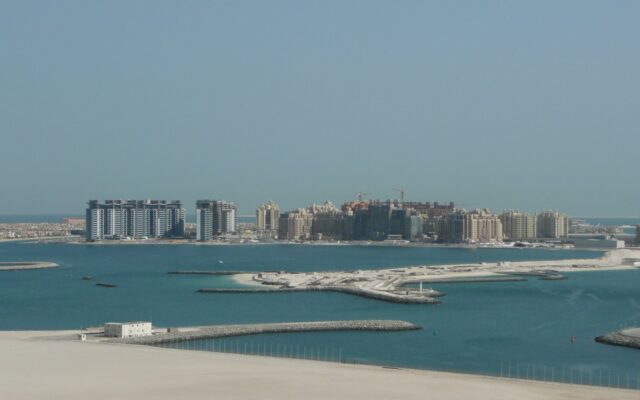
The exact route depends on your departure point and package, but the classic sights appear in a thrilling sequence. First the coastline unrolls: Jumeirah Beach, the Burj Al Arab standing on its own island, and the sweep towards the Marina’s forest of towers. Then comes the moment everyone waits for — Palm Jumeirah from directly above, its fronds and crescent rendered perfectly, with Atlantis at the crown. On longer flights the helicopter turns inland over the Business Bay canal to circle Downtown, where the Burj Khalifa’s needle is suddenly at your eye level rather than above you, before tracking back along the Creek, where the old trading dhows and the twin Deira towers give you the city’s original skyline.
Photographers should ask the ground crew which side of the aircraft favours their priority sight on the day — sun position and route direction change the answer, and the crew give this advice every day. Window seats matter less than you fear: the cabin glass wraps around generously, and the pilot banks gently at the big landmarks so both sides get their moment.
Common First-Timer Questions
Is it noisy or shaky? Modern sightseeing helicopters are smooth and quiet inside the cabin thanks to the headsets; expect a gentle vibration rather than shaking, and clear commentary throughout. Will I feel airsick? Most passengers are fine on short flights, but if you are prone to motion sickness, take your usual remedy beforehand, choose a morning flight in calm air and focus on the horizon. What happens if visibility is poor? Operators may offer a later slot or a rebooking rather than flying you through haze — a policy worth having, because a crystal-clear day transforms the experience.