Dubai’s Ghanaian community is one of the friendliest in the city — traders who have worked the Deira markets for decades, professionals in finance, healthcare and tech, church congregations that feel like extended family, and a steady flow of newcomers who get folded in quickly. Life here for expats from Ghana blends the ambition that brought people to the Gulf with the warmth they brought from home: you can build a serious career in the week and still find proper waakye, jollof and highlife on the weekend. This guide covers where the community gathers, where to eat and shop, and how to settle in well.
Where Ghanaians Live and Gather
Ghanaian residents are spread across Dubai rather than concentrated in one district, which reflects the range of jobs the community holds. Areas such as Deira, Bur Dubai, Satwa, Al Barsha, International City and parts of Sharjah next door all have visible Ghanaian populations, drawn by a mix of affordable rents, Metro access and proximity to work. Wherever you land, you will likely find compatriots nearby: ask at Ghanaian restaurants and salons, which double as informal community noticeboards, and you will quickly hear about the WhatsApp groups, associations and gatherings that knit the community together.
Faith is a major anchor. Ghanaian-led churches and fellowships meet across the city, and Friday or Sunday services are often where new arrivals find their first friends, housing leads and honest advice. Community associations and hometown groups also organise social events, welfare support and celebrations around Ghana’s Independence Day in March and other national occasions.
A Taste of Home: Food and Shopping
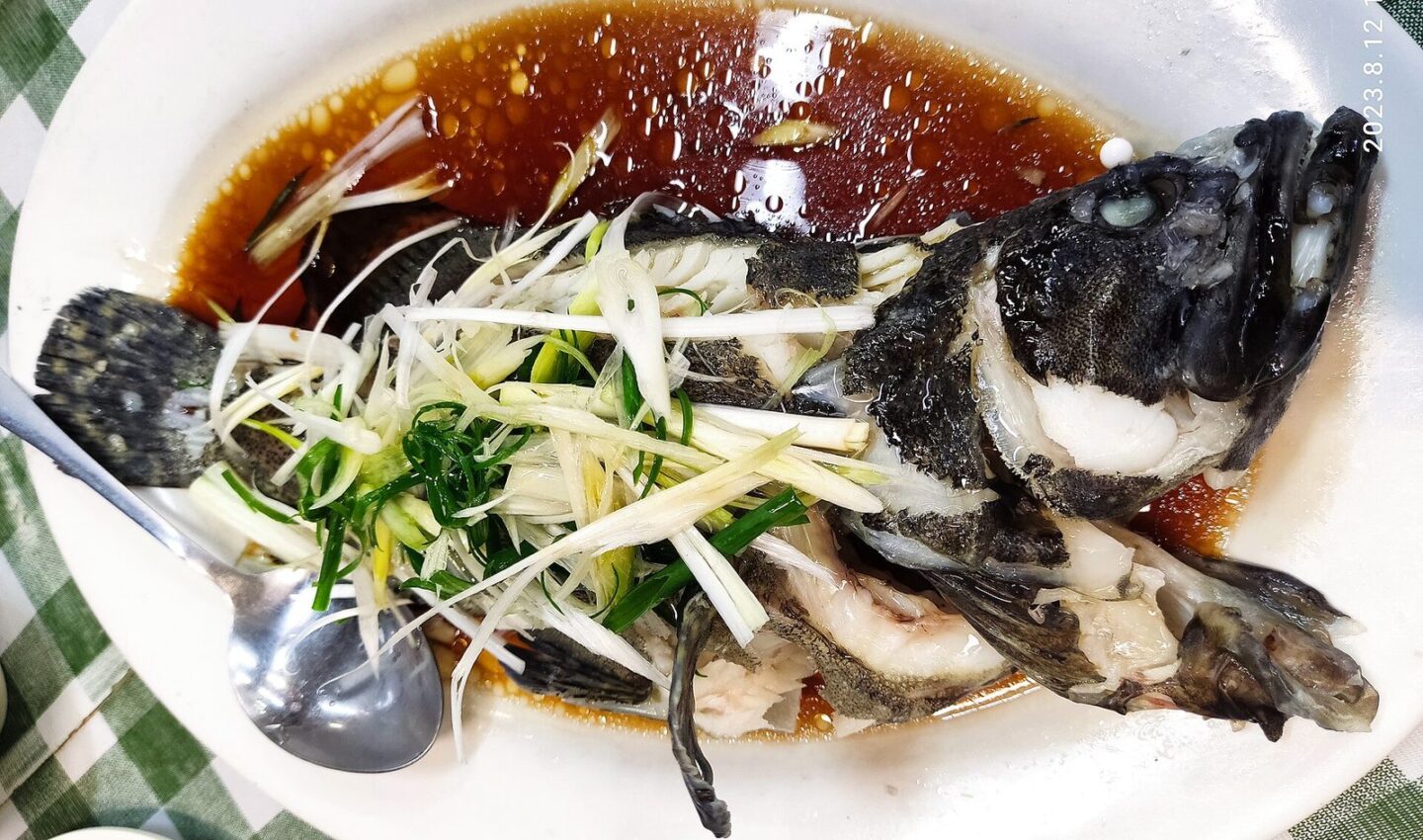
Food is where Dubai delivers for Ghanaians. African restaurants and grocery shops in Deira, Bur Dubai and Satwa stock the essentials — gari, yam, plantain, palm oil, dried and smoked fish, tinned tomatoes, shito and the spices that make a kitchen smell like home. African restaurants serve the dishes people miss most, from waakye with all the trimmings to grilled tilapia, groundnut soup and the eternal Ghana-versus-Nigeria jollof debate, which Dubai’s mixed crowds keep happily unresolved. Prices for imported ingredients are higher than at home, as a guide, so many families do a big monthly African-shop run and fill the gaps with local supermarket staples — rice, fresh vegetables, chicken and fish are all reasonably priced across the city.
For hair care, fabrics and tailoring, the same districts have African salons and shops selling kente, Ankara prints and ready-made outfits, with tailors who can turn fabric into a funeral, wedding or church outfit on a familiar timeline.
📸 Follow @dxbtalk1 on Instagram for daily Dubai in photos →
Work, Money and Practical Life
Ghanaians in Dubai work across trading, logistics, retail, hospitality, healthcare, education and professional services, and the city’s business culture rewards the community’s strengths: English fluency, hustle and strong networks. A few practical habits make life smoother:
- Keep documents in order — passport, Emirates ID and attested certificates open doors to better roles
- Send money home through licensed channels and compare rates, as small differences add up monthly
- Build an emergency cushion before lifestyle spending; Dubai’s costs reward planning
- Use community networks for leads, but always verify employers and contracts officially
Public transport, healthcare and government services are app-driven here, and newcomers adapt fast. Register with a clinic near home, learn the nol card and Metro basics in your first week, and lean on experienced community members for the unwritten rules — which landlords are fair, which agents to avoid, where to get documents typed cheaply.
Family Life and Weekends
Families find Dubai safe, sunny and full of free or low-cost pleasures: beaches, parks, mall play areas and community sports. Ghanaian football groups and weekend leagues are easy to find, and the community turns out in force when Ghana plays international fixtures. Children settle into schools across a range of budgets, and many families value the city’s order and safety compared with the pressures back home — while staying honest with kids about why the family is here and what everyone is working towards.
Staying Connected to Ghana
Most Ghanaian expats live in two worlds at once, and Dubai makes that manageable: regular flights home, instant mobile money, video calls and a constant flow of visitors carrying news (and food) in both directions. The healthiest pattern people describe is full commitment to life here — friends, church, career — alongside deliberate ties home: regular calls, transparent family finances and planned trips rather than emergency ones. Community associations also organise support when a member faces bereavement or crisis, which is when the network proves its worth.
FAQ
Where can I buy Ghanaian ingredients in Dubai?
African grocery shops in Deira, Bur Dubai and Satwa stock staples such as gari, yam, plantain, palm oil and shito. Ask in community groups for the current favourites, as shops open and move.
How do new arrivals meet other Ghanaians?
Ghanaian churches and fellowships, community associations, restaurants and salons are the usual starting points, along with online community groups for Ghanaians in the UAE.
Is Dubai a good long-term base for Ghanaian families?
Many families stay for years, valuing the safety, schools and earning potential. Residence is tied to employment or business status, so long-term plans should rest on stable visas and savings.
Dubai gives Ghanaians room to earn, grow and still feel at home — especially once you find your people. For more community and everyday-life stories, visit DXB Talk and browse the Lifestyle category.
Related Guides
- Life in Dubai for Expats From Armenia: Community, Food and Finding a Taste of Home
- Life in Dubai for Expats From Uzbekistan: Community, Food and Finding a Taste of Home
- Life in Dubai for Expats From Pakistan: Community, Food and Finding a Taste of Home
- El Salvador Weekend Comforts in Dubai: Food and Community