Dubai’s Gabonese community is small compared with the city’s biggest expat groups, but it sits inside one of the most vibrant African scenes in the region — and that makes settling in far easier than the distance from Libreville suggests. French is widely spoken in African circles here, Central and West African food is findable if you know where to look, and community life runs through workplaces, churches, football games and informal networks rather than one single neighbourhood. This guide shows Gabonese newcomers where the taste of home is, and how to build a life around it.
Where Gabonese Expats Tend to Live and Meet
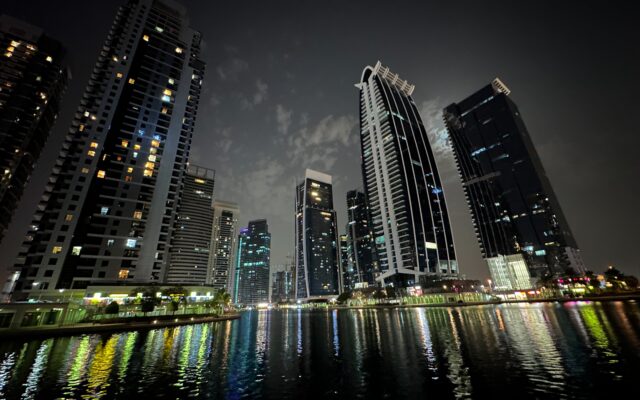
There is no single Gabonese district in Dubai; where people live follows budget and workplace more than nationality. More affordable areas such as Deira, Al Nahda, Muhaisnah and parts of Sharjah next door attract many African residents, while professionals spread into areas like Jumeirah Lake Towers, Al Barsha and Dubai South near their jobs. What matters more than the address is plugging into the networks: francophone African social groups, church congregations with French or African services, and workplace circles often become a newcomer’s first community.
Finding your people usually happens through small steps:
- Ask colleagues from Central and West Africa where they shop, eat and worship — recommendations travel fast
- Look for francophone community groups and African expat associations on social media, then verify any meetup before attending
- Join a football team or gym where African residents gather — sport is the fastest introducer in Dubai
- Stay in touch with Gabonese contacts through your country’s diaspora networks online
Food From Home: Ingredients and Restaurants
The flavours of Gabon — dishes built around manioc leaves, peanut sauces, smoked and grilled fish, plantain and fumbwa-style greens — rely on ingredients that mainstream Dubai supermarkets do not always stock, but African grocery shops do. Specialist African stores in Deira and other older districts import staples from Central and West Africa: dried and smoked fish, cassava products, palm oil, plantains, yams and hot peppers. Stock changes with shipments, so regulars learn to buy favourites in quantity when they appear.
For eating out, Dubai has a growing set of African restaurants, mostly West African and Nigerian-led with some Cameroonian and Congolese kitchens whose menus overlap happily with Gabonese tastes — grilled fish, peanut-based stews and jollof-style rice dishes will all feel familiar. As a guide, a hearty main in a casual African restaurant might typically cost around AED 35 to AED 70, while ingredients for cooking a family meal at home are often cheaper per head once you find a good supplier. Many Gabonese cooks also adapt: Asian supermarkets in the city are a surprisingly good source of fresh chillies, okra, leafy greens and seafood at fair prices.
📸 Follow @dxbtalk1 on Instagram for daily Dubai in photos →
Faith, Language and Everyday Culture
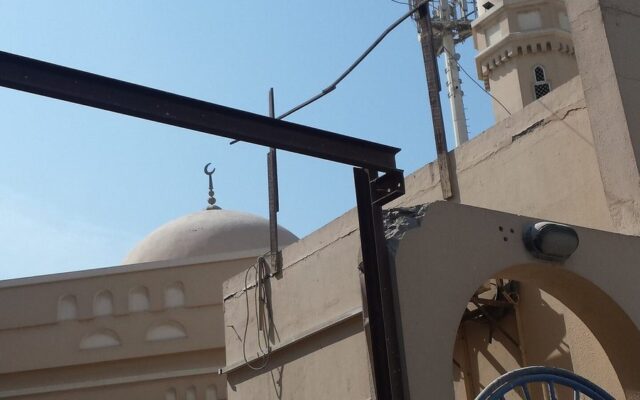
Gabon is a largely Christian country, and Dubai licenses churches of many denominations, with services held in church complexes in areas such as Jebel Ali and Oud Metha and in halls across the city. French-language and African-led congregations exist within that landscape, and for newcomers they double as the quickest route to friendships, practical advice and news from home. Muslims among Gabonese residents will find mosques in every neighbourhood, with Friday sermons sometimes translated or delivered in community languages at larger mosques.
Language is a gentle landing here: Gabon’s official language is French, and while English runs daily life and work in Dubai, French is genuinely useful — the city has a large francophone population from Africa, Europe and the Levant, French schools and cultural institutes, and plenty of employers who value French speakers in hospitality, trade and customer-facing roles. Keeping your French polished while your English grows is a real career asset, not just a comfort.
Building a Good Life Beyond Work
The residents who thrive treat Dubai as more than a posting. A few habits help Gabonese expats in particular:
- Keep home ties structured: Regular calls and remittances on a schedule work better than constant, draining ad-hoc requests — many families agree a fixed monthly plan
- Use the city’s free side: Public beaches, parks and desert trips in the cooler months cost little, and community sports leagues run year-round
- Mind the climate gap: Dubai’s summer heat is more extreme than Gabon’s humidity — plan outdoor life for early mornings and evenings from June to September
- Protect your documents and status: Community help is wonderful, but visas, tenancy and money should always run through official channels
- Save deliberately: The point of the move, for many, is building something back home — an automatic monthly transfer to savings makes it happen
Homesickness is real in the first months, especially around food and family events you are missing. It fades as routines form: a market that knows your order, a congregation that saves you a seat, a Friday braai or grilled-fish night with friends from Libreville, Port-Gentil and a dozen other African cities. Dubai rewards people who build those small rituals.
FAQ
Is there a Gabonese community in Dubai?
It is small, but Gabonese residents connect through the wider Central African and francophone African community — churches, social groups, sports and workplaces are the main meeting points.
Can I find Gabonese food ingredients in Dubai?
Many staples are available in specialist African grocery shops, especially in Deira, and Asian supermarkets cover fresh produce like okra, chillies and leafy greens. Stock rotates, so buy favourites when you see them.
Will speaking French help me in Dubai?
Yes — daily life runs on English, but French is widely spoken in the African and francophone community and is a genuine advantage in hospitality, trade and service jobs.
For more on neighbourhoods, food and community life in the city, visit DXB Talk and browse the Lifestyle category archive.