Getting between Dubai and Zambia takes a little planning: depending on the airline and the season, travellers usually fly with one stop through a regional hub, and the smart move is to compare routings by total journey time, baggage allowance and connection safety rather than headline price alone. Lusaka is the main international gateway in Zambia, with Ndola and Livingstone also receiving regional connections. This guide walks through how the routes generally work, how to check what is actually operating, and how to make the long journey easier.
How Routes Between Dubai and Zambia Usually Work
Schedules change by season, and airlines adjust their networks regularly, so always check the live route map and booking engine of the airline you plan to use rather than trusting any fixed list — including this one. In recent years, journeys between Dubai (DXB, and sometimes Al Maktoum International, DWC) and Zambia have typically been built in one of these ways:
- One stop via an African hub — for example connecting through Nairobi, Addis Ababa or Johannesburg with the airlines based there, then continuing to Lusaka or another Zambian airport.
- One stop via a Gulf or Middle East hub — flying first to a regional hub and onward to Lusaka with a partner or the same carrier.
- Occasional direct services — direct flights between the Gulf and Lusaka have operated at times; whether one is running in your travel month is something only the airline’s live schedule can confirm.
When comparing, look at the whole picture: a cheap fare with a nine-hour overnight layover can cost more in hotels, food and exhaustion than a slightly pricier tight connection. Also check whether the ticket is a single booking — one ticket means the airline rebooks you if a delay breaks the connection and your bags travel through; separate tickets leave the risk with you.
Booking Smart: Timing, Fares and Baggage
Long-haul fares between the Gulf and southern Africa swing with school holidays, December festivities and summer in the UAE. Booking several weeks ahead and staying flexible by a day or two either side usually finds the better prices — as a guide, return economy fares have often fallen somewhere around AED 1,800 to AED 3,500 depending on season and how early you book, but treat that purely as a rough orientation and check live prices. Practical tips that consistently help:
- Search the airline’s own site as well as comparison sites, and check both DXB and DWC departures.
- Confirm the baggage allowance in writing — residents travelling home often carry gifts and goods, and excess baggage at the airport costs far more than a prepaid extra bag.
- Check visa and transit rules for your connection country, even for airside transit, on official sources.
- Make sure your passport has at least six months’ validity and that your UAE residence status allows you to return — keep your Emirates ID with you.
- Share your final itinerary with family on both ends and keep booking references offline in your phone.
📸 Follow @dxbtalk1 on Instagram for daily Dubai in photos →
At the Airports: What to Expect
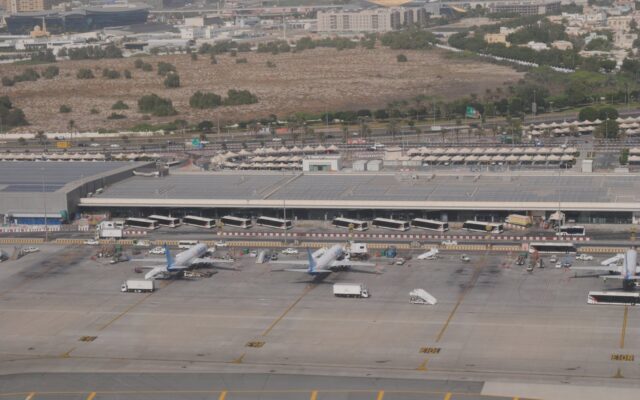
Dubai International is large but well signed: arrive three hours before a long-haul departure, use online check-in, and keep liquids and electronics ready for security. If you are connecting through a hub, follow the transit signs, keep your onward boarding pass handy, and stay airside unless your itinerary says otherwise. On arrival in Zambia, have your documents ready — passport, any visa or entry paperwork required for your nationality and purpose, and a local address for the arrival form. Zambians returning home have a straightforward entry, but residents of the UAE travelling on other passports should check Zambia’s current entry rules on official Zambian government sources before flying. For the return to Dubai, Zambian passport holders should re-check UAE entry requirements the same way, via UAE official portals and the airline.
Making a Long Journey Comfortable
With total travel time often running well beyond ten hours door to door, small comforts matter: an overnight routing that lets you sleep on the longest leg, a refillable water bottle filled after security, compression socks and a walk around the cabin every couple of hours, and a change of clothes in your cabin bag in case luggage is delayed. If you are travelling with children, pre-book kids’ meals and bassinets where offered, and keep snacks and entertainment in your hand luggage rather than relying on the connection airport. Finally, plan the last mile in advance — arrange who is meeting you in Lusaka or Dubai, or pre-book a licensed taxi or ride-hailing pickup, especially for late-night arrivals.
FAQ
Are there direct flights from Dubai to Zambia?
Direct services have operated at times but networks change. Check the live schedules of airlines serving Lusaka and Dubai for your exact dates; if no direct flight is listed, plan on a one-stop routing via a regional hub.
Which Zambian airport should I fly into?
Lusaka’s international airport is the main gateway with the widest choice. Ndola and Livingstone may suit onward travel in the Copperbelt or at Victoria Falls, usually with an extra regional connection.
How early should I book for the best fare?
As a guide, start checking six to ten weeks out and book when the price and connection both look good. Fares typically rise in peak holiday periods, so December and school holidays reward early booking.
A well-chosen connection turns a long trip home into a manageable one — compare total journey time, baggage and connection safety, not just price. For more travel planning help, visit DXB Talk and browse the Travel archive.