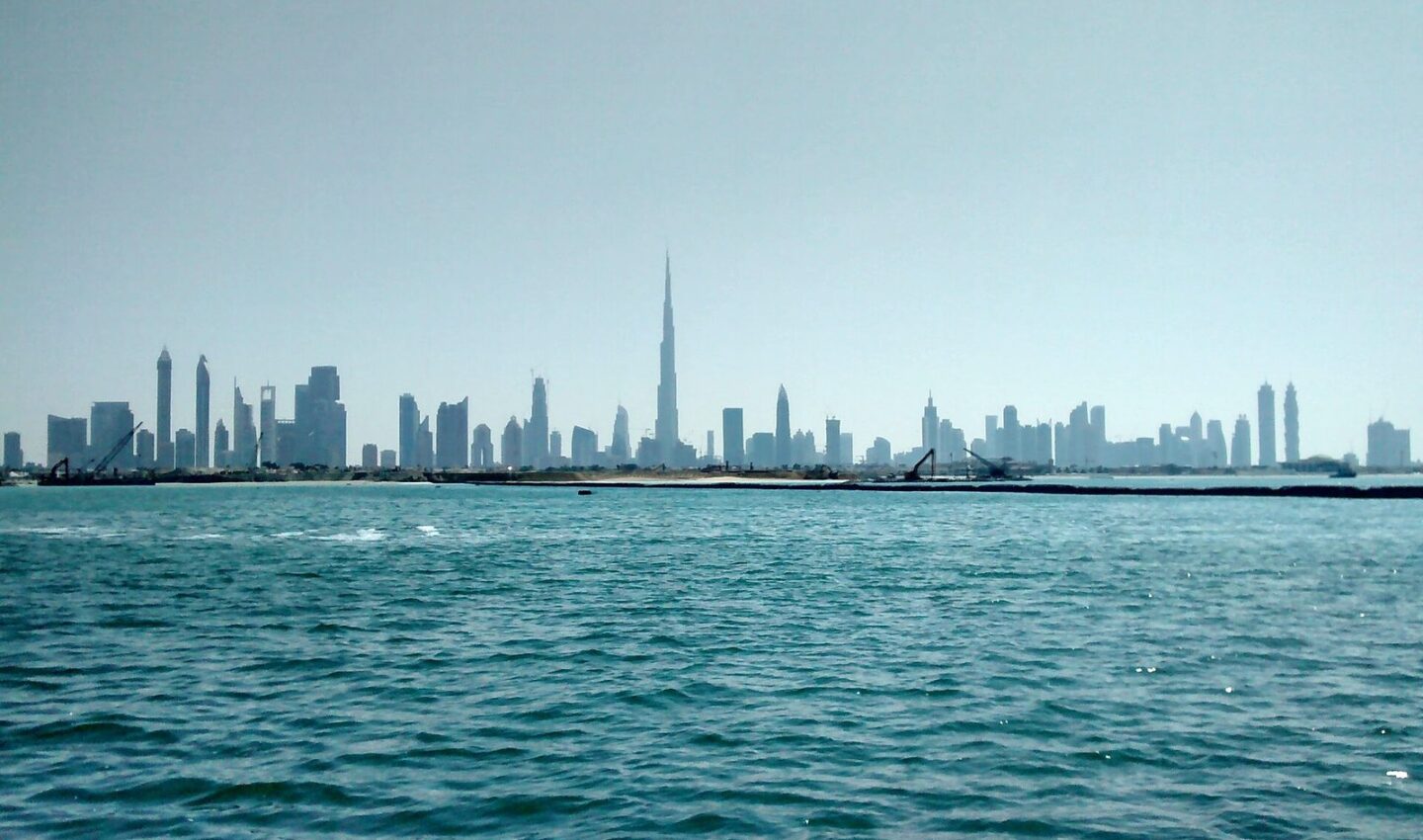
For people from elsewhere in the United Arab Emirates who base themselves in Dubai — whether Emirati citizens moving from another emirate or long-term UAE residents relocating across the country — the city offers a familiar country at a faster tempo. You already know the culture, the climate and the systems; what changes is scale. Dubai simply has more of everything: more neighbourhoods, more restaurants, more events, and more traffic to plan around.
A Familiar Culture, a Bigger Stage
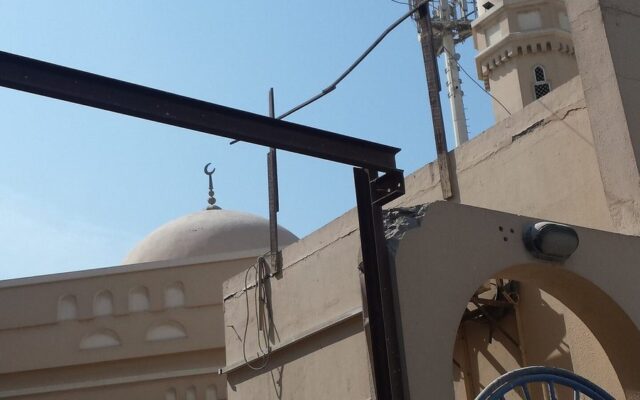
The comfort of an internal move is that nothing fundamental needs relearning. Arabic and English work everywhere, the same federal laws and holidays apply, prayer facilities and mosques are woven through every district, and the majlis culture of hospitality feels identical — only the guest list grows. Emirati families moving from quieter emirates often say the biggest surprise is how international their children’s world becomes: schools, sports clubs and friendships span dozens of nationalities within a single classroom or team.
At the same time, Dubai keeps Emirati heritage visible and celebrated. Heritage districts along the Creek, traditional souks, falconry and equestrian culture, dhow races and National Day celebrations across the city give residents from other emirates plenty of points of connection — and favourite places to take visiting relatives.
Food: Home Cooking Meets the World
Emirati food is proudly represented in Dubai, from traditional restaurants serving harees, luqaimat and machboos to modern Emirati cafes reinterpreting classic flavours. Family kitchens, of course, remain the centre of food life, and the city’s supermarkets and fish and vegetable markets make sourcing fresh ingredients easy. Beyond home flavours, the sheer range is the pleasure of Dubai: within a short drive you can eat Levantine, Persian, Indian, Filipino, Ethiopian or Japanese food prepared by people from those places, and weekend food plans become a family hobby in themselves.
- Traditional Emirati restaurants for family gatherings and visiting relatives
- Specialist markets — fish, dates, spices and camel-milk products
- International food districts such as Jumeirah, Al Karama and International City
- Majlis-style cafes for Arabic coffee, dates and unhurried evenings
📸 Follow @dxbtalk1 on Instagram for daily Dubai in photos →
Community and Daily Life
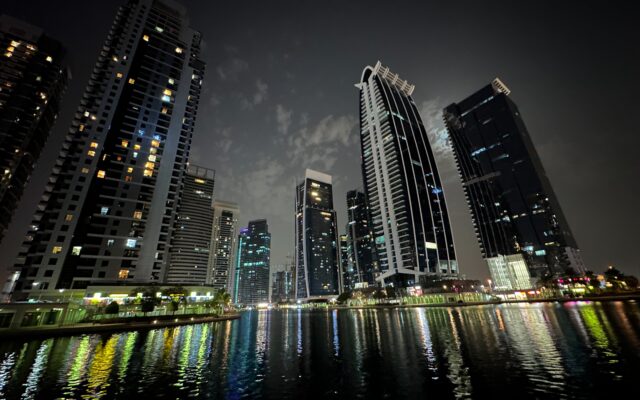
Community in Dubai works on two levels. The first is kinship: most Emirati and long-term resident families moving to Dubai already have relatives or friends in the city, and Friday gatherings simply change address. The second is neighbourhood. Dubai’s districts have strong individual characters — the calm of Arabian Ranches or Al Barari, the buzz of Jumeirah and Dubai Marina, the heritage feel of Al Fahidi — and choosing the right one matters more than any other decision. Residents from Abu Dhabi often notice the school-run and commute patterns differ; residents from Sharjah usually celebrate the end of the daily inter-emirate drive.
For leisure, the city layers options endlessly: beaches and beach clubs, desert trips in winter, golf, padel, horse riding, and a year-round calendar of festivals, exhibitions and sporting events. Ramadan in Dubai is a particular highlight, with iftar tents, night markets and a city that stays alive late into the evening.
Practical Adjustments
Day-to-day systems will feel seamless — your Emirates ID, bank accounts, driving licence and mobile number all carry over. The practical homework is local: register your tenancy with Ejari, connect DEWA, learn Salik routes and peak-hour patterns, and choose healthcare providers within your insurance network near home. Housing is the biggest budget change; as a guide, Dubai rents typically run higher than in the northern emirates and at or above Abu Dhabi levels for comparable prime areas, so set the housing budget before falling in love with a neighbourhood.
Weekends and Getting Away
One pleasant reversal awaits movers: the rest of the UAE becomes your weekend playground. The same family that once drove into Dubai for a big day out now drives out — to Hatta’s mountains and kayaking, Fujairah’s beaches and snorkelling, Ras Al Khaimah’s Jebel Jais, or Abu Dhabi’s museums and mangroves. Many Dubai-based Emirati families keep strong ties to their home emirate and split weekends between the two, which softens any homesickness entirely. Within the city, winter is the social season: outdoor majlis evenings, desert camps, food festivals and heritage events fill the calendar from November to March.
FAQ
What is the biggest adjustment moving to Dubai from another emirate?
Most people say traffic and housing costs. The culture, laws and services are the same country-wide, but Dubai’s scale and pace take a few weeks to settle into.
Can Emirati families find traditional food and community easily?
Yes — Emirati restaurants, markets, mosques and cultural districts are present across the city, alongside one of the world’s most international dining scenes.
Do I need to change my documents when moving to Dubai?
No new documents are required; simply update your address, register your tenancy with Ejari and connect DEWA at the new home.
Dubai asks little of those who already know the Emirates — and gives back a bigger, busier version of home. For more guides to life in the city, visit DXB Talk and browse the Lifestyle archive.