Dubai’s Tajik community is not its largest, but it is a warm and practical one, built around workplaces, shared housing areas, mosques and the Central Asian cafes and grocers of older Dubai. Life here will not hand you a ready-made taste of home on every corner – yet with a little local knowledge you can eat well, speak Tajik and Russian daily, and build a circle that makes the city feel far less foreign.
Where Tajik life in Dubai tends to gather
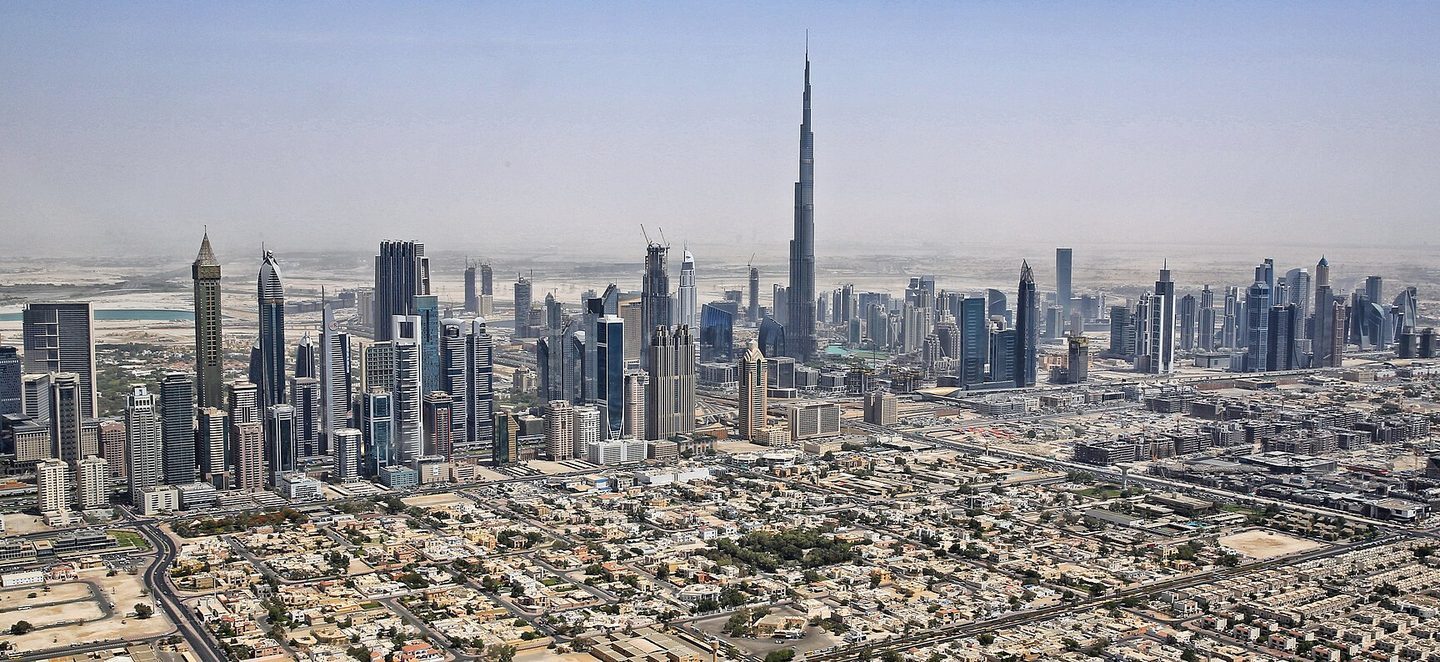
Tajik residents are spread across the city, with many living in affordable, well-connected districts such as Deira, Bur Dubai, Al Nahda and International City, often close to work in construction, logistics, trade and services. These older neighbourhoods are also where you will find Central Asian and Afghan bakeries, halal butchers and grocers stocking familiar staples – flatbreads, dried fruits and nuts, teas, spices and sweets that make cooking from home realistic rather than a special project. Russian is widely spoken in these trading districts too, which helps many Tajik newcomers settle, shop and find work in their first months.
Food: plov, qurutob and feeding a family
Home cooking is the backbone of Tajik food life in Dubai. Rice, lamb and beef, carrots, onions, chickpeas and dried apricots are all easy to source, and larger supermarkets plus the Deira markets cover most needs, so plov for a Friday gathering is entirely achievable on a normal budget. As a guide, cooking at home for a family typically costs a fraction of restaurant eating – many households manage groceries from around AED 800 to AED 1,500 a month per adult depending on habits. For eating out, search Central Asian and Uzbek restaurants in Deira and Bur Dubai, where menus often include plov, laghman, manti and shashlik close enough to home cooking to satisfy a craving, typically around AED 30 to AED 70 per person as a guide.
📸 Follow @dxbtalk1 on Instagram for daily Dubai in photos →
Faith, festivals and community connections
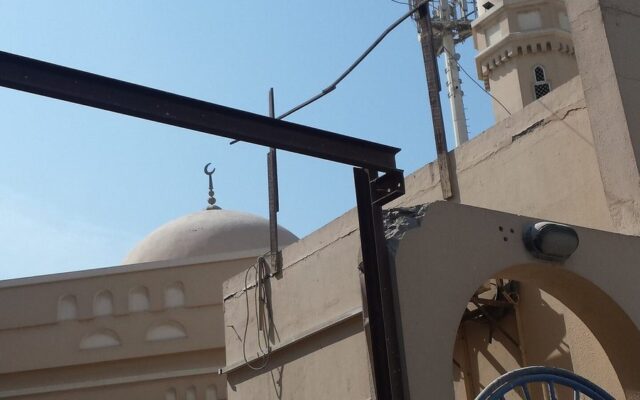
Dubai’s mosques are open to all, and Friday prayers and Ramadan iftars are natural meeting points where Tajik residents connect across workplaces. Navruz in March is the cultural high point of the year for Tajik families; community celebrations are usually organised informally through social media groups, workplaces and friendship networks rather than big public festivals, so joining Tajik and Central Asian expat groups online is the quickest way to hear about gatherings, football games and family picnics in the cooler months. Parks in winter – from around November to March, when evenings are pleasant – become the community’s living room.
- Join Tajik and Central Asian community groups on social media
- Shop the Deira markets for dried fruit, nuts, tea and bread
- Try Central Asian restaurants in Deira and Bur Dubai for plov and manti
- Use parks and mosque communities to meet families in winter
- Share lifts and tips on trips home through workplace networks
Making Dubai work for the long term
The residents who thrive treat the first year as foundation-building: improving English or Arabic alongside their Tajik and Russian, keeping documents and savings in order, and moving from shared housing toward a family tenancy once income is stable. Children settle quickly in Dubai’s schools, though school fees vary enormously, so families should research options early. Keep ties home strong with regular calls and planned trips – flights home are a real budget line, so saving a small amount monthly toward Nowruz or summer travel removes the stress. Dubai rewards patience: skills, paperwork and a good reputation compound here.
Children, language and everyday pleasures
For Tajik children growing up in Dubai, identity is built in small daily habits: Tajik spoken at home, stories from grandparents on video calls, familiar food at weekends, and music and poetry woven into family life. Many parents balance this with the real advantages Dubai offers – English-medium schooling, friendships from dozens of countries, and sports and activities all winter long. Public libraries, community sports leagues and school clubs are inexpensive ways for children to belong here without losing where they come from. Adults benefit from the same rhythm: a regular football game, a weekly market trip, a favourite tea spot in Deira. These routines sound small, but they are what turn a work posting into a life, and they are the reason many Tajik residents who planned two years in Dubai find themselves happily renewing for a fifth and a sixth year.
FAQ
Can I find Tajik food ingredients easily in Dubai?
Yes, in the main. Deira and Bur Dubai grocers and markets stock Central Asian breads, dried fruits, nuts, teas and spices, and large supermarkets cover rice, meats and produce for dishes like plov.
Is there a Tajik community organisation in Dubai?
Community life is mostly informal – social media groups, mosque networks, workplaces and Central Asian cultural circles. Search those channels and attend gatherings in winter to build your circle.
Which areas suit Tajik families on a budget?
As a guide, Deira, Bur Dubai, Al Nahda and Muhaisnah are popular starting points for affordability and transport links, with families moving further out as budgets allow.
For more stories and guides on expat life in the city, visit DXB Talk and explore our Lifestyle category archive.
Related Guides
- Life in Dubai for Expats From Armenia: Community, Food and Finding a Taste of Home
- Life in Dubai for Expats From Uzbekistan: Community, Food and Finding a Taste of Home
- Life in Dubai for Expats From Pakistan: Community, Food and Finding a Taste of Home
- Life in Dubai for Expats From Spain: Community, Food