Sri Lankans have been part of Dubai’s story for decades, working in hospitality, construction, healthcare, finance, domestic work and many other fields, and that long presence means a newcomer can find familiar food, languages and friendship faster than they might expect. Life here will still feel different from Colombo, Kandy or Jaffna, but with a little exploring you can build a routine that mixes Dubai opportunity with a real taste of home.
Where community gathers
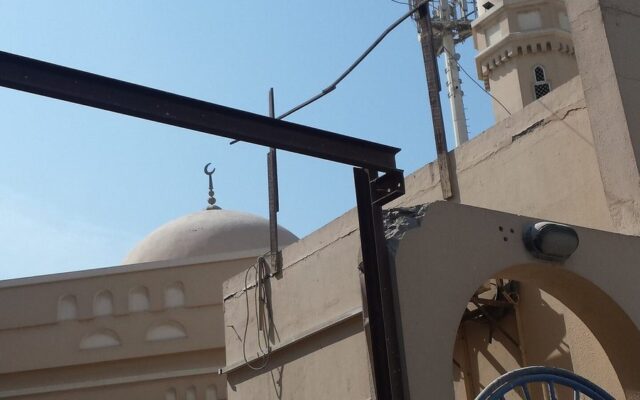
Sri Lankan social and welfare associations, alumni groups from Sri Lankan schools, and faith communities are often the quickest way to meet people. Churches, Buddhist temples and Hindu temples in the UAE hold services and festivals where Sinhala and Tamil speakers gather, and community celebrations around Sri Lankan New Year in April and Vesak bring people together for food and cultural programmes. Look for groups through your workplace, place of worship or the official consular notices, and take normal care with any group found only on social media before sharing personal details.
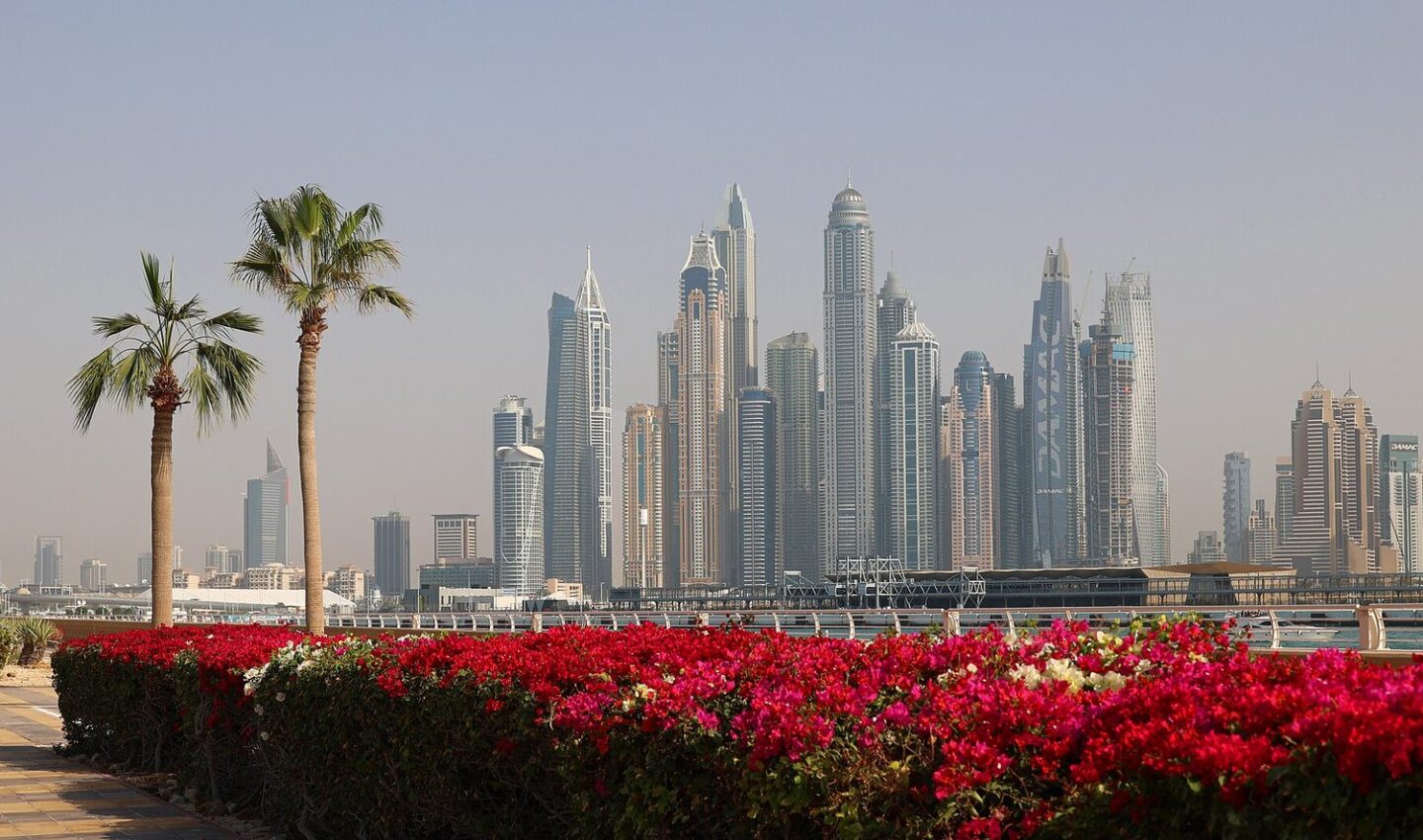
Long-established neighbourhoods such as Deira, Bur Dubai, Satwa, Al Qusais and Karama have many South Asian residents and shops, while families also live across newer communities depending on schools and commutes. Choosing where to live is usually a balance of rent, typically the biggest monthly cost, travel time to work, and proximity to a Metro line or bus route.
Food that tastes like home
Finding Sri Lankan food in Dubai is one of the pleasures of the city. Sri Lankan restaurants and cafeterias serve hoppers, string hoppers, kottu roti, rice and curry, pol roti and short eats, and many South Asian supermarkets stock the essentials:
- Red and white raw rice, samba rice and Sri Lankan spices including roasted curry powder
- Coconut milk, Maldive fish, goraka, pandan and curry leaves when in season
- Ceylon tea, jaggery, treacle and favourite biscuit and snack brands from home
- Frozen seafood and specialty items in larger South Asian grocery stores
Prices for imported items are typically higher than at home, as a guide expect to pay a premium for branded Sri Lankan goods, so many families mix supermarket staples from Dubai’s big chains with a weekly specialty shop. Friday lunch after worship, with a proper rice and curry spread, becomes a ritual for many households.
📸 Follow @dxbtalk1 on Instagram for daily Dubai in photos →
Work, money and everyday life
Most Sri Lankans in Dubai work hard and send money home regularly, so building a simple budget helps: rent, transport, food, remittances and a small emergency fund before discretionary spending. Keep your residence, labour rights and salary payment through official channels, and know that UAE labour law and the Wage Protection System are there to protect workers; the Sri Lankan consular services and UAE labour helplines can advise if pay is delayed.
For leisure beyond work, Dubai offers beaches, parks, public libraries and low-cost outings that suit family life. A Nol card for the Metro and buses, a visit to the historic creek area, or an evening in a park with home-cooked food can make the city feel affordable as well as exciting. Summers are very hot, so plan outdoor time for early mornings and evenings from June to September and stay hydrated.
Staying connected to Sri Lanka
Cheap internet calls, Sri Lankan television streamed online, and frequent flights to Colombo keep ties strong. Many families time leave around school holidays and Avurudu, and community travel agents and airlines publish offers for the route well in advance. If elderly parents are at home, setting up a clear routine for calls, remittances and emergencies, including copies of key documents held on both sides, brings peace of mind.
New arrivals should register their presence as advised by official guidance, keep passport and Emirates ID copies with a trusted person, and learn the basics of UAE life quickly: how tenancy and Ejari work, how to use the Metro, and where their nearest hospital and police station are. Small steps like that turn a new posting into a settled home.
FAQ
Can I find Sri Lankan food easily in Dubai?
Yes. Sri Lankan restaurants and South Asian supermarkets in areas such as Deira, Karama and Satwa stock and serve most favourites, though imported brands cost more than at home.
Which areas do many Sri Lankan families live in?
Many live in Deira, Bur Dubai, Al Qusais and Karama, but families live citywide. Choose by rent, commute and schools rather than community alone.
How do people celebrate Sri Lankan New Year in Dubai?
Community groups, temples and churches often hold Avurudu gatherings in April with traditional food and games. Check community and consular notices nearer the time.
For more stories and practical guides to settling in, visit DXB Talk and browse our Lifestyle category.
Related Guides
- Life in Dubai for Expats From Armenia: Community, Food and Finding a Taste of Home
- Life in Dubai for Expats From Uzbekistan: Community, Food and Finding a Taste of Home
- Life in Dubai for Expats From Pakistan: Community, Food and Finding a Taste of Home
- Cost of Living in Dubai Compared With Back Home in Indonesia