Getting between Dubai and Senegal takes planning, because this is a long westbound journey across Africa with no guarantee of a non-stop option on any given date. Most travellers connect through a major hub in the Gulf, East Africa or North Africa, and total journey times are long, so choosing your connection carefully matters more than chasing the absolute cheapest fare. This guide explains how to check current routes, what to expect on the way, and how to make the trip smoother.
Checking Whether a Direct Flight Exists
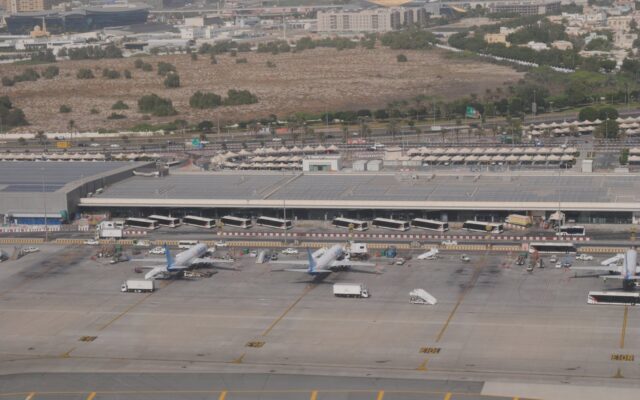
Airline networks change with seasons and demand, and routes between Dubai and Dakar, Senegal’s capital, have historically been served both directly at times and via connections at others. Never assume a non-stop flight exists for your travel dates. Check the route maps and booking engines of the large Gulf carriers and African airlines, search Dubai International Airport (DXB) departures for Dakar (DSS, Blaise Diagne International Airport), and compare results on two or three booking platforms. If a direct seat appears, note the operating days carefully, as long-haul routes to West Africa often run only a few times a week rather than daily.
Common One-Stop Routings
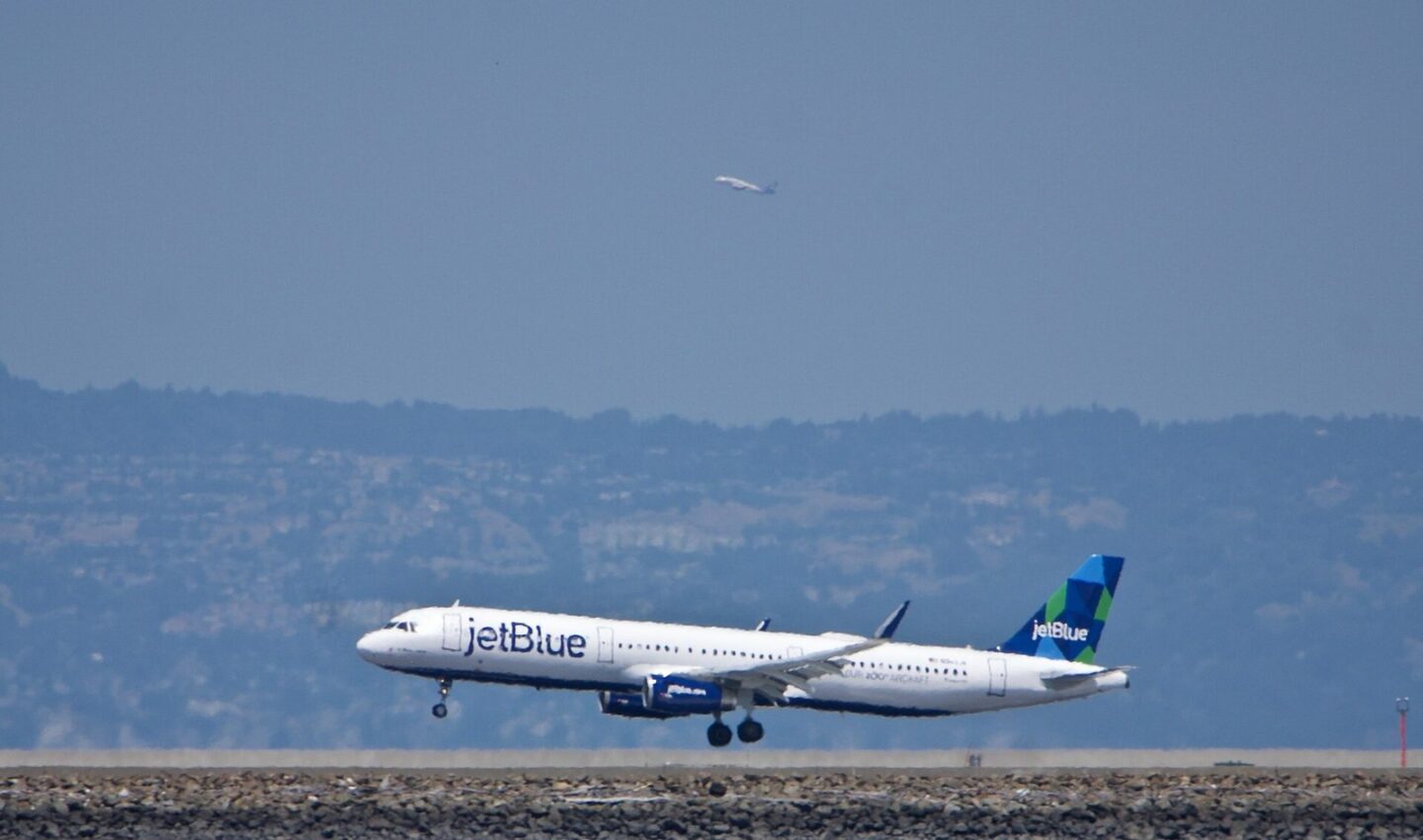
When no direct flight suits, one-stop itineraries are the norm. Typical connection points on this corridor include Gulf hubs, Istanbul, Addis Ababa, Casablanca and Cairo, depending on the airline. Each has trade-offs:
- Gulf and Turkish connections usually offer modern aircraft and good onward timing, but total elapsed time can still run to 14 hours or more.
- African hub connections can be shorter geographically and sometimes cheaper, though schedules may be less frequent.
- Check whether your itinerary is on a single ticket, so bags transfer automatically and the airline protects you if the first leg is delayed.
- Verify transit visa rules for your connection country using your passport nationality, not your UAE residence.
Avoid separate-ticket combinations on this route unless the saving is large: a missed self-connection across continents is expensive to fix.
📸 Follow @dxbtalk1 on Instagram for daily Dubai in photos →
Fares, Timing and Baggage
As a guide, economy return fares between Dubai and Dakar typically start around AED 2,200 to AED 3,500 in quieter periods and can climb well above AED 4,500 around holidays, school breaks and peak travel seasons. West African routes are popular with traders and families, so baggage allowance matters: confirm whether your fare includes 30 kg or more in checked luggage, and price extra bags in advance online, where they are usually far cheaper than at the airport. Book four to eight weeks ahead for the best balance of price and choice, and be flexible on midweek departures where possible.
Documents, Health and Arrival in Senegal
Before you book, confirm your entry status for Senegal. Visa requirements depend on your nationality: some passport holders enter visa-free for short stays, others must arrange approval in advance, and rules change. Check the official Senegalese government or consulate channels and your airline’s document checker well before departure, and do the same for your return or onward entry to the UAE. Yellow fever vaccination requirements apply to many travellers arriving in Senegal, so verify current health rules and carry your vaccination certificate if one is required. At Dakar’s airport, official taxis and pre-arranged hotel transfers are the simplest onward options; agree the fare or transfer in advance, keep local currency in small notes for the first day, and allow extra time on departure day, as check-in for long-haul flights opens early and queues can be long.
Tips for the Long Journey
With flying and connection time combined, door-to-door travel can approach a full day. Choose a connection of at least two hours for comfort, keep medicines, chargers, a change of clothes and important documents in your cabin bag, and download entertainment and offline maps before leaving Dubai. If you travel during Ramadan or Senegalese public holidays, expect fuller flights and book earlier. Business travellers should check lounge access at the connection airport, as a shower and a proper meal between two long sectors makes a real difference.
What to Pack and Prepare
Dakar’s climate is warm for most of the year, with a rainy season in the summer months, so light clothing plus a layer for air-conditioned cabins works well. If you are visiting family, gifts and goods bought in Dubai are common, but check your airline’s rules on restricted items and Senegalese customs allowances before packing electronics or commercial quantities of anything. Traders flying this route regularly should keep invoices for goods in their cabin bag, as customs officers may ask about them on arrival. Finally, arrange your return to Dubai with the same care: confirm your UAE residence or visit status will still be valid on your return date, and keep your Emirates ID and passport copies accessible throughout the trip.
FAQ
How long does the Dubai to Dakar journey take?
A non-stop flight, when operating, takes roughly nine to ten hours. One-stop itineraries typically take 13 to 19 hours including the connection.
Which airport serves Dakar?
Blaise Diagne International Airport (DSS), located outside the city, replaced the old central airport for international flights. Confirm your arrival airport on your ticket.
When is the cheapest time to fly?
As a guide, fares are usually lowest outside holiday peaks and major travel seasons. Midweek flights and booking several weeks ahead usually help.
For more travel planning and Dubai living guides, visit DXB Talk and browse the Travel archive.