Being a Nauruan in Dubai means being part of one of the smallest expat communities on Earth — quite possibly a community you can count on one hand. That sounds lonely, but many Pacific islanders who have made the move describe the opposite: Dubai is so international that everyone is from somewhere else, and a friendly Nauruan quickly builds a wide circle through work, faith, sport and the broader Pacific community. This guide covers what daily life actually looks like, from finding familiar food to staying connected with the island.
Everyday life, Dubai style
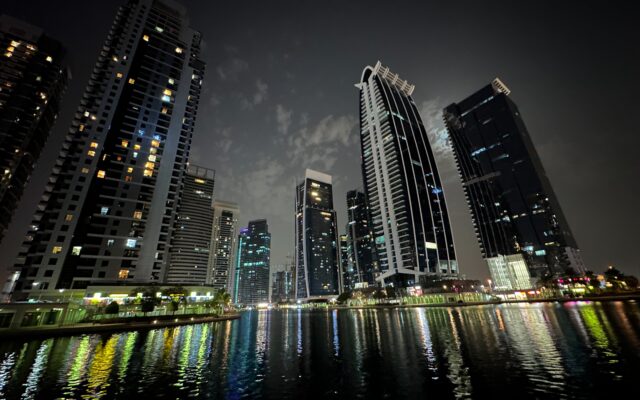
The contrasts hit you immediately. Nauru is about 21 square kilometres where everyone knows everyone; Dubai is a city of millions where you can be gloriously anonymous. Distances are bigger, so where you live matters: newcomers often choose areas such as JVC, Al Barsha, Discovery Gardens or International City for value, or JLT and Dubai Marina for a busier social scene. As a guide, one-bedroom apartments in mid-range areas typically run from around AED 3,000–5,500 a month, and shared housing costs less while you find your feet.
The rhythm of life is shaped by the climate. Summer heat pushes activity indoors and into the evenings for months, while winter is made for the beach, the desert and outdoor markets. Work culture is fast and paperwork is taken seriously — your Emirates ID, tenancy contract and bank account form the holy trinity of getting anything done — but once those are in place, daily life runs smoothly and safely.
Building your community
With so few Nauruans in the UAE, your community will be a blend. The wider Pacific network is your natural starting point: Australians and New Zealanders are present in large numbers, and smaller Pacific island communities gather through churches, rugby and netball clubs, and cultural events. Search social media for Pacific islander and ANZAC expat groups in Dubai, and say yes to invitations early on — friendships here form fast precisely because everyone arrived as a stranger once.
Faith is central for many Nauruans, and Dubai’s licensed churches hold English-language services across the city, with congregations drawn from dozens of countries. A church community often becomes the closest thing to the island’s everyone-knows-you warmth: shared meals, help in a crisis and people who notice when you are missing. School communities play the same role for families, and sports clubs — touch rugby, volleyball, outrigger and gym communities — add an active circle on top.
For official matters, remember that citizens of Nauru are generally served by a diplomatic mission outside the UAE or from Nauru itself. Confirm the covering mission through Nauru’s official government website and the UAE Ministry of Foreign Affairs’ mission list, and save the contact details before you ever need them.
📸 Follow @dxbtalk1 on Instagram for daily Dubai in photos →
Food and tastes of home
Honesty first: there is no Nauruan food scene in Dubai, and island staples will take some hunting. What you can do is get close:
- Root vegetables such as taro and yam appear in Asian and Filipino supermarkets and some large hypermarkets, fresh or frozen.
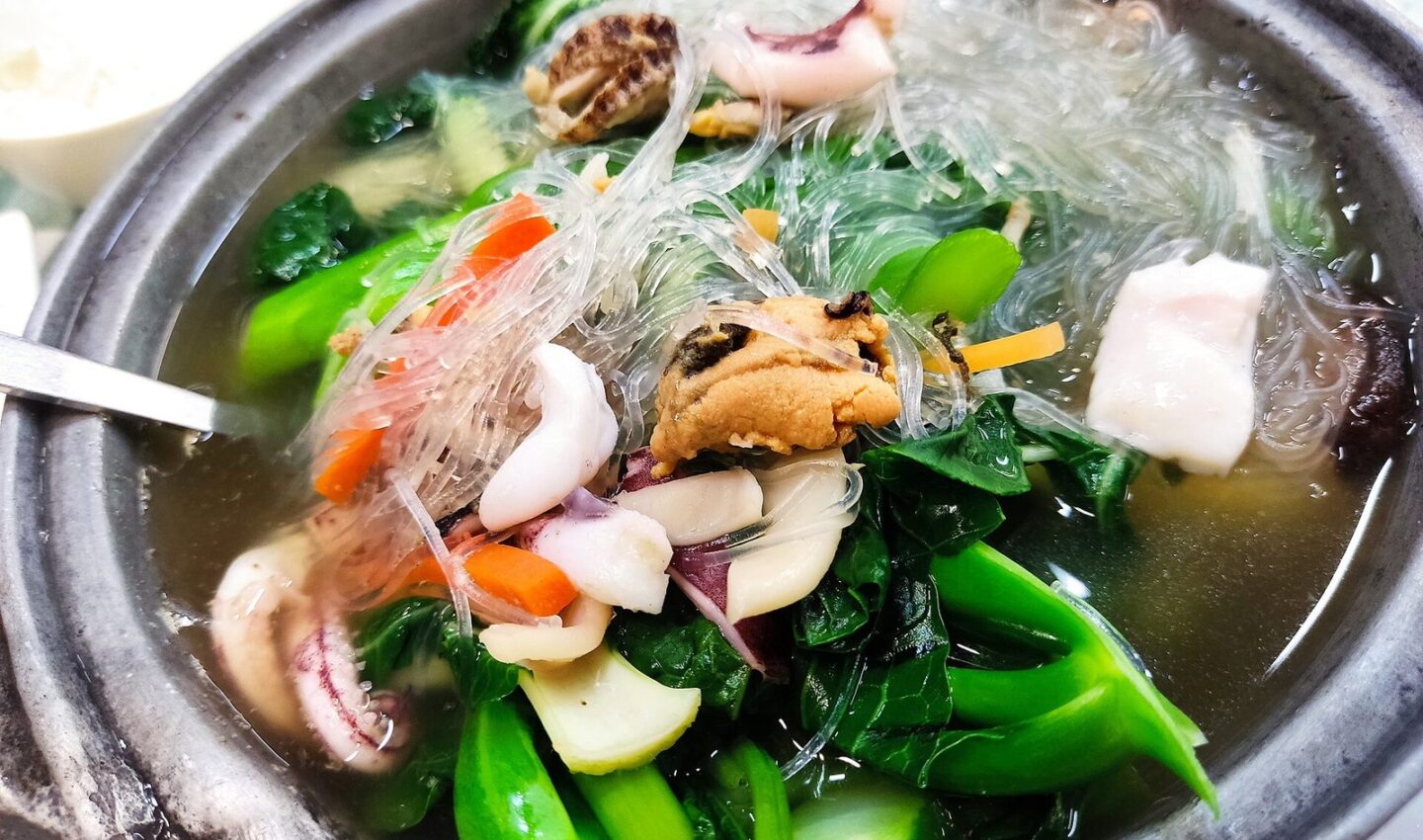
- Fresh fish is abundant — Dubai’s fish markets and supermarket counters carry reef-style and deep-sea fish that suit island cooking, even if the species differ from home.
- Coconut products, rice and Asian sauces are everywhere and cover much of a Pacific pantry.
- Truly specific items — particular island products and favourites — usually arrive in the suitcases of anyone travelling from home, within airline and customs rules.
Cooking for friends is the Pacific way, and it works beautifully in Dubai: a shared table of fish, taro and coconut-rich dishes introduces colleagues to Nauruan hospitality, and you will be invited back into a dozen other food cultures in return. Food, more than anything, is how this city bonds.
Money, family and staying connected
Salaries in the UAE are tax-free, but Dubai is skilled at absorbing them; set a payday routine of sending money home first, then spending. Transfers to Nauru usually go bank-to-bank in Australian dollars — Nauru’s currency — and can take several working days through correspondent banks, so send support payments ahead of when they are needed, not at the last minute. The time difference is the other practical hurdle: Dubai runs well behind Nauru, roughly eight hours depending on daylight saving in the region, so weekend video calls need a little planning — your Saturday morning is the island’s Saturday evening, which actually suits a long family call nicely. Flights home are major expeditions with no direct route, so most Nauruans plan one substantial trip home a year, booked early, rather than short hops.
FAQ
How many Nauruans live in Dubai?
Very few — there is no large organised community. Social life is built through Pacific, Australian and New Zealand networks, churches, workplaces and sports clubs.
Can I buy Pacific island food in Dubai?
Partly. Asian supermarkets stock taro, yam, coconut and rice, and fish is plentiful, but specific Nauruan products generally have to come from trips home.
What is the hardest part of the move?
For most people it is distance: the long, multi-stop journey home and the time difference. Planning travel early and keeping a weekly call rhythm with family makes it manageable.
For more stories and practical guides about building a life in the Emirates, visit DXB Talk and browse the Lifestyle category archive.