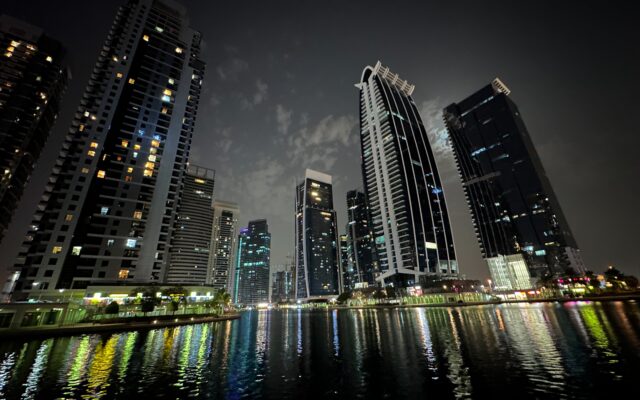
Liechtensteiners are among the rarest expats in Dubai — the principality’s whole population would fit into a couple of Dubai Marina towers — so there is no Liechtenstein neighbourhood, clubhouse or deli waiting for you here. What there is, happily, is a large and welcoming German-speaking and Alpine expat world, a Swiss community with strong institutions, and a city that imports almost everything you miss. Life in Dubai for someone from Liechtenstein is mostly about plugging into those neighbouring circles and enjoying the contrast: Rhine valley calm swapped for desert energy.
Finding Your People: The German-Speaking and Swiss Networks
Your fastest route to community is the broader German-speaking scene. Swiss, German and Austrian social clubs and business councils in Dubai run regular Stammtisch evenings, family events, hiking groups and national celebrations, and membership or guest attendance is generally open to anyone with a genuine connection to the language and culture — a Liechtensteiner’s German and Alpine background fits naturally. Swiss organisations are especially relevant: Liechtenstein’s close ties with Switzerland mean many Liechtensteiners already bank, study or do business through Swiss channels, and the Swiss community in Dubai is well established with schools, churches and business networks. Add the usual expat routes — international school parent groups, sports clubs, church communities and professional associations — and most newcomers have a workable social calendar within a month or two. Because there are so few compatriots, treasure the occasional one you do meet; word of mouth travels fast in a community you can count on two hands.
A Taste of Home: Food, Ingredients and Alpine Comforts
Dubai’s food scene works in your favour. German bakeries turn out proper rye breads and pretzels, Swiss and German restaurants and hotel venues serve fondue, rösti, schnitzel and sausages, and the premium supermarkets stock European cheese, chocolate, charcuterie and baking ingredients that cover most Liechtenstein and Rhine valley cravings. During the cooler months you will find seasonal touches too — festive markets and hotel promotions around December bring Glühwein-style stalls and Stollen to the city. For specialties that do not travel, such as a particular village bakery item or a favourite brand from home, a suitcase run on each trip back remains the expat tradition. As a guide, European imported groceries in Dubai typically cost around 20 to 50 percent more than at home, so many families shop the local and regional ranges for everyday items and save imports for weekends and occasions.
📸 Follow @dxbtalk1 on Instagram for daily Dubai in photos →
Daily Life: Where Liechtensteiners Tend to Land
With no enclave to default to, housing follows work and schools. Professionals in finance and fiduciary services — fields where Liechtenstein expertise genuinely overlaps with Dubai’s DIFC world — often choose Downtown, Business Bay or DIFC-adjacent buildings, while families gravitate to villa communities such as Jumeirah, Al Barsha, Arabian Ranches and Jumeirah Islands for space and school runs. As a guide, a one-bedroom apartment in a central district typically rents for around AED 70,000 to AED 120,000 a year, with family villas considerably more; always confirm current listings rather than relying on any guide figure. German-language schooling is available through the city’s German international school, and Swiss-curriculum education exists through a Swiss international school — both natural fits for Liechtenstein children, and both worth visiting early because waiting lists form. Weekends tend to revolve around the beach, desert trips in winter, and the outdoor habits Alpine people bring with them: many German-speaking residents join cycling, running and hiking groups that head for Hatta and the Hajar mountains when temperatures allow.
Staying Connected to the Principality
Distance is manageable. The flight-plus-train journey home typically takes most of a day, and many Liechtenstein expats do it three or four times a year, timing visits for family events and the summer. Between trips, the practical threads are banking in francs through Swiss-linked accounts, following Liechtenstein news online, and keeping your paperwork trail clean — residence certificates, tax matters and voting or civic formalities are handled through your home municipality and official government channels, so keep digital copies of everything and check the official portals when a deadline approaches. Video calls at Gulf-to-Alpine time differences are easy, with Dubai only two or three hours ahead depending on the season, which makes ordinary family life — Sunday calls, children’s news, business check-ins — far simpler than for expats from further-flung countries.
FAQ
Is there a Liechtenstein community or club in Dubai?
Not a formal one — the numbers are far too small. Liechtensteiners join the Swiss and German-speaking clubs, business councils and social groups instead, where they are a natural fit linguistically and culturally.
Can my children attend a German-language school in Dubai?
Yes, Dubai has German and Swiss international schools offering European curricula and recognised leaving qualifications. Apply early, as popular year groups fill, and confirm the current admissions position directly with each school.
What do Liechtenstein expats miss most?
Usually the mountains, the seasons and the village scale of life — everyone knowing everyone. Dubai compensates with energy and opportunity, and most people find the Hajar mountains, winter desert camping and trips home keep the balance.
Small country, big city: bring your Alpine habits, borrow the Swiss and German-speaking community’s infrastructure, and Dubai quickly feels workable. For neighbourhood guides, school explainers and weekend ideas, visit DXB Talk and browse the full Lifestyle category archive.