For Jordanians, Dubai often feels both new and familiar at once. Arabic is widely spoken, family life is understood and respected, and flights home to Amman are short enough for regular visits — yet the city is faster, more international and more expensive than most people expect in their first months. Settling well is less about finding one perfect neighbourhood and more about building small routines: where you shop, where you eat on a Friday, and who you call when you need advice.
Finding the Jordanian and Levantine community
Jordanians are part of a large, well-established Levantine community in the UAE, alongside Palestinians, Syrians and Lebanese residents. You will hear Jordanian dialect in offices, schools and cafes across the city, and community often forms informally — through workplaces, school parent groups, mosques and sports leagues — rather than through a single club.
To meet people in your first weeks, try:
- Arabic-speaking community and cultural events advertised through social media groups for Jordanians in the UAE
- University alumni networks — many Jordanian graduates in Dubai stay active in alumni chapters
- Sports and family activities, from five-a-side football to desert trips in the cooler months
- School and nursery parent communities, which are often the fastest route to trusted local advice
Be cautious with online groups: they are excellent for restaurant tips and second-hand furniture, but verify any visa, tenancy or employment advice through official UAE channels before acting on it.
Food that tastes like home
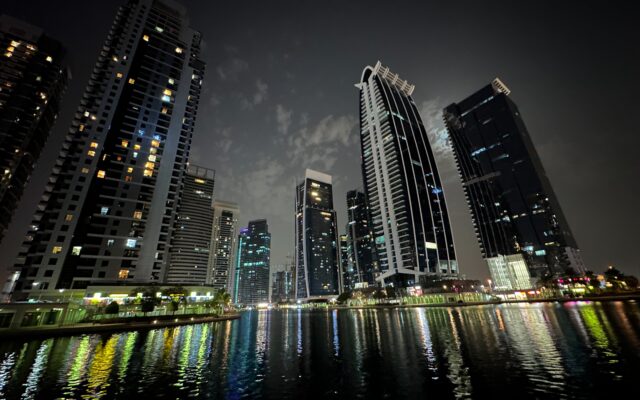
This is where Dubai delivers. Levantine food is everywhere, from small shawarma counters to long-established Arabic restaurants serving mansaf, musakhan, mezze and grilled meats. Jordanian-style mansaf — lamb with jameed sauce — appears on the menus of Jordanian and Palestinian restaurants, especially around Deira, Al Barsha and Jumeirah Lakes Towers, though menus change, so check recent reviews before a special trip.
For home cooking, large supermarkets stock Arabic bread, labneh, olives, spices, tahini and frozen products from across the Levant, and specialist Arabic grocers carry brands you will recognise from Amman supermarkets. During Ramadan, iftar tables across the city feel very familiar, and many Jordanian families host rotating home iftars — an easy, natural way to widen your circle.
Costs vary widely. A casual Levantine meal can be good value, while Friday brunches and hotel restaurants are a treat rather than a routine. As a guide, many families balance eating out by cooking Jordanian dishes at home once or twice a week, buying spices and jameed in larger quantities when they find a good supplier.
📸 Follow @dxbtalk1 on Instagram for daily Dubai in photos →
Neighbourhoods, schools and daily life
Jordanian families in Dubai live across the whole city, so choose by commute and school rather than by nationality. Areas such as Al Barsha, Jumeirah Village Circle, Al Nahda and Mirdif are popular with Arabic-speaking families for their mix of apartments, villas, schools and clinics, while professionals working in Media City or DIFC often prefer living closer to work to avoid Sheikh Zayed Road traffic.
Schooling is a major decision. Options include British, American, IB and Arabic-curriculum schools, and many teach Arabic as a core subject — important if you want children to keep strong written Arabic alongside English. School fees vary significantly, so as a guide, request the full fee schedule including transport and activities before comparing schools. Places fill early for September, so start applications months ahead.
Day to day, the adjustments are practical: summer heat that reshapes your schedule from June to September, and the need for a car or a well-planned Metro route in many areas. Most Jordanians find the systems — Emirates ID, health insurance, Ejari tenancy registration — straightforward once the first file is complete.
Keeping ties with Jordan
Living well in Dubai does not mean loosening ties with home. Many families travel back for Eid, summer weeks in Amman, and family events, and they keep Jordanian documents, banking and property matters organised with a simple annual checklist. Video calls, visiting relatives and sending money home are part of normal life; using licensed UAE exchange houses and banks keeps transfers safe and traceable.
Culturally, Dubai is comfortable ground: prayer facilities are everywhere, halal food is the norm, and respect for family privacy is shared. The differences are mostly pace and diversity — your children’s classmates may come from twenty countries — and most Jordanian expats come to see that as one of the city’s real gifts.
FAQ
Is Dubai easy for Arabic speakers?
Yes. Arabic is an official language, government services are bilingual, and Levantine dialect is widely understood, though English is the main language of business in many workplaces.
Can I find Jordanian food easily?
Yes. Levantine restaurants and Arabic supermarkets are found across Dubai, and dishes such as mansaf are served by a number of Jordanian and Palestinian kitchens — check current menus and reviews before you go.
What is the hardest part of adjusting?
For most families it is cost and summer heat, not culture. Budgeting carefully for rent and school fees, and planning indoor routines for July and August, makes the first year much easier.
Wherever you land in the city, a taste of home is never far away. Explore more neighbourhood, food and family guides on DXB Talk and in our Lifestyle section.
Related Guides
- Life in Dubai for Expats From Armenia: Community, Food and Finding a Taste of Home
- Life in Dubai for Expats From Uzbekistan: Community, Food and Finding a Taste of Home
- Life in Dubai for Expats From Pakistan: Community, Food and Finding a Taste of Home
- What Paraguay Expats Learn the Hard Way in Dubai