Dubai’s Salvadoran community is small compared with the city’s big expat groups, but that does not mean life here has to feel far from home. With the city’s huge Latin American restaurant scene, its churches, Spanish-language networks and year-round sunshine, Salvadorans in Dubai build a warm circle through work, faith, football and food — and most say the trick is to seek out those connections deliberately in the first few months.
Finding Your Community
Start with the wider Spanish-speaking community, which is far larger than the Salvadoran group alone. Latin American social groups, Spanish-language church services and community events advertised through social media are where many Salvadorans meet friends from across Central and South America. Workplaces in hospitality, aviation, logistics and services — sectors where many Latin Americans in Dubai work — are another natural meeting point. Online expat groups for Latinos in Dubai are active and welcoming, and they are often the fastest way to hear about gatherings, room shares and home-country products doing the rounds.
Dubai also hosts large public celebrations through the year — food festivals, national-day events at cultural venues and Latin dance nights — where meeting people requires no invitation at all.
Food From Home
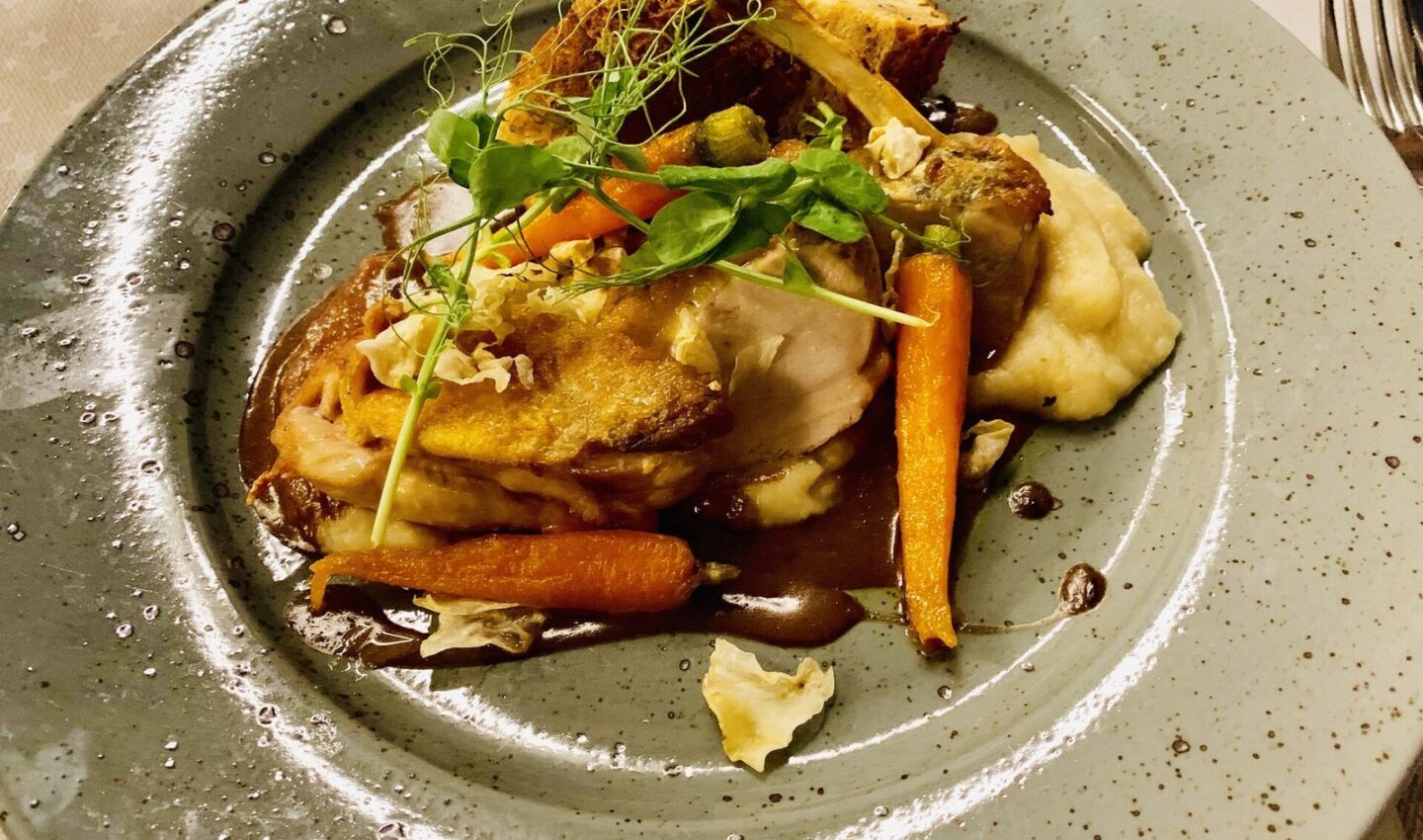
Pupusas are the dish Salvadorans miss most, and while dedicated Salvadoran restaurants are rare in the Gulf, Latin American kitchens in Dubai regularly serve arepas, tamales, empanadas and plantain dishes that come close to home flavours. Supermarkets with international aisles stock corn masa flour, dried beans and Latin sauces in the bigger branches, and online grocery platforms widen the choice further. Many home cooks adapt: local flatbreads and fresh cheeses can stand in surprisingly well for a first attempt at pupusas, and sharing them is a reliable way to make friends of any nationality.
- Explore Latin American restaurants and food trucks for familiar flavours and Spanish conversation.
- Check the international aisles of large supermarkets for masa flour, beans and hot sauces.
- Join community cooking or dance events — food is the community’s social glue.
- Ask in Latino expat groups where people source specific Salvadoran ingredients.
📸 Follow @dxbtalk1 on Instagram for daily Dubai in photos →
Faith, Family and Everyday Life
Dubai’s licensed churches offer services in many languages, and Spanish-language congregations and prayer groups exist within the wider Christian community — parish noticeboards and community groups are the best way to find current times. For families, Dubai’s parks, public beaches and mall play areas make weekends easy, and video calls home are simple given the time difference is manageable in the evenings. Remittance and travel planning form part of the rhythm of life too: most Salvadorans save for the long trip home well in advance, because the journey is the single biggest annual expense.
Adjusting to Dubai’s Rhythms
Summers are far hotter than El Salvador’s tropical heat, so outdoor life shifts to early mornings and evenings between June and September. Ramadan brings a quieter, reflective month where eating respectfully in public and joining community iftars is appreciated. Dress codes are relaxed in most modern areas but modest clothing is expected in government offices, older districts and places of worship. Most newcomers find Dubai safe, orderly and welcoming — and the small size of the Salvadoran community means new arrivals are usually adopted quickly once they make the first introduction.
Work, Weekends and Making Dubai Feel Like Home
Salvadorans in Dubai work across hospitality, aviation, retail, domestic work, logistics and professional services, and many say the city’s work culture — punctual, multinational and English-speaking — is easy to adapt to, with Spanish an unexpected asset in customer-facing roles. Weekends are where Dubai wins people over: free public beaches, desert trips in the cooler months, mall cinemas showing Spanish-subtitled films from time to time, and five-a-side football groups that welcome newcomers of every nationality. Joining one regular activity — a football team, a dance class, a church group — does more for settling in than a dozen one-off outings.
Homesickness tends to arrive in waves, often around El Salvador’s holidays such as the August festivals and Christmas. Planning something for those dates — a shared meal with Latino friends, a video call home at a set hour, pupusas attempted in a Dubai kitchen — turns a difficult week into a good memory. Most long-term residents say the same thing: Dubai rarely replaces home, but with a small circle of friends and a few familiar flavours, it becomes a second home surprisingly quickly.
Language helps too. Dubai runs Spanish conversation meetups and classes, and joining one keeps your Spanish social circle growing while helping friends from other countries who want to learn. It is a small thing, but hearing your own language across a café table is often the moment a new city starts to feel like yours.
FAQ
How big is the Salvadoran community in Dubai?
It is small, and most Salvadorans socialise within the much larger Spanish-speaking and Latin American community. That wider network is friendly, active and easy to find through social media and community events.
Can I find Salvadoran food in Dubai?
Dedicated Salvadoran restaurants are rare, but Latin American restaurants and supermarkets with international ranges cover many familiar ingredients and dishes. Community groups are the best source of up-to-date tips.
What is the hardest part of adjusting?
Most people say the distance from home and the long, expensive flight back, plus the peak summer heat. Building a local circle early and planning travel ahead of time makes both much easier.
For more practical guides to living, working and travelling from the UAE, keep exploring DXB Talk and browse the full Lifestyle archive for step-by-step help written for Dubai residents.