

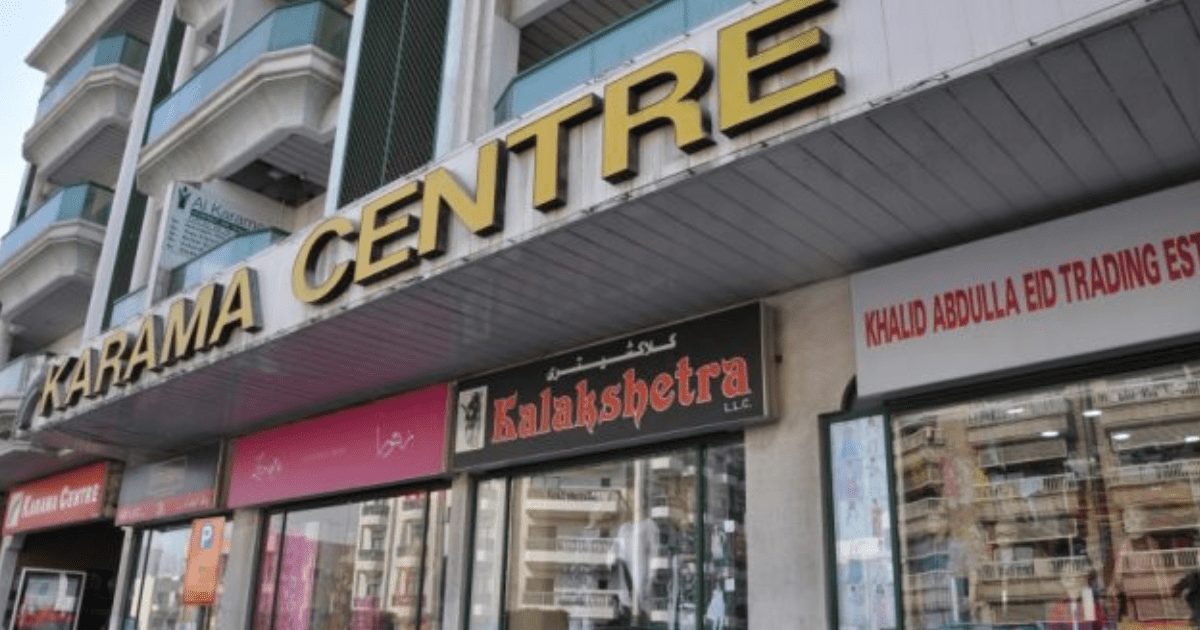
Shopping in Al Karama can be an enjoyable experience — vibrant market streets, friendly vendors, prices that invite negotiation — but the district runs on manners as much as money. Understanding the local shopping etiquette will smooth your visit, deepen it, and occasionally improve your prices, because in Karama the way you shop is part of what you are buying. These are the customs that matter, from the greeting at the door to the goodbye that brings you back.
Greet First, Shop Second
A friendly greeting goes a long way in establishing rapport with local vendors. A simple “As-salamu alaykum” — peace be upon you — offered as you enter, with a smile and a moment’s pause, changes the temperature of the transaction: you have arrived as a guest, not an extractor. Browse before you interrogate prices; let the shopkeeper see you looking, ask about an item’s story or origin, and accept the offered tea or water when it comes — refusing hospitality to save thirty seconds is the false economy of market shopping. Ask for recommendations freely. Vendors know their stock and their street, and the question flatters and informs at once: the best piece, the honest quality, the shop two doors down that has what they do not — Karama’s traders will send you to a competitor before they let you leave the district empty-handed, and remembering who helped you is how regulars are made.
Bargain Like a Guest
Bargaining is expected in markets like Karama Market — it is part of the shopping culture — but it has an etiquette of its own. Keep it friendly and light-hearted: the negotiation is a small shared performance, not a siege. Offer lower, meet in the middle ground, and never bargain hard for an item you have no intention of buying; pricing a thing three rounds deep and then walking away wastes the trader’s theatre and marks you for next time. Never disparage the goods as a tactic — the jacket you are insulting is the man’s livelihood, and he can tell the difference between a negotiating line and contempt. When you reach a price, honour it cheerfully and completely. And remember the arithmetic of goodwill: the dirhams you squeeze from a small trader buy less happiness than the relationship costs, while the fair price paid with grace has a way of returning as the “special price, for you” on your next visit.
📸 Follow @dxbtalk1 on Instagram for daily Dubai in photos →
The Practical Courtesies
The Fitting-Room and Tailor Rules
Karama’s etiquette sharpens around services. At the tailor’s, be precise about what you want, bring the photograph or the garment to copy, and agree the price and the date before the cloth is cut — ambiguity is the only true rudeness available to either side. At the fitting, say plainly what is wrong; the tailor would rather adjust a sleeve twice than have you leave quietly dissatisfied, and your honesty is professional respect, not complaint. The same applies in the electronics and watch stalls: asking for the warranty terms, the receipt and the shop’s card is not suspicion, it is how the district’s honest traders distinguish themselves — and they will offer all three before you ask.
The rest is conduct. Dress modestly, especially in traditional markets — Karama is a residential, family district, and respectful dress is the local default rather than a rule imposed on you. Cash is still king in many shops: while some stores accept cards, carry enough cash, in small bills, for easier transactions and quicker kindnesses. Check quality before you buy — inspect textiles, stitching, zips and finishes carefully, and ask about materials and origins; careful checking is respected here, not resented, because it signals a serious buyer. Ask before photographing a shop, its goods or its keeper. Be patient: crowds form, service slows at the busy hours, and the queue at the tailor’s counter is the district breathing. Take your time and enjoy the atmosphere — embracing the local pace is not a compromise of the experience; it is the experience. Good etiquette supports local businesses and sustains the welcoming atmosphere that makes Al Karama special, and the shopper who practises it leaves with better goods, better prices and, often, a standing invitation.






Join the conversation