
Moving from Congo to Dubai is a journey from Central Africa to one of the world’s great trading cities, and Congolese newcomers arrive for the same reasons as so many others: work, business, safety and a chance to build something for the family back home. The relocation works best in stages — visa and job first, then housing, banking and the everyday systems that make Dubai run. This guide takes you through the move in the order you will actually face it, with honest pointers on costs and paperwork.
Before You Leave: Visa, Job and Documents
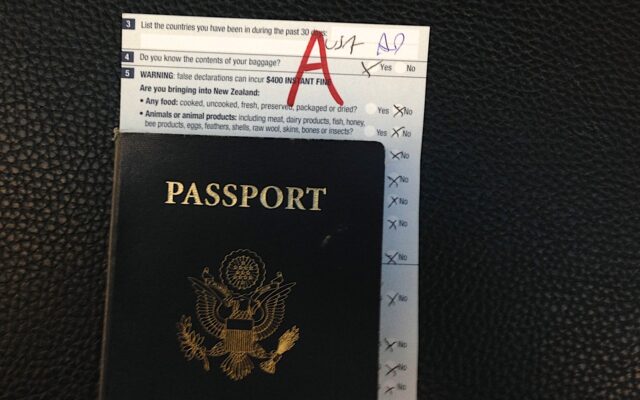
Almost everything depends on your immigration status. Most Congolese newcomers arrive either on a visit or tourist visa arranged through an airline, hotel or licensed agency, or on an employment entry permit organised by a hiring company — and you must never assume visa-free entry. Check the current rules on the official UAE government portal and the ICP (Federal Authority for Identity, Citizenship, Customs and Port Security) website before travelling, and confirm whether your passport is from the Republic of Congo, since rules are applied by nationality. You cannot work legally on a tourist visa. Prepare these documents before departure:
- Passport valid for at least six months, with scanned and printed copies
- Passport photographs with a white background
- Education and professional certificates — attestation may be required for skilled roles
- Birth and marriage certificates if family will join you later
- Any written job offer, kept with your travel documents
Finding Work in Dubai
Congolese jobseekers find work in trade, logistics, hospitality, retail, construction, security, beauty and personal services, and in the African trading businesses of Deira. French is an asset — it serves you with francophone African, European and Lebanese employers and customers. Search through online job portals, recruitment agencies (legitimate ones never charge the worker a placement fee), and community contacts once you arrive. Salaries vary widely: as a guide, entry-level roles might pay around AED 1,500 to AED 3,500 a month, with skilled and supervisory roles earning more. Always confirm in writing whether accommodation, transport and food are included, because that decides what a salary is really worth.
📸 Follow @dxbtalk1 on Instagram for daily Dubai in photos →
Arrival Essentials: Residence, Emirates ID and Banking
If you arrive on an employment permit, your employer processes your medical fitness test, fingerprinting, labour contract, residence visa and Emirates ID. That card is the key to daily life: you need it for a bank account, a tenancy contract, a driving licence and a mobile plan. Open a bank account as soon as your ID arrives so your salary is paid safely — never accept long-term cash payment. Keep your passport in your own possession; no employer or agent is entitled to hold it.
Where to Live and What It Costs
Many African expats, including Congolese residents, settle in Deira, Baniyas, Hor Al Anz, Al Qusais and International City, where rents are manageable and African shops, salons and restaurants are close. As a guide, a bed space might cost around AED 500 to AED 900 a month, a private room typically AED 1,200 to AED 2,500, and a small studio roughly AED 2,000 to AED 3,500 depending on area and season. Sharjah is cheaper but adds commuting time. For a formal tenancy you will need a registered contract (Ejari in Dubai), a deposit and often post-dated cheques — budget for these upfront costs before you arrive.
Settling the Family and Daily Life
Bringing a spouse and children requires meeting the UAE’s minimum salary and housing conditions for family sponsorship, which change over time — verify current figures on the GDRFA or ICP portals. Dubai offers schools at every budget, though fees vary enormously, so research before promising children a place. Healthcare through your employer’s mandatory insurance covers essentials; register with a nearby clinic once you have your insurance card. Within a few months, most newcomers find their rhythm: work, church or community on the weekend, money sent home through licensed exchanges, and a growing circle of Congolese and wider African friends.
First Ninety Days: A Simple Rhythm
Give yourself a structure for the first three months. In month one, finish the essentials: residence, Emirates ID, bank account, a local SIM and a home address you can keep for a while. In month two, stabilise work and money — confirm your pay cycle, open a savings habit even if it starts small, and choose one licensed exchange for sending money home. In month three, invest in your life here: join a church, sports group or community circle, learn your neighbourhood’s clinics, markets and transport links, and set one skills goal, such as improving your English. Newcomers who pace the move this way avoid the two classic traps — spending the first salary all at once, and isolating themselves until homesickness bites.
FAQ
Can I enter Dubai first and find a job later?
You can job-hunt as a visitor, but you cannot start work until an employer converts your status with a proper work permit and residence. Budget carefully for the search period.
How much money should I bring for the first month?
As a guide, around AED 3,000 to AED 5,000 covers basic food, transport and a bed space while you settle, excluding any visa or agency costs arranged in advance.
Which language helps most at work?
English is the working language of most of Dubai, but French is a genuine advantage with francophone businesses and customers — keep both sharp.
For more relocation guides and everyday advice, visit DXB Talk and browse the Dubai category archive.