Life in Dubai for a Comorian expat has a particular shape: you belong to one of the city’s smaller national communities, yet you land in a place where much already feels familiar — Islam is part of daily life, Arabic is widely spoken alongside French for many Comorians, and the rhythms of the Indian Ocean trading world that shaped Comoros also shaped old Dubai. The community may be modest, but the ingredients for a good life here — faith, food, friendship and opportunity — are all within reach once you know where to look.
A Small Community, Strongly Connected
Comorians in the UAE are relatively few compared with the big expat nationalities, and many have family or historical links to the Gulf through generations of trade and marriage across the Indian Ocean. In practice, community life runs through personal networks rather than formal associations: WhatsApp groups, mosque congregations, shared houses and workplaces where news, job leads and help travel fast. New arrivals should ask at their mosque and workplace about Comorian and wider Swahili-coast and East African connections — one introduction usually leads to several more. Because the circle is small, reputation matters: help others when you can, and the community will carry you when you need it.
Faith and Everyday Culture
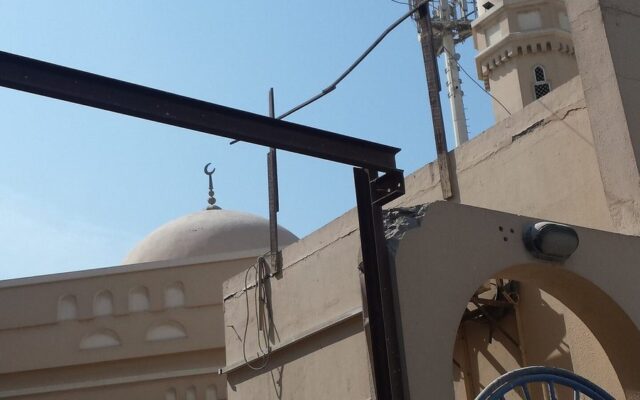
For most Comorians, who are predominantly Muslim, Dubai is an easy place to practise: mosques are everywhere, prayer facilities exist in malls, offices and airports, and Ramadan shapes the city’s calendar with iftar gatherings that welcome everyone. Halal food is the default rather than the exception, which removes a daily worry many migrants face elsewhere. Comorian culture blends African, Arab and French influences, and you will find pieces of each across Dubai — Arabic coffee and dates, French bakeries and language, and East African cooking in the older districts. Friday family gatherings and celebrations such as weddings are the heartbeat of social life; expect invitations to extend generously once people know you.
📸 Follow @dxbtalk1 on Instagram for daily Dubai in photos →
Finding a Taste of Home in Food
Comorian cooking — grilled fish and meats, coconut-rich curries, pilaf-style rice dishes, cassava, bananas and vanilla-scented desserts — does not have dedicated restaurants across Dubai, but its building blocks are everywhere. Look in:
- Deira and Baniyas markets for spices, coconut, plantain, cassava and dried fish, where traders serve African and island customers
- East African and Swahili-style restaurants and cafeterias in Deira and Hor Al Anz for grilled meats, pilau and coconut dishes that taste close to home
- Large supermarkets’ international sections for vanilla, cloves and other island spices — or have family include them in parcels from home
- Home cooking circles — in a small community, the best Comorian food in Dubai is usually in someone’s kitchen, shared on weekends
Cooking at home is also the budget-friendly choice: as a guide, a single worker who cooks most meals might spend around AED 600 to AED 1,000 a month on groceries, while eating out daily can double or triple that.
Work, Money and Settling In
Comorians in Dubai work across trade, retail, hospitality, services and small business, and many combine a job with small-scale trading links back to the islands. Wherever you work, protect yourself: keep a written contract, know that your employer must provide your residence and health cover, and send money home only through licensed exchange houses. Choose housing near your work and your community — older districts such as Deira and Al Qusais offer cheaper rooms (a private room typically around AED 1,200 to AED 2,500 a month as a guide) and put markets, mosques and African shops on your doorstep.
Staying Connected to the Islands
Homesickness is real when flights home involve connections and cannot be taken often. Video calls, community gatherings around Comorian national occasions, and following news from Moroni help. Many families plan one longer trip home every year or two rather than short breaks, and save for it steadily. Teaching children Comorian languages — Shikomori alongside Arabic, French or English at school — keeps the next generation rooted even while they grow up Dubai children.
Building a Life, Not Just a Stay
The Comorians who thrive in Dubai tend to do three things early: they stabilise the basics (legal work, a decent room, a savings habit), they invest in people (community, colleagues, neighbours of many nationalities), and they keep one eye on skills — English or Arabic classes, a certificate, a trade licence — that raise their value year by year. Dubai rewards that patience. The city that first feels vast and anonymous slowly becomes a set of familiar faces, favourite markets and Friday routines, and for many Comorians it becomes a second home in the truest sense: a place their children know, their work matters and their community holds them.
FAQ
Is there a Comorian community association in Dubai?
There is no large formal association; community life runs through mosques, workplaces and informal networks. Ask fellow Comorians and East African community contacts how to join group chats and gatherings.
Can I find Comorian food ingredients in Dubai?
Yes — Deira’s markets and African grocery traders stock coconut, cassava, plantain, spices and dried fish, and East African restaurants serve dishes close to home cooking.
Which areas suit a modest budget?
Deira, Hor Al Anz, Al Qusais and parts of Sharjah offer lower rents and put markets, mosques and community life within easy reach.
Discover more about everyday life in the Emirates at DXB Talk, and browse the Lifestyle category archive for community, food and family guides.
Related Guides
- Life in Dubai for Expats From Armenia: Community, Food and Finding a Taste of Home
- Life in Dubai for Expats From Uzbekistan: Community, Food and Finding a Taste of Home
- Life in Dubai for Expats From Pakistan: Community, Food and Finding a Taste of Home
- Al Nahda for Young Professionals: Living, Commuting