

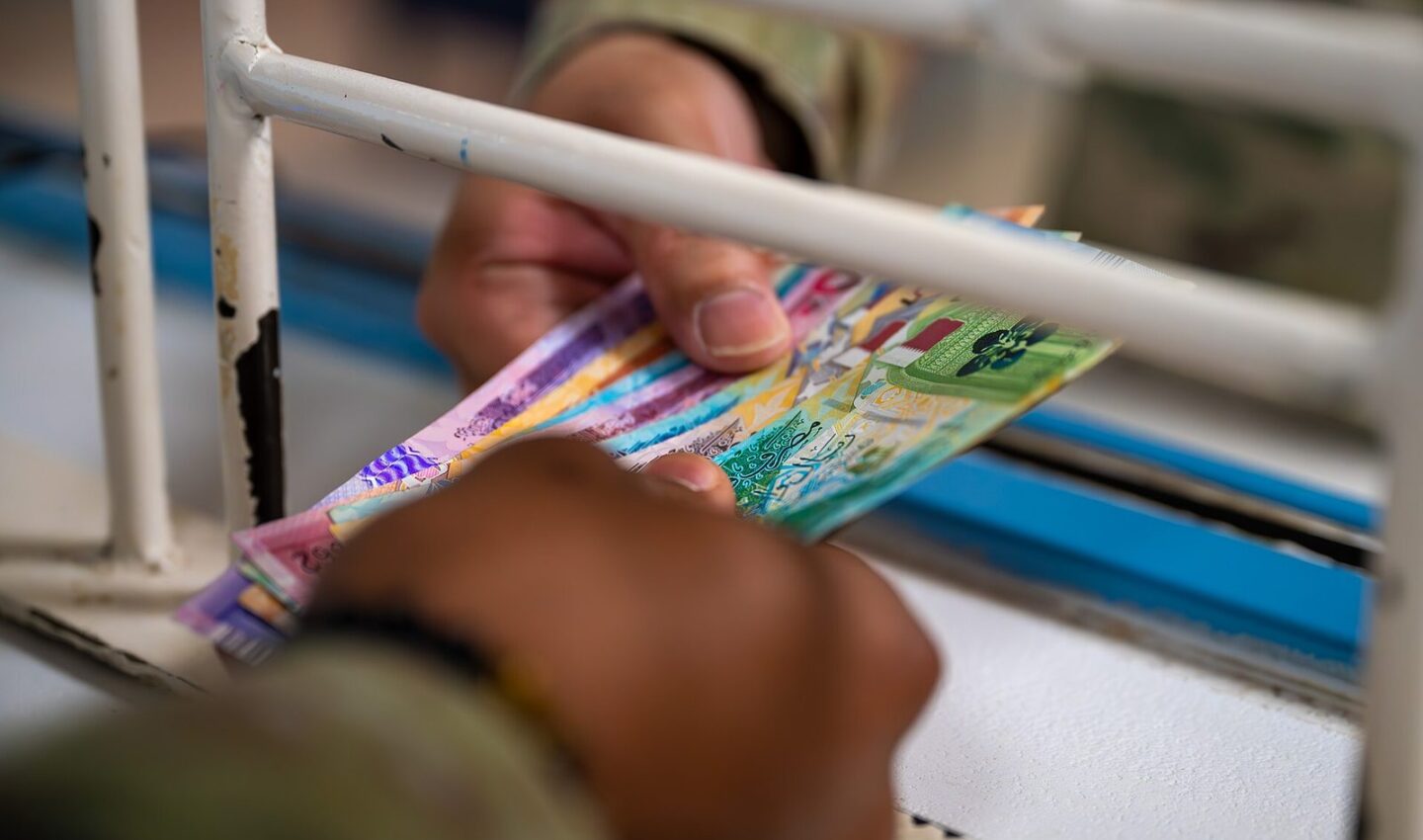
Sending money from Dubai to the Central African Republic takes a little more care than transfers to larger markets, because fewer services cover the country and payouts may be limited to cash collection in Bangui or a bank transfer where accounts exist. The Central African Republic uses the Central African CFA franc, and many providers settle in a major currency for conversion locally. Comparing the amount your family will actually receive — after fees and exchange margins — and confirming a convenient, safe payout point are the two steps that matter most.
Options for sending money home
Begin with providers licensed in the UAE: banks, regulated exchange houses and established international money transfer companies. Not all of them list the Central African Republic as a destination, so confirm coverage on the provider’s website, app or in branch before making plans. Where available, the main methods are:
- Cash pick-up through an international transfer network’s local agent locations
- Transfer to a bank account in the Central African Republic, where the recipient has one
- Mobile money payout, where the provider and local networks support it
- In-branch exchange house transfers arranged over the counter in Dubai
Understanding the real cost
For smaller destination markets, fees can be higher and exchange margins wider than for major corridors. As a guide, sending around AED 1,000 through an exchange house or transfer service typically carries a noticeable fee, and the rate offered for CFA francs — or for the currency your family will collect — may differ from reference rates. Always ask for the exact amount to be received and any charges on the receiving side, and compare two or three providers on the same day before choosing. A slightly slower service is often cheaper if the need is not urgent.
📸 Follow @dxbtalk1 on Instagram for daily Dubai in photos →
Safety first
Send only through regulated channels. Informal couriers and unlicensed intermediaries put your money entirely at risk, and there are regular reports of losses through social-media transfer offers. In Dubai you will normally show your Emirates ID to send, and larger amounts may require information about the source of funds — this is standard anti-money-laundering practice, not a problem. Share the transfer reference only with your recipient, advise them to take their identification to the payout point, and keep your receipt until they confirm collection.
Practical tips for regular support
Because payout networks can be limited, agree with your family which agent location is safest and most reliable for them, and whether collection hours fit around their day. Sending earlier in the week avoids weekend processing gaps, and sending a few days before the money is needed leaves room for verification delays, which are more common on first transfers to a new recipient. Keep a simple log of dates, amounts and references; if a transfer ever goes missing, that record speeds up the provider’s trace. For school fees or medical costs, consider sending slightly more than the bill to cover local charges, and confirm large expenses directly with the institution where possible.
Alternatives and honest limits
If no convenient formal service covers your family’s town, do not improvise with unregulated couriers carrying cash — the risk of total loss is real. Safer alternatives include sending to a recipient who can travel to a payout point in Bangui or a larger town, using a bank transfer where an account exists, or paying a school, clinic or supplier directly from Dubai by international transfer when the institution accepts it. Availability of each option changes, so verify with the provider and the institution first. It is also worth asking your exchange house staff openly what they recommend for this corridor; experienced counter staff often know which network currently pays out most reliably and which to avoid.
One more habit helps: tell your recipient the exact reference and the sender name as it appears on the transfer before they travel to collect, since a mismatch in spelling can send them home empty-handed after a long journey.
FAQ
How long does a transfer to the Central African Republic take? Cash pick-up can be same-day once processed; bank transfers typically take several working days. First transfers may be slower due to checks.
What currency will my family receive? Usually Central African CFA francs or the major currency the service settles in; confirm the exact received amount and currency before paying.
What ID do I need to send from Dubai? Your Emirates ID is normally required, with extra source-of-funds questions possible on larger transfers.
Find more guidance on money matters for Dubai residents at DXB Talk, and browse the Dubai category for related guides.
Related Guides
- Sending Money Home to Dominican Republic From Dubai: Fees, Rates and the Safest Transfer Options
- Sending Money Home to Palau From Dubai: Fees, Rates and the Safest Transfer Options
- Sending Money Home to Maldives From Dubai: Fees, Rates and the Safest Transfer Options
- DEWA and Internet in Bur Dubai: Setting Up Home




