Life in Dubai for expats from Brunei is a study in contrasts: the two places share a warm climate, a strong respect for faith and family, and English used widely in daily life, yet Dubai is bigger, faster and far more international than Bandar Seri Begawan. The Bruneian community here is small, so settling in is less about finding a ready-made neighbourhood of your own and more about building a circle through work, faith, school and the wider Southeast Asian community — something most Bruneians here say happens faster than they expected.
The Community You Will Find
Do not expect a Bruneian quarter or a street of Bruneian shops; numbers are simply too small for that. Instead, your community will likely be a blend of colleagues, fellow Malaysians, Indonesians, Filipinos and other Southeast Asians, plus Dubai’s enormous mix of other nationalities. Brunei and Malaysia share language and much culture, so Malay-speaking social circles, restaurants and community events are the closest thing to a home community here, and Bruneians are usually welcomed warmly into them. If your home mission or an official Bruneian association organises gatherings — for example around National Day or religious occasions — those events are advertised through official channels, so it is worth registering your presence with the mission and following its announcements. School gates, sports clubs and hobby groups are the other reliable way in: Dubai friendships often start from shared routines rather than shared nationality.
Food From Home
Bruneian favourites such as nasi katok, ambuyat and satay are not dishes you will find on every corner, but you can get satisfyingly close. Practical ways to eat like home include:
- Malaysian restaurants and cafeterias across Deira, Karama, Al Barsha and International City serving nasi lemak, rendang, laksa and roti canai
- Asian supermarkets stocking sambal, belacan, coconut milk, kicap manis and other store-cupboard essentials from the region
- Home cooking with friends — many Southeast Asian expats host rotating dinners where everyone brings a dish from home
- Ordering hard-to-find ingredients online through regional grocery sellers that deliver across Dubai
Supermarket chains here carry good international ranges, and smaller Asian grocers in older districts often surprise with the breadth of their shelves. Pork and alcohol are sold only in licensed, clearly separated sections and venues in Dubai, and many Bruneians simply carry on the habits they are comfortable with from home — the city makes that easy either way.
📸 Follow @dxbtalk1 on Instagram for daily Dubai in photos →
Faith, Family and Daily Life
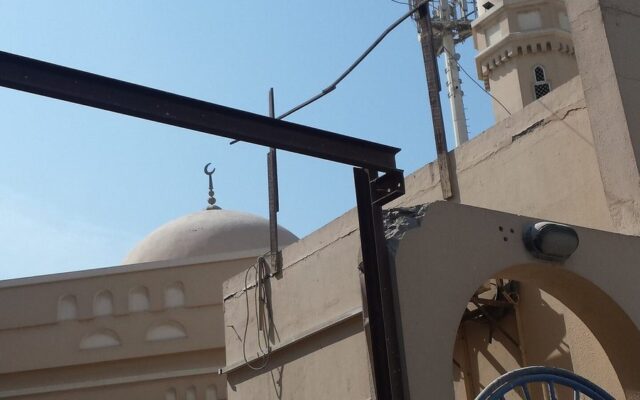
For Muslim Bruneians, Dubai feels familiar quickly: mosques are everywhere, halal food is the default, prayer facilities are common in malls and workplaces, and Ramadan shapes the city’s rhythm with iftars, shorter working hours for many and a generous, communal atmosphere. Friday routines, Islamic festivals and the call to prayer will feel like home, though on a grander scale. Family life is well supported — parks, beaches and malls are built with children in mind, and domestic help is widely available and commonly employed by expat families, typically arranged through licensed agencies. Healthcare is modern and largely private, so employer insurance is a key part of any job package; check what yours covers, especially for dependants. Education is a bigger decision than in Brunei because schooling here is private and fee-paying: as a guide, international school fees range from around AED 15,000 a year at modest schools to well over AED 80,000 at premium ones, so confirm whether your employer contributes before you sign a contract.
Adjusting to the Pace and the Climate
Two adjustments stand out for Bruneians. The first is weather: both countries are hot, but Brunei’s tropical rain is replaced here by dry desert heat, with summer temperatures that make the middle of the day an indoor affair from roughly June to September. Life adapts — early morning walks, evening beach trips and everything in between in air conditioning. The second is scale and pace: commuting, bureaucracy and social life all move faster, and distances are bigger, so most residents drive or rely on the Metro and taxis rather than walking. Costs also need watching: rent is likely your largest expense, typically paid in one to four cheques a year, and the ease of spending in Dubai’s malls and restaurants catches many newcomers out in their first months. A simple monthly budget, set early, is the habit long-term expats credit most.
Staying Connected to Brunei
Keep ties strong with video calls home — the time difference is manageable, with Brunei about four hours ahead of Dubai, so evenings here are late nights there and mornings work well in reverse. Follow Bruneian news online, plan trips home around school and work holidays, and book flights early since the route needs a connection and fares rise at peak times. Many families also keep a foot in both worlds through remittances, property or family businesses back home, which makes reliable banking in both countries worth setting up properly from the start.
FAQ
Is there a Bruneian association or community group in Dubai?
The community is small and informal, gathering mainly through official mission events, Malay-speaking circles and Southeast Asian community activities rather than a large standalone association.
Will I find halal food and mosques easily?
Yes — halal food is the norm across Dubai and mosques and prayer rooms are widely available, which most Bruneian Muslims find reassuring and familiar.
What surprises Bruneians most about Dubai life?
Usually the summer heat, the cost of rent and schooling, and the sheer pace — balanced by safety, convenience and how international their social circle becomes.
Settling into the city is easier with local know-how: visit DXB Talk for resident guides, and browse our Lifestyle category for more on everyday life in Dubai.