
Moving from Botswana to Dubai is a long-distance relocation between two places that, in their different ways, both value stability, sunshine and getting paperwork right. Batswana come to the Emirates for work in hospitality, aviation, mining-related trade, finance, education and healthcare, and those who settle best share one habit: they sort their documents and their job paperwork before they board the plane. This guide walks through the whole move, from the visa that gets you in to the bank account and driving arrangements that make daily life work.
Start with the legal route in
Almost everyone arriving from Botswana enters on an employment arrangement: a UAE employer applies for your work permit and residence visa, and you should never pay a stranger who promises to arrange a job and visa as a package. If you are coming to look for work, come on the appropriate visit or job-seeker status, confirm the current rules on the UAE’s official government portal before you travel, and keep enough savings to support yourself — as a guide, budget around AED 8,000 to AED 12,000 to cover your first couple of months comfortably while things fall into place. Business owners and investors have separate routes through free zones and mainland licences, which deserve proper advice before money changes hands.
Documents to prepare in Botswana
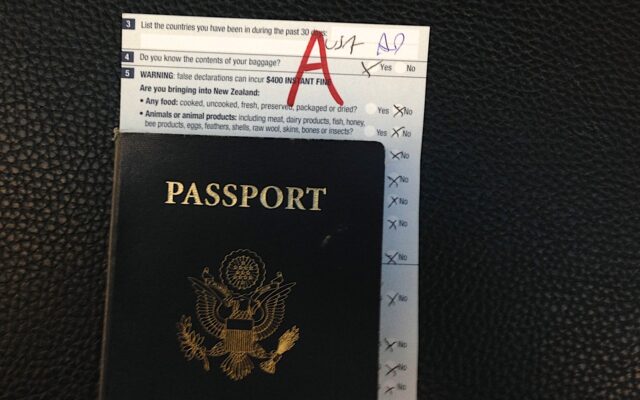
Bring more paperwork than you think you need, correctly attested. The UAE asks for attested educational certificates for professional roles, and personal documents such as birth and marriage certificates for family sponsorship. Attestation runs through Botswana’s authorities, the UAE diplomatic channel, and finally the UAE Ministry of Foreign Affairs after arrival — a chain explained in our dedicated attestation guide. Also bring:
- A passport valid for at least six months, with several blank pages.
- Attested degree or diploma certificates if your job requires them.
- Birth and marriage certificates if your family is joining you.
- An up-to-date CV, references and any professional licences.
- Medical records and vaccination history, especially for children.
- A police clearance certificate if your employer or sector asks for one.
📸 Follow @dxbtalk1 on Instagram for daily Dubai in photos →
Money, housing and the first month
Open your plans around Dubai’s rental system: most homes are let on annual contracts, commonly paid in one to four cheques, and you will need your residence visa and Emirates ID to sign a proper tenancy and register it through Ejari. As a guide, a one-bedroom apartment in mid-range areas such as Jumeirah Village Circle, Dubai Sports City or Al Nahda typically costs around AED 3,000 to AED 5,500 per month, while serviced hotel apartments are a sensible landing pad for the first few weeks at a higher weekly rate. Your employer will usually start your bank account process once your Emirates ID is issued; until then, carry an internationally usable card from Botswana and enough dirhams for deposits, transport and groceries. Remittance apps and exchange houses in Dubai make sending money back to Botswana straightforward once your account is live.
Work culture and daily life
Dubai’s working week runs Monday to Friday for most offices, with the weekend on Saturday and Sunday. Punctuality, tidy presentation and respect for hierarchy matter, and so does respecting local customs — modest dress in government buildings and older neighbourhoods, and awareness of Ramadan rhythms when the holy month comes. Botswana’s easygoing pace will feel different here: everything from groceries to government services runs through apps, queues are orderly, and air conditioning is a way of life from May to October, when midday temperatures climb far beyond anything Gaborone produces. The upside is safety, reliable infrastructure and a huge choice of food, faith communities and weekend activities, from beaches to desert trips that will feel oddly familiar to anyone who loves the Kalahari.
Family, schools and health
If your family follows, plan school places early: Dubai’s international schools follow British, IB, American and other curricula, charge fees that vary widely, and popular ones have waiting lists. Health insurance is mandatory in Dubai and your employer must provide at least a basic policy for you; sponsoring dependants means arranging cover for them too. Register your family with a nearby clinic once you have your Emirates IDs, and keep everyone’s attested documents and insurance cards together in one folder — you will reach for them constantly in the first year.
FAQ
Should I find a job before moving from Botswana?
It is strongly recommended. A confirmed employer sponsors your work permit and residence visa, whereas arriving without a plan means supporting yourself while you search. Check official UAE portal guidance for any job-seeker visa options.
How much money should I bring for the first month?
As a guide, around AED 8,000 to AED 12,000 covers temporary accommodation, deposits, transport and living costs until your first salary, depending on your lifestyle and housing choices.
Can my family join me?
Yes, if you meet the salary and housing requirements for sponsoring dependants and can provide attested marriage and birth certificates plus health insurance for each family member.
Start exploring before you land via the DXB Talk home page and our Dubai guides, which cover visas, renting, banking and settling in step by step.