Dubai is home to one of the largest Afghan communities outside Afghanistan, with roots in the trading souks that go back decades. For Afghan expats, that means something precious when you live far from home: your language is spoken in the street, your food is cooked on the corner, and Friday gatherings feel familiar. This guide explores where Afghan life in Dubai is centred, how the community supports newcomers, and the small everyday things that help the city feel like a second home.
Deira: The Beating Heart of Afghan Dubai
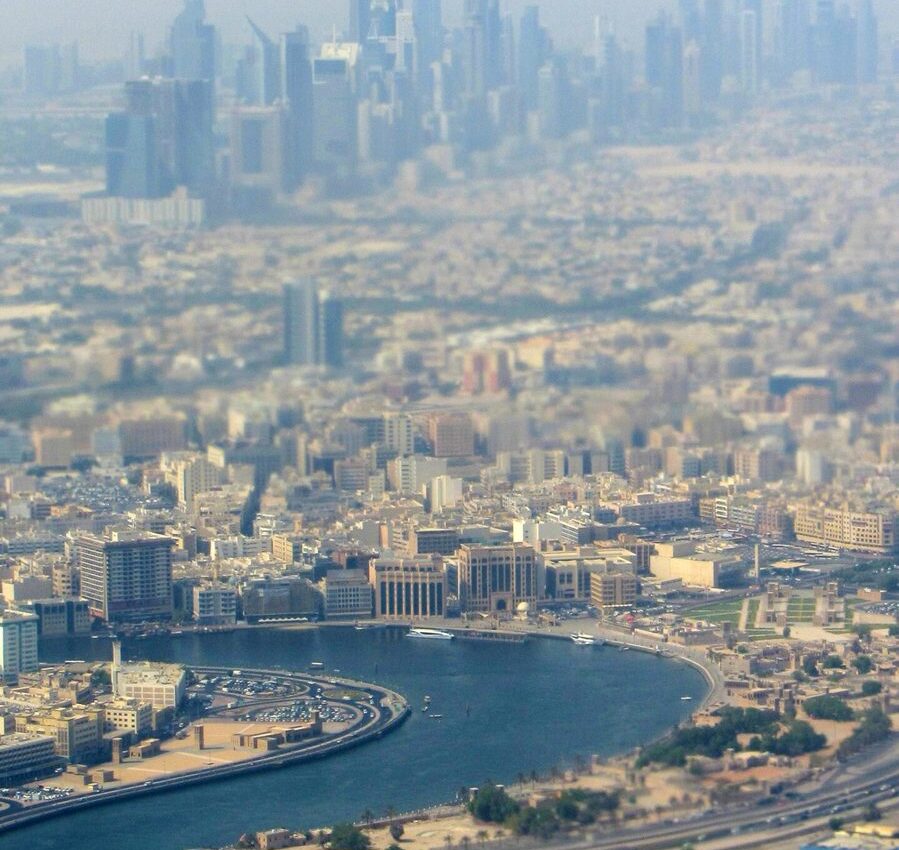
Start in Deira, around Baniyas Road, Al Ras and the lanes behind the gold and spice souks. Afghan trading families helped build this district’s commerce, and today you will find Afghan wholesalers, textile shops, money exchanges and travel agents within a few streets of each other. Dari and Pashto are working languages here. Nearby Hor Al Anz and Abu Hail are popular residential areas for Afghan families, while across the border in Sharjah, districts such as Al Nahda and Industrial Area estates host a large Afghan population drawn by lower rents. If you are new, spend a weekend morning walking Deira with no agenda — it is the quickest orientation to Afghan Dubai you can get.
Food That Tastes Like Home
Afghan restaurants are one of Dubai’s quiet glories. Around Deira, Satwa and Sharjah you can sit down to:
- Kabuli pulao with sweet carrot and raisin over fragrant rice
- Chapli kebabs, mantu dumplings and ashak leek dumplings
- Bolani stuffed flatbreads and fresh tandoori naan from Afghan bakeries
- Green tea with cardamom, served the slow way after a meal
A full meal at a neighbourhood Afghan restaurant typically costs around AED 25 to AED 60 per person as a guide, and bakeries sell fresh naan for a few dirhams — an affordable daily comfort. Afghan grocery shops stock the essentials for home cooking: dried mulberries and apricots, Afghan saffron and spices, long-grain rice, beans for lobia, and the right tea. Ramadan brings the community together, with iftar spreads at Afghan restaurants filling fast.
📸 Follow @dxbtalk1 on Instagram for daily Dubai in photos →
Community, Faith and Finding Your People
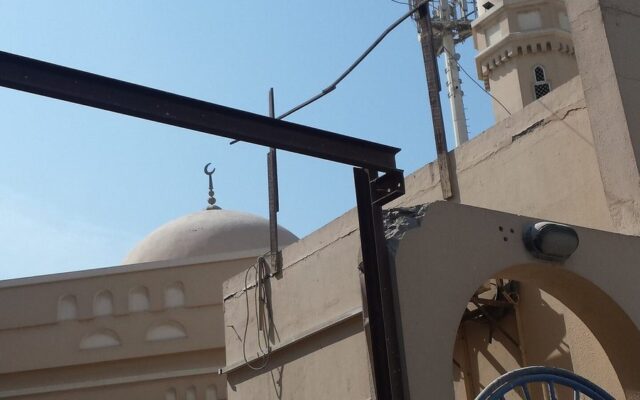
Mosques across Deira and Sharjah draw Afghan worshippers, and community ties often form around Friday prayer, weddings and funerals as much as organised events. Afghan cultural associations and informal community elders help newcomers with everything from job leads to mediation and charity collections when a family is in crisis — this mutual support, including community fundraising for emergencies back home, is a defining strength of the diaspora here. Social media groups for Afghans in the UAE are active for housing, jobs and lift-shares, but apply normal caution: verify offers, meet in public and never pay deposits to strangers. If you run a business, the Afghan trading network is famously supportive — suppliers and customers alike often come through a single introduction.
Raising a Family in the City
Afghan families weigh the same questions as every Dubai parent: school fees, space and community. Many choose Sharjah for larger, cheaper apartments — as a guide, a two-bedroom flat there might rent for around AED 25,000 to AED 45,000 a year, compared with notably more in most of Dubai — and accept the commute. Children usually attend English-medium schools, and parents who want Dari or Pashto maintained rely on home teaching, weekend tutors and community classes, since Afghan-language schooling is not part of mainstream curricula. Healthcare is through employer insurance; larger hospitals have Dari- and Pashto-speaking staff or interpreters if you ask. Parks along the Sharjah and Dubai creeks, and beaches at Al Mamzar, are favourite low-cost family outings.
Staying Connected to Afghanistan
Flights home, remittance counters and Afghan satellite channels keep the link strong, and most families follow a rhythm of sending money monthly and travelling when leave and budgets allow. Celebrating Nowruz and both Eids with full Afghan food spreads is standard practice, and hosting is generous even in small flats. The honest challenges deserve naming too: paperwork and visa renewals can be stressful, news from home weighs heavily, and many families live with long separations. The community’s answer has always been the same — show up for each other.
FAQ
Where do most Afghans live in Dubai?
The community is concentrated in Deira, Baniyas, Hor Al Anz and Al Qusais, with a very large population across the border in Sharjah, especially Al Nahda and Rolla.
Can I find Afghan food and groceries easily?
Yes — Afghan restaurants, bakeries and grocery shops operate across Deira, Satwa and Sharjah, selling everything from kabuli pulao to Afghan tea, saffron and dried fruits.
How do newcomers meet the community?
Start with Afghan restaurants and mosques in Deira, community social media groups and trading contacts. Introductions through family or business networks remain the most trusted route.
With its trading roots, food and mutual support, Afghan Dubai offers newcomers a ready-made sense of belonging. For more neighbourhood guides, food finds and community life across the city, visit DXB Talk and browse the Lifestyle category archive.