

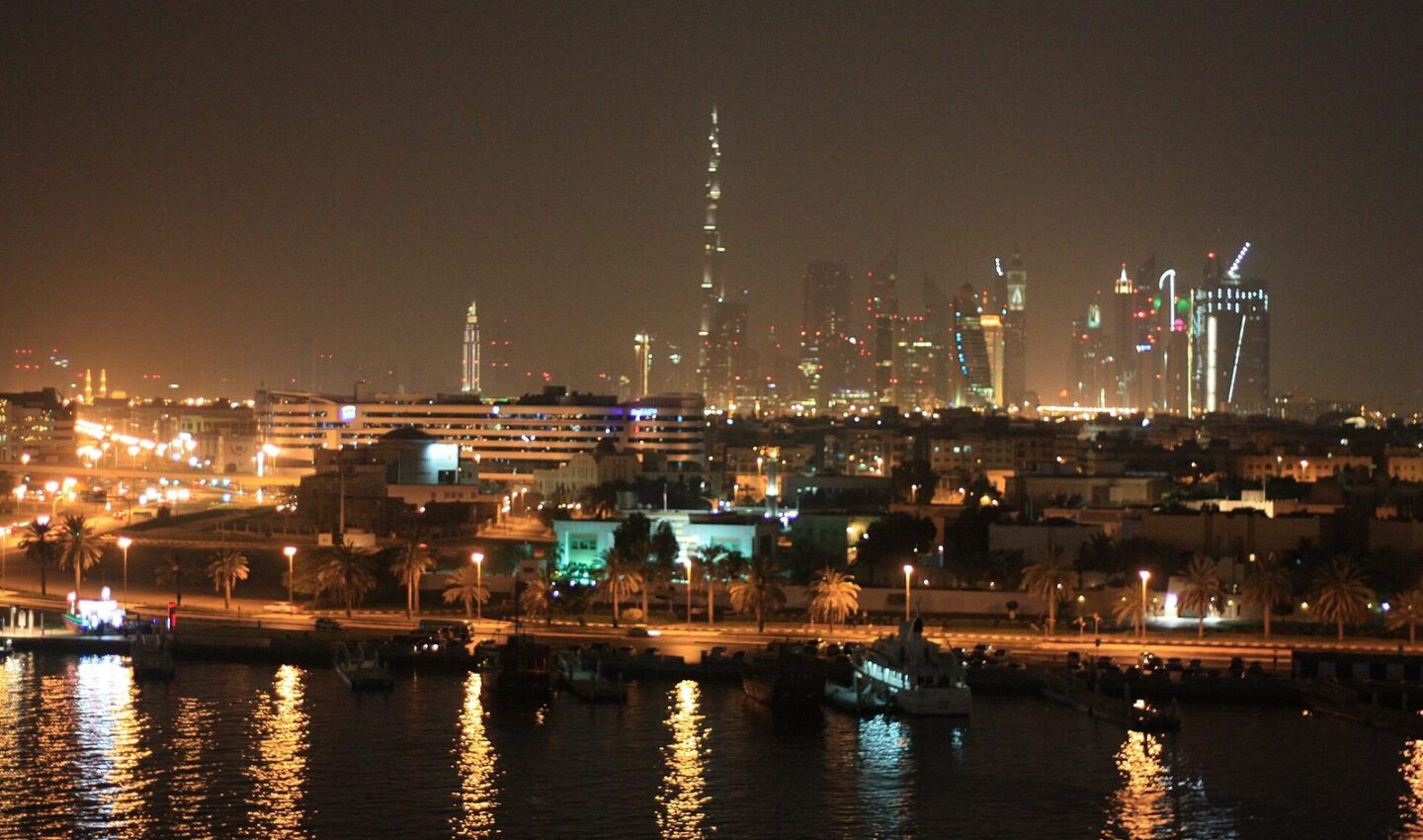
Naif is one of the oldest and busiest parts of Deira, centred around Naif Square and a dense grid of shops, souks and small apartment buildings. Moving here suits people who want low rents, strong public transport and everything within walking distance, and who are comfortable with a lively, crowded neighbourhood. This checklist will help you plan the move properly — from choosing a building and sorting your tenancy paperwork to understanding parking, markets and daily routines — so your first weeks in Naif feel organised rather than overwhelming.
Choosing a flat and checking the building
Most homes in Naif are studios and one- or two-bedroom flats in older low- and mid-rise buildings, often above shops. Rents are typically among the more affordable in Dubai as a guide, but condition varies a lot from building to building, so view in person, ideally twice at different times of day. Check the water pressure, air conditioning, windows, lifts and any signs of damp or pests. Ask who maintains the building, how quickly repairs are handled, and whether chiller or air-conditioning charges are included in the rent or billed separately.
- Confirm the landlord or agency is the registered owner or authorised to rent the flat
- Check the exact rent, number of cheques and any agency or deposit amounts in writing
- Ask about parking — many buildings have none, which matters if you own a car
- Test mobile signal and ask current tenants about noise, lifts and maintenance
- Photograph the flat’s condition on move-in day and keep the images dated
Paperwork: Ejari, DEWA and your tenancy
Once you sign a tenancy contract, register it with Ejari, Dubai’s official tenancy registration system. You will typically need your passport and visa copies, Emirates ID, the signed contract and the landlord’s title deed or details. Keep the Ejari certificate safe, because you will need it for many services. Next, open your DEWA account for electricity and water in your own name; a refundable deposit is typically required, often around AED 2,000 for a flat as a guide, plus a small activation fee — check the current amounts on the DEWA portal before you apply, as fees can change. Arrange internet through du or Etisalat by e&, and keep copies of every receipt.
If you are sharing or taking a room in a shared flat, be extra careful: make sure the arrangement is legal, that you have a written agreement, and that the main tenancy allows it. Unauthorised partitions and overcrowded flats are a real issue in busy districts and can cause problems for everyone living there.
📸 Follow @dxbtalk1 on Instagram for daily Dubai in photos →
Getting around from Naif
Transport is one of Naif’s biggest strengths. Baniyas Square Metro station on the Green Line is right in the area, with Sabkha and Union stations also within reach, and Union connects you to the Red Line for the rest of the city. Buses run along the main roads, abras cross Dubai Creek nearby for a small fare, and taxis are easy to find at almost any hour. Driving is possible but streets are narrow and parking is limited and in high demand, so many Naif residents manage happily without a car. If you do drive, learn the paid parking zones and hours and consider whether a nearby car park season ticket makes sense.
Daily life: markets, food and essentials
You will not go short of shopping. Naif is famous for its markets selling textiles, perfumes, electronics, luggage and everyday goods, plus countless small supermarkets, bakeries, pharmacies and affordable restaurants serving South Asian, Arabic and Filipino food among many others. The area stays busy late into the evening, which many residents love, though light sleepers should check how noisy their street is at night before signing. For larger weekly shops, bigger supermarkets and malls in Deira are a short ride away. Healthcare clinics and small hospitals are nearby in Deira, and the nearest larger public facilities are easy to reach by Metro or taxi.
FAQ
Is Naif a good area for families?
Some families live happily in Naif for its affordability and transport, but it is dense and busy, with fewer parks and schools on the doorstep than family-focused suburbs. Visit with your children and check school commute times before deciding.
Do I need a car if I live in Naif?
No. The Green Line Metro, buses, abras and taxis cover most journeys well, and parking is scarce. Many residents choose not to run a car and save the cost.
What should I check before signing a tenancy in Naif?
Verify the landlord’s right to rent, read the contract fully, confirm what bills are included, register with Ejari promptly and photograph the flat’s condition. Keep all documents and receipts together from day one.
Move methodically — view carefully, register your tenancy, set up DEWA early — and Naif’s energy and value can work very well for you. For more neighbourhood checklists and settling-in help, visit DXB Talk and explore our Dubai Areas guides.





