

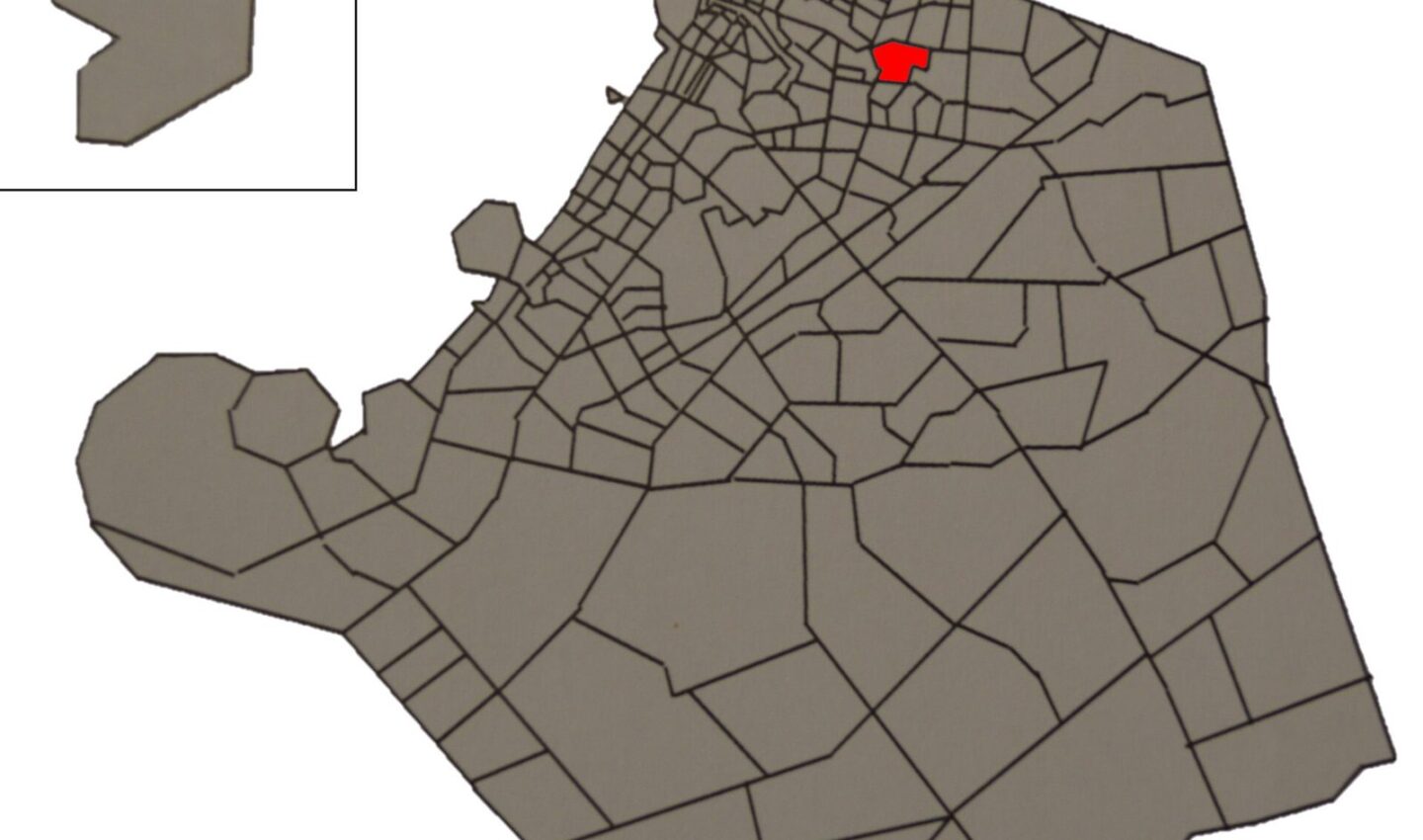
If eating well without a long drive matters to you, Mirdif should be on your list. This long-established residential area in the east of Dubai, near the airport and Mushrif Park, has grown a food scene that serves residents first: Emirati and Arabic restaurants, Indian and Pakistani kitchens, Filipino bakeries, cafeterias doing brisk takeaway trade, specialty coffee shops, and the full spread of Mirdif City Centre dining. You will not find licensed nightlife here — Mirdif is a dry, family area — but for everyday eating, it is hard to beat.
The Shape of Eating Out in Mirdif
Mirdif divides loosely into older Mirdif near the villas and private schools, and Uptown Mirdif, the open-air retail and residential development with a piazza feel. Between them, Algeria Street and the roads around the main villa streets carry most of the independent restaurants and cafeterias. The pattern is local: many places fill with families from the neighbourhood, portion sizes are generous, and prices typically sit well below those in the city’s tourist districts as a guide.
Mirdif City Centre adds the mall layer — food court staples, family restaurants, coffee chains and dessert shops under one air-conditioned roof, with parking and a cinema trip easily combined. Uptown Mirdif offers a more café-led scene, good for breakfast meetings, working on a laptop, and evening coffee and dessert outdoors in the cooler months. Between the independents, Uptown and the mall, most cravings are covered within ten minutes of home.
What You Will Actually Eat Week to Week
Weeknight Mirdif runs on mandi and machboos houses, grills and kebab shops, South Indian vegetarian restaurants, Pakistani curry houses, and cafeterias serving shawarma, fresh juice and sandwiches at prices that make cooking feel optional. Weekend breakfasts are a local ritual — Arabic breakfast trays, South Indian dosa sets, and café eggs-and-coffee menus all compete, and the good places queue by 10am. Bakeries selling fresh khubz, manakish and Arabic sweets do a constant trade, and dessert shops peak late in the evening.
- Everyday value: cafeterias and grill houses where a filling meal typically costs around AED 25–50 as a guide
- Family dinners: Arabic and Indian restaurants with large-table seating for groups
- Coffee scene: specialty cafés in Uptown Mirdif and around the main streets, plus every major chain in the mall
- Sweet tooth: kunafa, baklava and Arabic ice cream shops, busiest after 9pm
- Groceries to match: supermarkets and small baqalas stocked for the cuisines of the neighbourhood
Delivery is a way of life here. All the major apps serve Mirdif strongly, and many local restaurants run their own drivers for the immediate area. If you live in the villa streets, give clear location pins and gate instructions; in Uptown apartments, check your building’s delivery access point to keep food arriving hot and fast.
📸 Follow @dxbtalk1 on Instagram for daily Dubai in photos →
Living in Mirdif Beyond the Food
Mirdif is one of Dubai’s older, settled communities, made up mainly of villas — many rented as whole family homes — plus low-rise apartments in Uptown Mirdif and Shorooq. It has a calm, residential character, strong private schools in and around the area, clinics, and Mushrif Park at its edge, one of the city’s best parks for cycling, barbecues where permitted, and family days out. The airport is close, which suits frequent travellers and aviation staff, though check flight-path noise on a viewing visit if you are a light sleeper.
There is no Metro station in Mirdif itself; the nearest stations are on the Green Line towards Festival City and the Rashidiya side, so most households drive. Roads out connect via Al Khawaneej, Sheikh Mohammed Bin Zayed Road and Tripoli Street towards the rest of the city. Rents, as a guide, typically offer more space for the money than newer villa areas further south, especially for larger family homes, but confirm current listings and always complete Ejari through the official channels.
The Trade-Offs of Living Next to Restaurants
Living near popular food streets has small costs worth weighing. Friday evenings and Ramadan nights bring extra cars to the restaurant rows and to Uptown Mirdif, so a villa on the main strip will feel busier than one two streets back. Cooking smells and late-evening café chatter are part of ground-floor apartment life near the piazza; higher floors or internal-facing units are quieter. Parking near the most popular independents can be competitive at peak times, which is a minor irritation when it is your own street.
On the plus side, the convenience compounds: guests are easy to entertain, teenagers can walk for food safely, Ramadan iftar options are everywhere, and you will spend less on delivery fees and long drives than friends in newer, thinner-served communities. For many long-term residents, Mirdif’s food scene is not a bonus but the main reason they stay and renew year after year.
Tips for New Residents
Spend your first month eating your way methodically around the area: one cafeteria lunch, one Uptown breakfast, one mall dinner and one independent restaurant a week, and note your favourites before routines set in. Ask neighbours for their go-to places — in Mirdif, recommendations are proudly given and usually right. During Ramadan, book iftar ahead at popular Arabic restaurants and expect the whole area to come alive after sunset. And keep a small list of late-opening places for airport runs and guests arriving at odd hours; in this neighbourhood, you will use it.
FAQ
Does Mirdif have licensed restaurants serving alcohol?
No. Mirdif is a residential, dry area and its restaurants and cafés do not serve alcohol. For licensed dining, residents typically travel to hotels and districts elsewhere in Dubai.
Is Mirdif good for affordable everyday eating?
Yes, it is one of the city’s stronger areas for value, with cafeterias, grill houses and Indian and Arabic restaurants where everyday meals typically cost noticeably less than in prime districts, as a guide.
Where do residents go for café culture in Mirdif?
Uptown Mirdif is the main café hub, with outdoor seating and specialty coffee, while Mirdif City Centre covers the chains and dessert cafés. Independent coffee shops also line the main streets.
Good food, settled streets and real community make Mirdif one of east Dubai’s most liveable areas. For more neighbourhood guides and restaurant areas to explore, visit DXB Talk and browse our Dubai Areas guides.





