

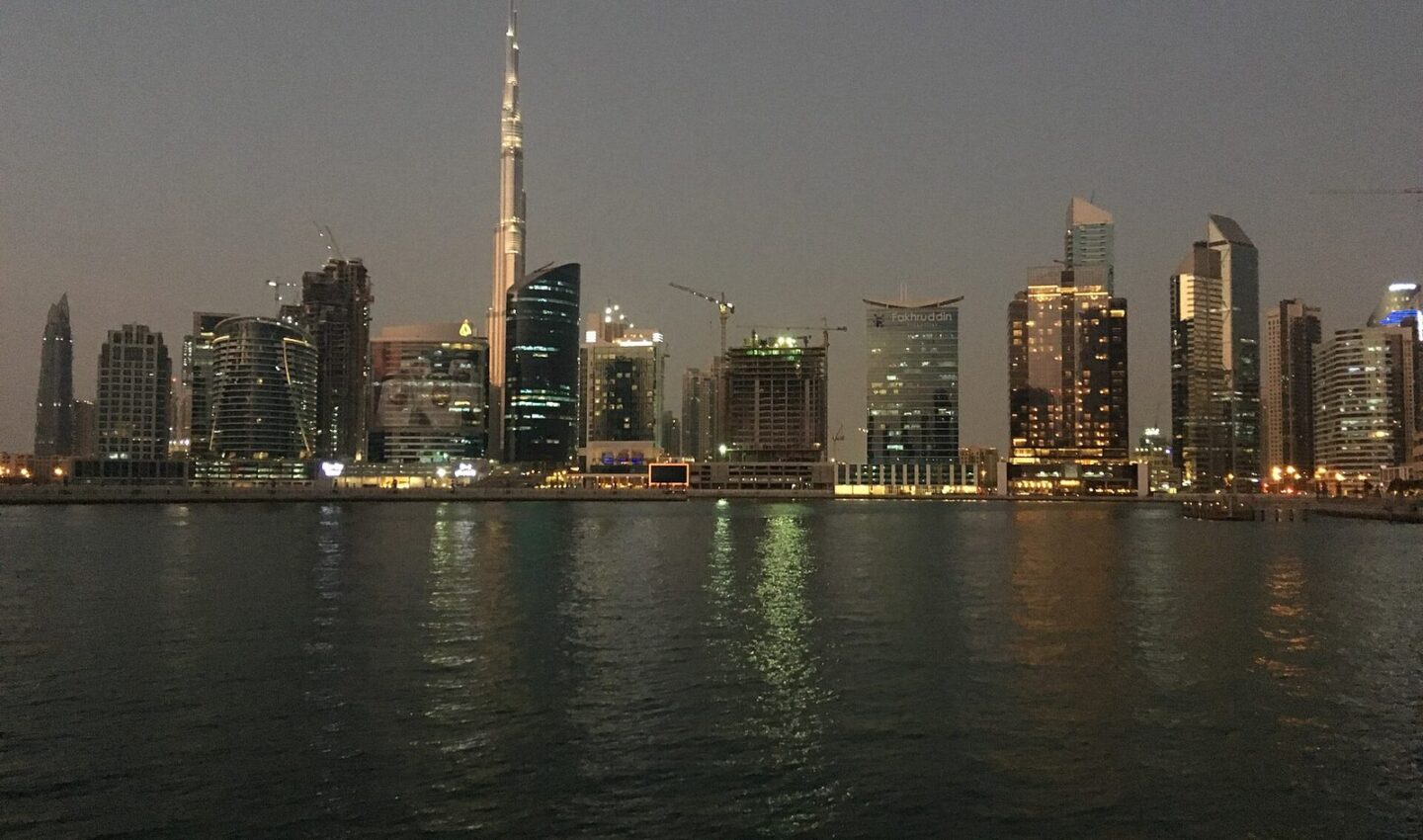
If you live in an apartment in one of Dubai’s master communities, part of your monthly cooling cost probably arrives as a chiller charge rather than through your DEWA bill. Chiller fees confuse more residents than almost any other line item, mainly because the system behind them — district cooling — is invisible until the bill lands. This guide answers the questions residents ask most often, so you can read your statement with confidence and spot anything that looks wrong.
What exactly is a chiller fee?
District cooling plants chill water centrally and pump it through insulated pipes to whole neighbourhoods. Buildings in areas such as JLT, Business Bay, Downtown Dubai and Dubai Marina often rely on providers like Empower or Emicool instead of individual air-conditioning units. Your chiller fee is your share of that service. It usually has two parts: a consumption charge based on how much cooling your unit actually used, measured in refrigeration tons, and a fixed capacity or demand charge linked to the size of your apartment. The fixed part is payable even in winter when you barely run the AC, which surprises many newcomers.
Why is my bill high when I was away?
This is the single most common complaint. Even with the thermostat off, the capacity charge continues, and many buildings also record a small baseline flow. Check three things before disputing a bill. First, confirm the meter reading period matches your absence dates. Second, look for a faulty thermostat or a fan-coil unit that kept calling for cooling. Third, ask whether the bill includes an annual adjustment or a corrected estimate from earlier months. Providers sometimes bill on estimates and reconcile later, which can produce one unusually large statement followed by normal ones.
Who pays the chiller fee — tenant or landlord?
In most Dubai tenancy contracts, the tenant pays chiller charges because they are a consumption utility, similar to electricity and water. However, the contract is what counts. Some landlords include chiller in the rent, particularly in buildings where the whole unit is billed to the owner. Before signing, check the Ejari and the addendum for a chiller clause, and ask whether the account will be transferred into your name. If the account stays in the landlord’s name, agree in writing how bills will be passed on and paid, because late payment can lead to cooling being throttled or disconnected, and reconnection usually carries a fee.
- Ask which district cooling provider serves the building before you sign a lease
- Confirm whether the capacity charge is included in rent or billed separately
- Keep your own meter readings with dated photos for the first few months
- Register for the provider’s app so you can track consumption weekly
- Ask about the deposit required to open an account in your name
How can I lower my chiller bill?
Consumption is the part you control. Set the thermostat around 24 degrees; each degree lower noticeably increases usage. Service your fan-coil units and clean filters, because a clogged filter makes the system run longer to reach the same temperature. Close curtains on sun-facing windows during the afternoon, seal gaps around the balcony door, and avoid running cooling in empty rooms if your unit has zone controls. If your bill still looks out of line with neighbours in similar units, request a meter accuracy check from the provider — you are entitled to ask, though a fee may apply if the meter proves accurate. As a guide, a one-bedroom apartment might typically see chiller costs in the region of a few hundred dirhams a month in summer, but buildings vary widely, so treat any figure as an estimate only.
What happens if I do not pay?
Unpaid chiller bills follow a similar path to other utilities: reminders, a late-payment charge, and eventually restriction or disconnection of cooling, which in a Dubai summer is a serious problem. When you move out, you will normally need a final bill and a no-objection or clearance confirmation before your deposit is released, so settle the account a few days before handover. If you genuinely dispute a charge, pay the undisputed portion and raise the dispute in writing through the provider’s customer portal, keeping copies of everything.
FAQ
Is chiller included in my DEWA bill?
No. DEWA bills electricity and water. District cooling is billed separately by the cooling provider for buildings connected to its network.
Can I choose my chiller provider?
No. The provider is fixed for each building or community, so check the arrangement before renting rather than after.
Why do I pay a capacity charge in winter?
It covers the reserved cooling capacity and network costs for your unit, and it applies year-round regardless of how much cooling you use.
Understanding your chiller bill is mostly about knowing which parts are fixed and which parts respond to your habits. For more everyday guides to renting, bills and getting settled, visit DXB Talk and browse the wider Dubai section for help with life across the city.





