

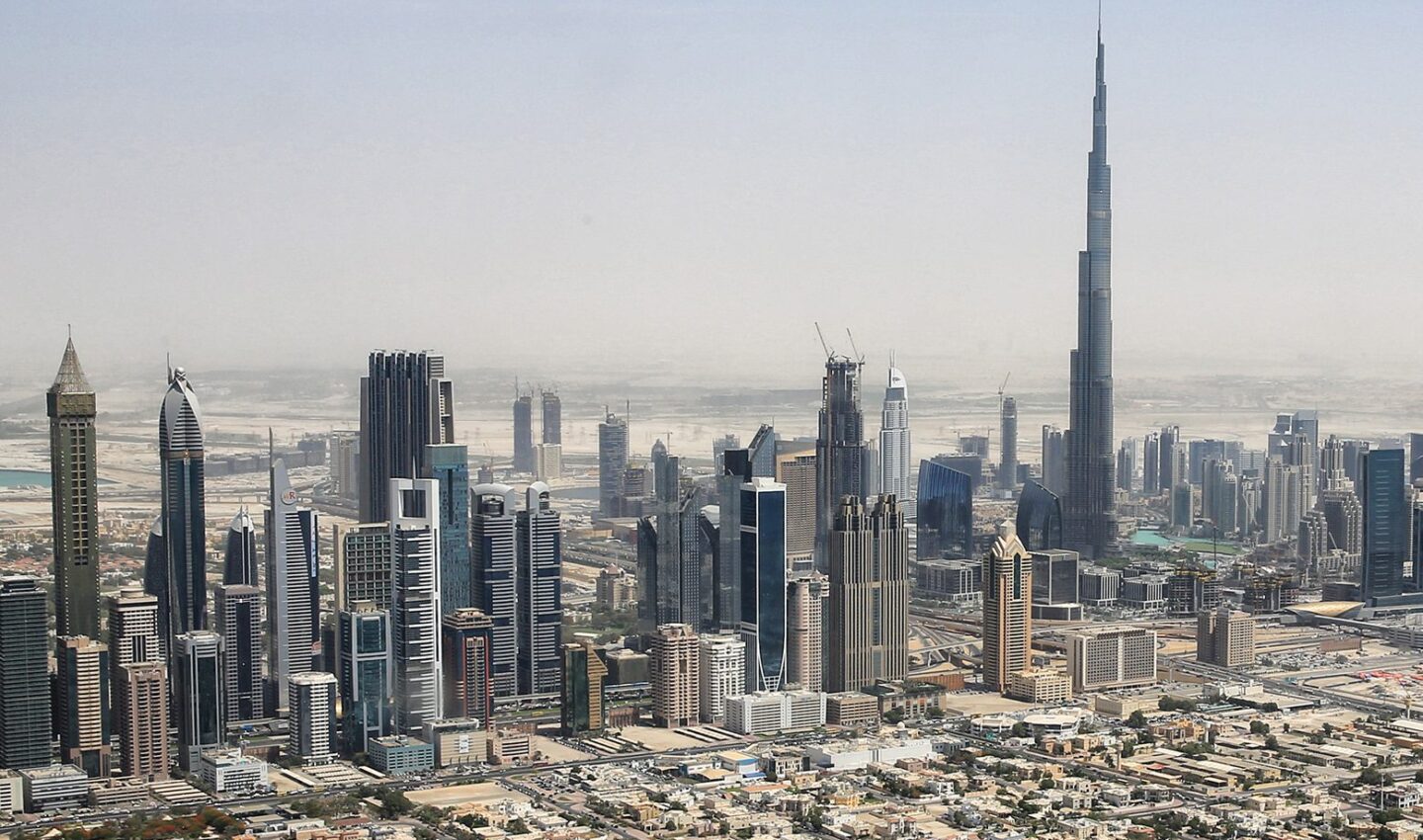
Satwa can be a happy place for the right family — one that values character, great food and a central location over new towers and compound gates. This old, lively neighbourhood west of Sheikh Zayed Road and south of Jumeirah is famous for its independent shops, tailors and cafeterias, and it is home to many long-settled families. The honest answer is that Satwa suits some families brilliantly and others not at all, and the difference comes down to housing type, school logistics and how much you enjoy a busy street life.
What living in Satwa actually feels like
Satwa’s housing is mostly low-rise: villas, villa compounds and older apartment buildings along and behind Al Satwa Road and Plant Street, rather than modern high-rises. Streets are busy and sociable, with small groceries, bakeries, salons and restaurants serving a well-established, multicultural community. Families who have lived here for years praise being able to walk to daily essentials in a city where that is not guaranteed.
The trade-offs are real too. Buildings vary in age and upkeep, parking can be competitive on popular streets, and there is no Metro station in Satwa itself — the nearest stations are on Sheikh Zayed Road, a bus or short drive away. If your family routine depends on a new building with a pool, gym and covered parking included, newer districts will fit better; if you want space for your money and a neighbourhood with a pulse, Satwa deserves a viewing.
- Mostly villas and low-rise buildings, often larger than newer equivalents
- Excellent independent food, tailoring and everyday shops on foot
- Central: Jumeirah, Sheikh Zayed Road, DIFC and Downtown are close
- Older housing stock — maintenance checks matter when viewing
- No Metro station inside the neighbourhood
Schools, nurseries and the school run
There are nurseries in and around Satwa and Jumeirah, and families here use a spread of schools across Jumeirah, Al Wasl, Al Safa and further afield in Al Barsha, covering British, American, Indian and other curricula. Because there is no single obvious school next door for most addresses, choose the school first, then test the actual morning drive from the specific street you are considering — Satwa’s location makes many schools reachable, but peak-hour traffic on the main roads decides what is realistic.
Ask schools about bus coverage for Satwa; several long-established schools serve this part of the city and routes do exist. Fees differ widely by curriculum and year, so use school websites for current figures as a guide. For younger children, the neighbourhood’s walkable errands and nearby Jumeirah beaches and parks fill weekends easily, even though large destination play parks require a drive.
📸 Follow @dxbtalk1 on Instagram for daily Dubai in photos →
Parks, beaches and family downtime
Satwa Park gives families a local green space with play areas and sports facilities, and it is genuinely used by the community. Beyond it, you are minutes from the Jumeirah coastline — public beaches, Kite Beach further along, and the cafes of Al Wasl — plus Safa Park, one of Dubai’s great family parks, just to the south. In the cooler months, that combination covers most families’ outdoor needs without crossing the city.
For clubs and classes, children use the academies and studios across Jumeirah, Al Wasl and Business Bay. Older children gain a degree of independence here that villa suburbs rarely offer: buses, nearby shops and a walkable grid mean teenagers are less dependent on lifts for every small trip, which many parents count as a genuine advantage.
Safety, healthcare and the practical checks
Satwa is a settled residential neighbourhood with the generally low street-crime pattern typical of Dubai, and its busy, populated streets feel active into the evening. The sensible family checks are the ordinary ones: road safety for children on the busier commercial streets, the condition and security arrangements of the specific building or villa, and lighting on your particular street — visit after dark before deciding.
Healthcare is a strength of the location: clinics and pharmacies are plentiful locally, and well-known hospitals in Jumeirah and on Sheikh Zayed Road are close. When viewing older properties, check water pressure, air conditioning age and output, pest control arrangements and who handles maintenance, and confirm parking for your actual number of cars. Rents in Satwa are typically more accessible than in the newest districts for comparable space — treat listings as a guide and compare total costs, including any cooling or service charges, building by building.
FAQ
Is Satwa suitable for families with school-age children? It can be, especially if your school is in Jumeirah, Al Wasl or Al Safa, or runs a bus to Satwa. Secure the school first, then test the morning drive from the street you like.
Is Satwa safe for families? It is a long-settled, busy residential area with Dubai’s generally low street crime. Do the normal checks — visit day and night, and assess the specific building’s security and upkeep.
What is the main downside of Satwa for families? Older housing and no Metro station in the neighbourhood. If you need a new building with resort-style facilities, look at newer districts; if you value location, space and character, Satwa competes well.
Explore more family neighbourhood guides on DXB Talk and in our Dubai Areas archive.





