

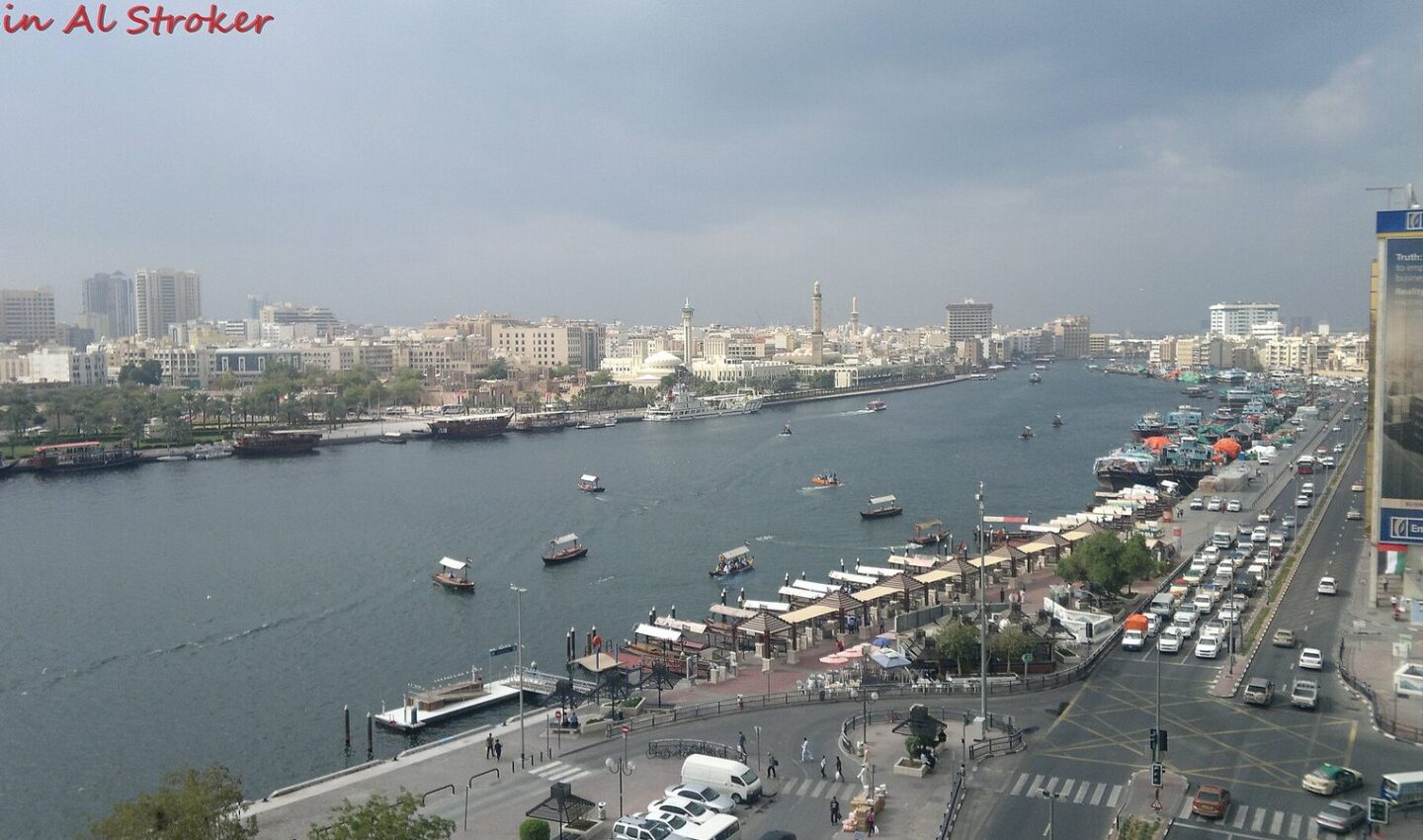
Baniyas Road runs along the Deira side of Dubai Creek past government buildings, abra stations, souks and some of the oldest hotels in the city — and if you live or stay along it, your daily rhythm is shaped by one practical question: where does the car go? The good news is that this stretch is unusually rich in public parking, from RTA surface lots and multi-storey car parks to the abra-side bays. The catch is understanding zones, tariffs and peak times before you circle the block for the third time.
Baniyas Road in Everyday Terms
This is working, historic Dubai rather than a suburb: the Etisalat and municipality buildings, Baniyas Square, the Gold and Spice Souks a short walk inland, and the abra stations carrying passengers across the Creek to Bur Dubai for a token fare. People “living” on Baniyas Road are in the hotels and serviced apartments along the Creek front, in the residential blocks just behind it in Al Rigga and Al Sabkha, or running businesses in the trading streets. All of them share the same streets, the same delivery vans and the same parking system.
The Creek frontage is also a leisure strip in the cooler months, with dhow cruises departing in the evening and the promenade busy after sunset. That evening surge is part of the parking story.
How Public Parking Works Here
Parking along and around Baniyas Road is managed by the RTA, in paid zones identified by the signposts on each street — typically Zone A and B tariffs apply in this central commercial area, with on-street bays priced higher than off-street lots. As a guide, central on-street parking typically costs a few dirhams per hour with a maximum stay on the busiest stretches, while the multi-storey and surface car parks work out cheaper for longer stays. Tariffs, hours and free periods change by decision of the authorities, so always read the sign on your street and confirm current rates in the RTA app or the Parkin system rather than relying on any figure in a guide.
- Paid hours traditionally run through the day and evening with a free window overnight and on Sundays and public holidays — verify the current pattern on the zone sign
- Pay via the RTA app, Parkin app, SMS, nol card or the meters; app payment lets you extend without returning to the car where the zone allows
- Maximum-stay limits apply on prime on-street bays, so all-day parking belongs in a car park, not at the kerb
- Fines for expired or unpaid parking are issued efficiently in central Deira — set a phone alarm five minutes before expiry
📸 Follow @dxbtalk1 on Instagram for daily Dubai in photos →
Where Residents and Regulars Actually Park
The multi-storey car parks serving the Baniyas and Al Sabkha area — including the well-known facilities near Baniyas Square and Naif side — are the backbone for anyone staying more than a couple of hours, and for residents whose buildings have no parking of their own. Seasonal and monthly parking permits and cards exist for eligible users in RTA facilities and zones; traders and residents who qualify typically find a permit far cheaper and calmer than feeding hourly bays, and the RTA portal lists the current categories and fees.
Building parking is the other half of the picture. Older blocks behind Baniyas Road vary wildly: some include a basement space in the rent, others offer none at all. If you are signing a lease in Al Rigga or Al Sabkha within walking distance of Baniyas Road, treat the parking question as seriously as the rent — ask whether a space is included, whether a second car is possible, and what the RTA permit situation is on your exact street. A cheap flat with nowhere legal to put the car is not cheap.
Peak Times, Abras and Alternatives
Parking pressure peaks on weekday mornings around the government and banking offices, on Friday and Saturday evenings when the souks and Creek cruises draw crowds, and during sales and festival periods when Deira fills up. The smart local pattern is to avoid needing a bay at those times at all: Al Rigga and Baniyas Metro stations (Red and Green Lines) sit directly on this strip, abras cross the Creek all day, and buses run the length of Baniyas Road. Many residents keep the car parked under a permit and use the Metro for anything beyond Deira, which is faster than driving across the Creek bridges at rush hour anyway.
Visitors should note the dhow cruise departure points and hotel drop-offs create short, busy surges — arrive early for an evening cruise and use a car park rather than gambling on a kerbside bay.
Practical Tips for Living Here With a Car
Download the parking apps before you need them, register your plate correctly, and screenshot your payment confirmation. Learn the two nearest car parks to your building, not just the bays outside it. Keep small errands combined — Deira rewards walking, and most daily needs sit within ten minutes on foot. And if your building offers paid parking later or a space comes up in a nearby facility, take it: in central Deira, guaranteed parking is a quality-of-life upgrade, not a luxury.
FAQ
Is parking free on Sundays near Baniyas Road?
Public parking in Dubai is generally free on Sundays and official public holidays in standard zones, but always confirm the current rule on the zone signage or the RTA app, as policies are updated.
Can residents get a long-term parking permit?
The RTA offers seasonal cards and permits for specific zones and car parks, subject to eligibility and availability. Check the current categories, fees and application route on the official RTA portal.
Where should visitors park for the souks and abras?
Use the multi-storey car parks near Baniyas Square and Al Sabkha for stays over an hour, or arrive by Metro to Al Rigga or Baniyas stations and skip parking entirely.
Living by Baniyas Road means the Creek, the souks and two Metro lines at your feet — solve the parking once and the location gives you old Dubai at its most convenient. For more area guides, visit DXB Talk and browse our Dubai Areas guides.




