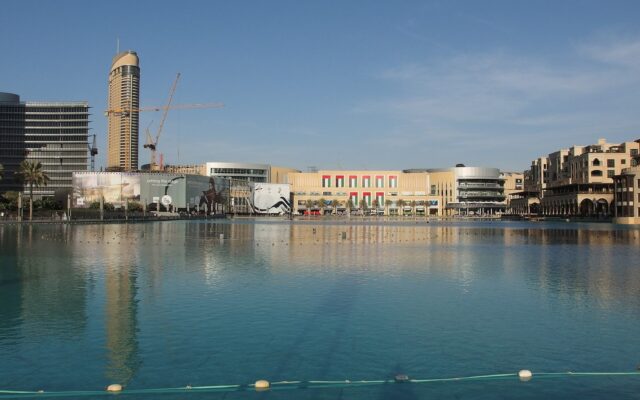
Dubai Harbour, the marina district between the Palm Jumeirah and Bluewaters, is not where most residents would first look for a money exchange — yet if you live in the Harbour’s towers, Dubai Marina or the Palm, you will need currency services more often than you expect: paying a nanny’s family remittance, changing travel money, receiving funds from home, or helping visiting relatives. The honest picture is that exchange houses cluster just outside the Harbour itself, mainly across Dubai Marina and in JBR and Barsha Heights, all within a ten-minute drive.
Where Residents Actually Go
Dubai Harbour is a young district — cruise terminals, superyacht berths and a growing set of residential towers — and its retail is still filling in. Day to day, residents use the exchange branches inside Dubai Marina Mall and along the Marina’s main streets, where several of the UAE’s big exchange networks operate side by side. JBR’s The Walk adds more branches aimed at tourists, and Barsha Heights has further counters serving its dense residential population. This clustering is useful: with two or three exchange houses within a short walk of each other, you can compare the board rates on the same morning and choose the best one, which genuinely matters on larger amounts.
All licensed exchange houses in the UAE operate under Central Bank regulation, display their rates openly, and issue a printed receipt for every transaction. Using them rather than informal channels is not just safer — for remittances it is usually cheaper too, once bank wire fees are compared honestly.
Services Beyond Changing Holiday Money
- Remittances: Same-day or instant transfers to bank accounts and cash pick-up points in India, Pakistan, the Philippines, Bangladesh, Egypt and dozens of other countries — the core business of UAE exchange houses.
- Currency exchange: Major currencies bought and sold over the counter; less common currencies may need a day or two’s notice at smaller branches.
- Wage and salary services: Many employers pay staff through exchange-house payroll systems under the UAE Wage Protection System.
- Bill payments and top-ups: Utility payments, mobile recharges and airline or government fee payments at some counters.
- Apps and online transfers: The big networks now let registered customers send money from their phone at the same rates, after a one-time in-branch registration with Emirates ID.
📸 Follow @dxbtalk1 on Instagram for daily Dubai in photos →
What It Costs and How Rates Work
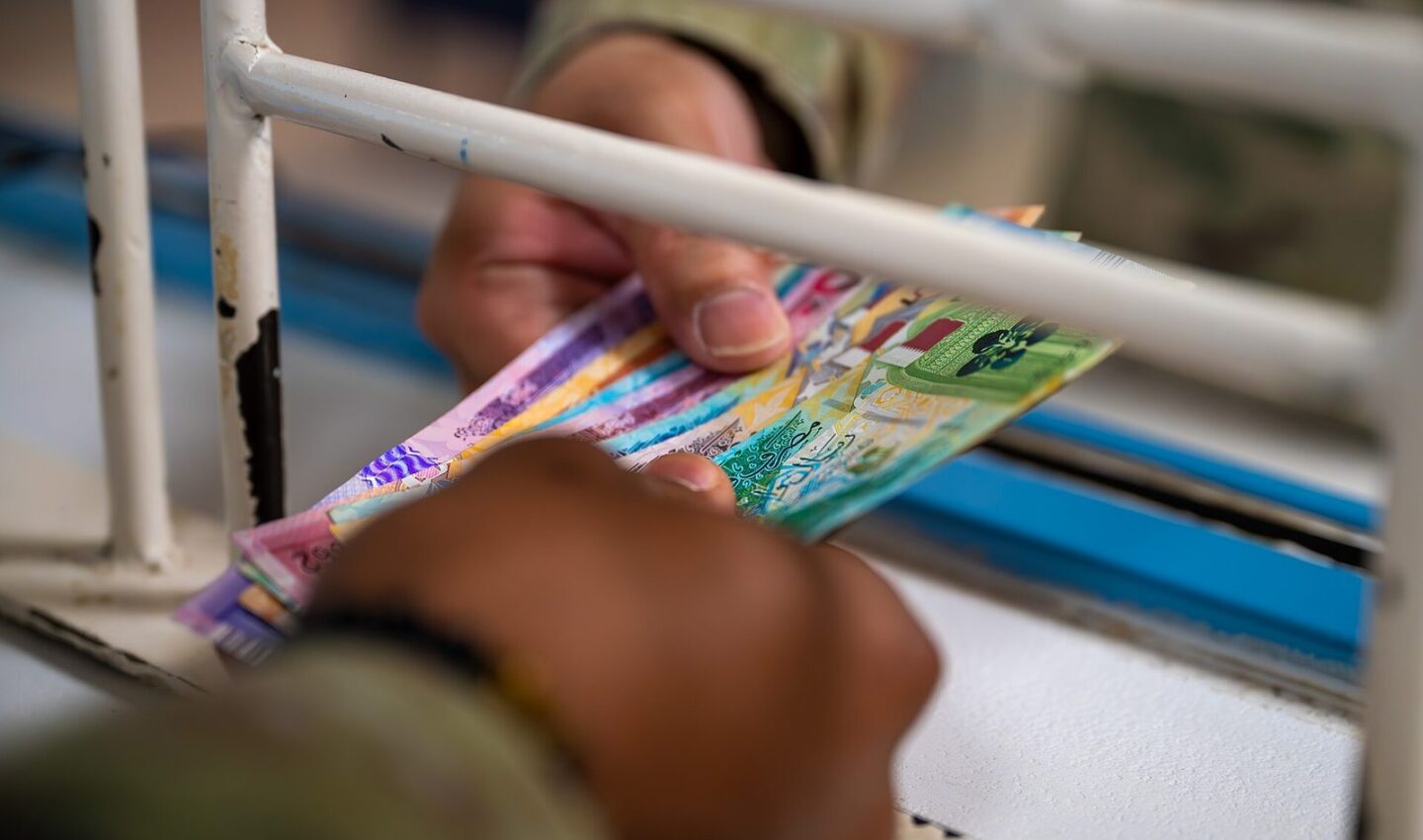
Two numbers matter: the exchange rate and the fee. For popular remittance corridors, the transfer fee is typically around AED 15 to AED 25 per transaction as a guide, and the rate is usually very close to the interbank rate for currencies like the Indian rupee or Philippine peso — the margin is small because competition is fierce. For cash currency exchange, rates vary more between outlets, especially at tourist-facing counters in JBR, so the ten minutes spent comparing boards on a large transaction is well paid. All figures change daily with the markets; treat these as estimates and read the board — and the receipt’s stated rate — before you hand over money. The dirham’s peg to the US dollar means dollar rates barely move; other currencies do.
Opening hours suit residents well. Marina branches generally open from morning until late evening, including weekends, because they serve shoppers and tourists as well as the remittance trade. Friday afternoons can be busy around prayer times and payday weekends at the start of the month are the peak for remittance queues, so a midweek visit is usually the calmest. If you send money monthly, setting a regular midweek slot saves you the longest lines of the month.
Practical Tips for Harbour and Marina Residents
- Take your Emirates ID for every transaction; it is required for registration and for larger amounts, and keep receipts until transfers are confirmed received.
- Register for the exchange house’s app in branch once — afterwards most remittances can be sent from your sofa in the Harbour, at any hour.
- For large cash exchanges, call ahead: branches can confirm stock of a currency and the day’s rate band, and may offer a better rate for size.
- Avoid exchanging money at the cruise terminal or hotels except in an emergency; convenience pricing applies.
- If you receive regular transfers from abroad, compare receiving into a UAE bank account versus cash collection — fees and rates differ by corridor.
FAQ
Is there an exchange house inside Dubai Harbour itself?
Retail in the Harbour is still developing, and most residents use the established branches in Dubai Marina Mall and the Marina streets, roughly five to ten minutes away.
What ID do I need to send money?
Your Emirates ID is the standard requirement for residents; visitors can usually transact with a passport. First-time users are registered on the system, which makes later visits faster.
How fast do remittances arrive?
Many popular corridors offer instant or same-day credit, while others take one to two working days depending on the receiving bank. The counter staff can confirm the expected timing for your corridor before you pay.
For Dubai Harbour residents, money services are a short hop rather than on the doorstep — and the Marina’s competition works in your favour. Find more practical neighbourhood guides at DXB Talk, especially the Dubai Areas pages.